Top Benefits of Gibberellic Acid in South Africa for Enhanced Crop Growth
Gibberellic acid has emerged as a game-changer in the realm of agriculture, particularly in South Africa, where enhancing crop growth is crucial for food security and sustainability. As farmers seek innovative solutions to improve yields and withstand the challenges posed by climate variability, gibberellic acid stands out due to its profound effects on plant growth and development. According to Dr. Thandiwe Ndlovu, a leading agronomist specializing in plant bioregulators, "The application of gibberellic acid in South Africa has the potential to transform crop productivity, providing growers with the means to achieve higher quality produce."
Understanding the top benefits of gibberellic acid in South Africa not only highlights its role in increasing crop growth but also sheds light on its significance in the broader agricultural landscape of the region. With its ability to promote seed germination, stem elongation, and fruit set, gibberellic acid proves to be an indispensable tool for farmers looking to optimize their harvests. As agricultural experts advocate for the integration of gibberellic acid into farming practices, it becomes evident that this naturally occurring plant hormone could play a pivotal role in addressing the pressing agricultural challenges faced by South African farmers today.
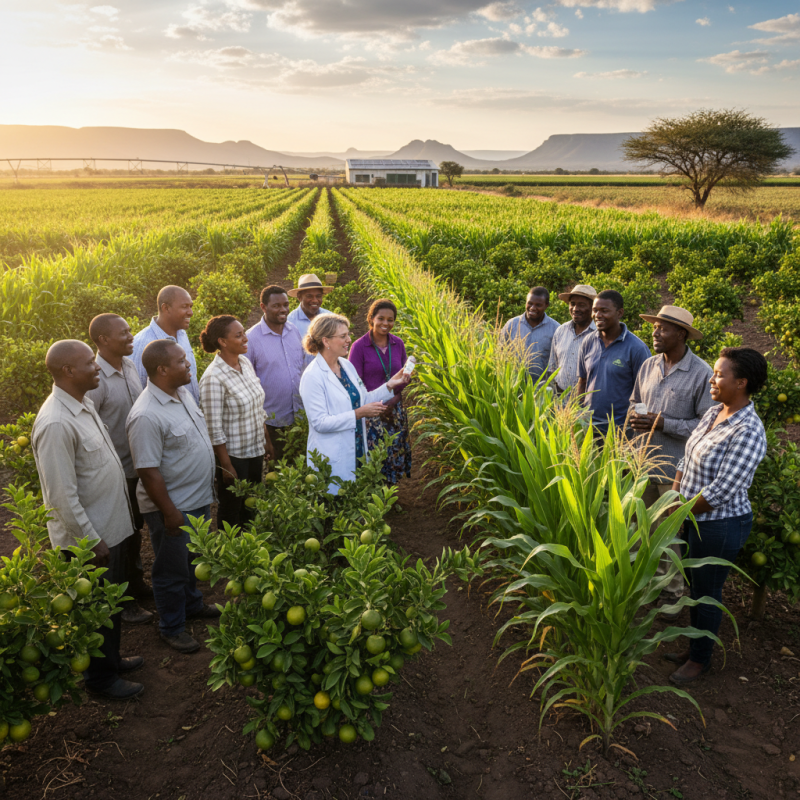
Gibberellic Acid: An Introduction to its Role in Agriculture
Gibberellic acid (GA) is a plant hormone that plays a crucial role in promoting growth and development in various agricultural practices. As a naturally occurring compound, it facilitates significant changes in plant physiology, such as stem elongation, seed germination, and flowering. Farmers in South Africa are increasingly adopting gibberellic acid for its ability to enhance crop yields and improve the overall health of their plants. Its application has shown remarkable effects in various crops, assisting in overcoming environmental stressors and ensuring optimal growth conditions.
In addition to stimulating growth, gibberellic acid helps to break dormancy in seeds, allowing for more uniform germination. This is particularly beneficial in regions with variable climates, where timing of planting can be critical. By regulating key processes such as flowering and fruit development, GA can lead to enhanced crop quality and higher marketability. Furthermore, its application can help mitigate the adverse effects of drought and poor soil conditions, making it an important tool for South African farmers aiming to maximize productivity in the face of agricultural challenges. The effective use of gibberellic acid not only supports sustainable farming practices but also contributes to food security in the region.
Understanding Crop Growth Challenges in South Africa
In South Africa, farmers face numerous challenges that hinder optimal crop growth. The diverse climatic conditions across the country result in varying levels of rainfall and temperature, which can adversely affect the health and yield of crops. Water scarcity is a pressing issue, especially in arid regions, leading to reduced soil moisture and impacting seed germination and plant development. Moreover, soil degradation and erosion further compromise the soil’s fertility, making it difficult for crops to thrive.
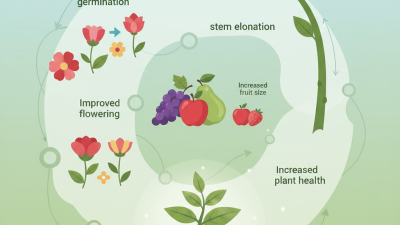
Understanding these challenges is crucial for developing effective agricultural practices. Farmers are increasingly turning to innovative solutions, such as the application of gibberellic acid, a plant hormone known for its role in promoting growth and development. By addressing the physiological aspects of crop growth, gibberellic acid can help mitigate some of the stressors caused by environmental factors. Its ability to enhance germination, elongation of stems, and overall vigor of plants provides farmers with an opportunity to improve their yields, even in less-than-favorable conditions. The integration of such growth regulators into farming practices could pave the way for more resilient agricultural systems in South Africa.
Top Benefits of Gibberellic Acid in South Africa for Enhanced Crop Growth
| Crop Type |
Benefits of Gibberellic Acid |
Growth Challenges |
Recommended Application Rate (g/ha) |
| Maize |
Increases seed germination and enhances cob size |
Drought stress and nutrient deficiencies |
15-20 |
| Wheat |
Promotes stem elongation and increases grain yield |
Cold temperatures and variable rainfall |
10-15 |
| Citrus |
Enhances fruit size and quality |
Pest infestations and water scarcity |
20-25 |
| Soybean |
Improves flowering and pod development |
Weed competition and soil erosion |
12-18 |
| Barley |
Enhances tillering and grain plumpness |
Disease pressure and poor soil fertility |
8-12 |
Key Benefits of Gibberellic Acid for Enhancing Crop Health
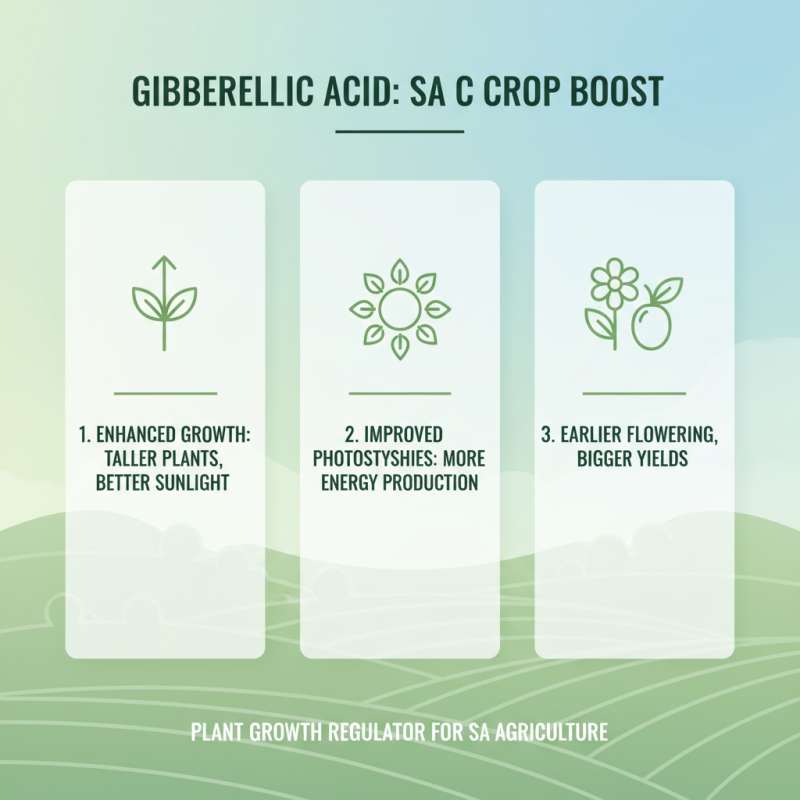
Gibberellic acid, a plant growth regulator, has gained significant attention in South Africa for its potential to enhance crop health. One of the most notable benefits is its ability to promote cell elongation and growth, leading to improved plant height and overall structure. This is particularly advantageous for crops that typically require a taller growth profile, enabling them to absorb more sunlight and enhance photosynthesis. Furthermore, the application of gibberellic acid can help in the early flowering of certain crops, resulting in longer fruiting duration and ultimately increased yield.
In addition to boosting growth, gibberellic acid plays a crucial role in overcoming environmental stress conditions. It has been shown to enhance seed germination rates and improve resilience against adverse weather conditions, which are common challenges in South Africa. This growth regulator can aid plants in coping with drought conditions, thereby ensuring better survival rates. Additionally, it contributes to the overall health of the crops by facilitating better nutrient uptake and stimulating metabolic processes, leading to improved vigor and vitality. As South African farmers continue to seek innovative ways to maximize their yields, the utilization of gibberellic acid represents a promising strategy for enhancing crop health and productivity.
Application Techniques of Gibberellic Acid in South African Farming
Gibberellic acid (GA) is increasingly recognized for its potential to enhance crop growth in South Africa. The effective application of GA can significantly improve plant development and productivity when used correctly. Farmers can utilize various techniques to incorporate gibberellic acid into their agricultural practices, optimizing its benefits for different types of crops.
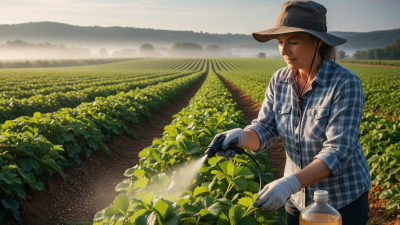
One common application method is through foliar spraying, where a diluted solution of gibberellic acid is applied directly onto the leaves. This technique allows for quick absorption by the plant, leading to enhanced germination rates and improved overall growth. Farmers must pay close attention to the timing of applications, as the ideal windows differ depending on the crop type and growth stage.
Additionally, soil drenching is another effective method wherein GA is mixed with water and applied to the soil, encouraging root development and water uptake, thus promoting healthier plant growth.
Moreover, the incorporation of gibberellic acid into hydroponic systems has also shown promising results. By integrating GA into nutrient solutions, farmers can enhance the growth rates of plants while ensuring they receive optimal nutrition. It is essential, however, for agriculturalists to follow precise dosage recommendations to avoid potential adverse effects.
By tailoring application techniques to fit specific crops and environmental conditions, South African farmers can fully harness the growth-enhancing properties of gibberellic acid, leading to improved yields and sustainable farming practices.
Case Studies: Successful Use of Gibberellic Acid in Local Agriculture
Gibberellic Acid (GA) has emerged as a transformative agent in South African agriculture, particularly for enhancing crop growth. Various case studies highlight its effectiveness across different crops, showcasing its role in overcoming climatic and soil-related challenges faced by local farmers. Research conducted by the South African Agricultural Research Council indicates that when applied to maize crops, GA can increase yields by up to 20%. This is particularly significant given the region’s sporadic rainfall and often suboptimal growing conditions, making such enhancements critical for food security.
In addition to maize, GA has been successfully used in the production of fruits like grapes and apples. Data from local agricultural practices reveal that the application of GA not only accelerates flowering and fruit set but also contributes to uniform fruit size and improved quality. For instance, a study published by the University of Pretoria demonstrated that grape growers applying GA saw a 15% increase in berry size and a notable improvement in sugar content, directly impacting marketability. Through these examples, it is clear that Gibberellic Acid plays a pivotal role in boosting agricultural productivity, offering South African farmers a valuable tool to mitigate environmental stresses and enhance crop performance.
Top Benefits of Gibberellic Acid in South Africa for Enhanced Crop Growth
This chart illustrates the impact of Gibberellic Acid (GA) on various crops in South Africa, highlighting the percentage of yield increase observed in case studies.