Best Bathroom Floor Drain Options for Your Home Installation?
Choosing the right Bathroom Floor Drain is crucial for maintaining a clean and functional space. A well-designed drain can prevent water buildup and unpleasant odors. With various options available, finding the best bathroom floor drain can feel overwhelming.
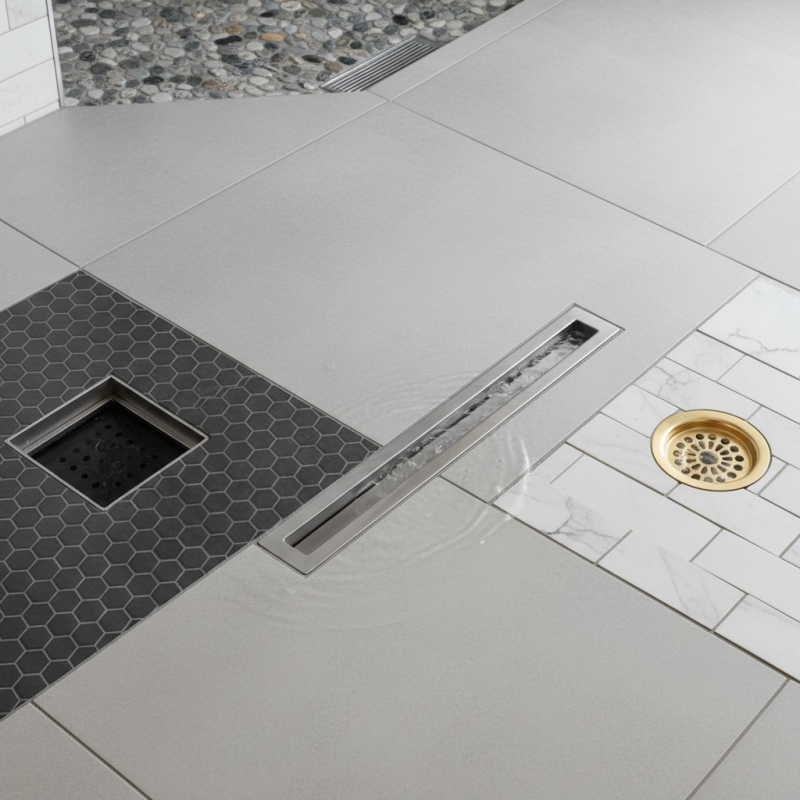
Understanding the features and benefits of different types is essential. Consider factors like material, size, and style. Each drain type serves a specific purpose, impacting both functionality and aesthetics. For instance, a linear drain can enhance water flow and fit seamlessly into modern designs.
It’s important to invest time in this decision. A poorly chosen drain may lead to leaks or clogs, causing headaches later. Taking the time to explore your options can result in better performance and longevity. By focusing on practical solutions, you can create a bathroom that meets both style and functionality needs.
Different Types of Bathroom Floor Drains Available for Home Use
When selecting bathroom floor drains, understanding the various types available is essential. Common options include linear drains, point drains, and trench drains. Linear drains offer a sleek look, making them suitable for large showers or open-concept spaces. According to a recent industry report, linear drains can improve water flow and reduce standing water by up to 30%. Point drains, often circular, are ideal for smaller bathrooms. They efficiently capture water around the shower area. Trench drains provide excellent drainage capacity and are becoming popular for modern, minimalist designs.
An important point to consider is proper installation. Misalignment can lead to water pooling, which defeats the purpose of a drain. Also, ensure that the chosen drain can handle the anticipated water volume. For example, high-flow areas like whirlpool tubs require drains rated for more significant discharge. Regular cleaning is vital, as debris can cause blockages. Install a trap for hair to minimize maintenance.
Remember, every space is unique. Choosing the right drain involves a balance between aesthetic appeal and functionality. Reflect on the size and design of your bathroom; this will guide your drain selection. Research shows that improper choices can lead to costly repairs later on, so take your time.
Key Features to Consider When Choosing a Bathroom Floor Drain
When selecting a bathroom floor drain, several key features should be prioritized. Drainage capacity is critical. Ensure the drain can handle water flow efficiently. This prevents water buildup and potential flooding in your bathroom. Look for options designed with larger openings or multiple drainage points.
Material choice is also vital. Stainless steel drains offer durability and resistance to rust. This material remains attractive over time. However, plastic drains are lightweight and cost-effective. They might not have the same longevity. Consider your budget and how long you plan to use the drain.
Tips: Always check the manufacturer's specifications. Installation can vary widely based on the model. Ensure it fits your existing plumbing. Regular maintenance is necessary to avoid clogging. Periodically clean the drain to prolong its life and maintain performance. Pay attention to the aesthetics as well. A well-chosen drain can complement your bathroom design. Evaluate the style to match your decor. Taking these factors into account can lead to a more satisfied choice. Consider potential challenges and visualize your ideal outcome.
Installation Methods for Various Bathroom Floor Drain Types
Choosing the right bathroom floor drain is crucial. Various types come with unique installation methods that can affect performance. Some drains use a simple insert method. You can slide them into the pre-cut opening. Other types, like linear drains, require more complex installations. They often need a slight slope to ensure proper water flow.
When installing a traditional round drain, ensure that the connections are secure. Use quality sealant for a watertight fit. Issues can arise if the drain is not level, leading to standing water. Always check the manufacturer's guidelines. For linear drains, plan the slope carefully. This may take some extra time but will pay off in the long run.
Don’t overlook the importance of regular maintenance. Clogs can happen, even with the best installation. Keep the drains clean by removing hair and debris regularly. An effective drainage system can make your bathroom experience much more pleasant. However, it's essential to question whether your installation techniques are up to scratch. Reflecting on your work can lead to improvements and a better result.
Maintenance Tips for Ensuring Your Floor Drain Functions Properly
Regular maintenance of your bathroom floor drain is crucial for its longevity and effectiveness. Start by checking for any visible debris or buildup. Hair, soap scum, and dirt can accumulate quickly. Use a drain strainer to catch debris before it falls into the drain. This simple tool can save you from larger clogs later.
Every few months, consider flushing the drain with hot water. This helps dissolve leftover soap and grease. You might also want to use a homemade cleaning solution, such as baking soda and vinegar. This combination can break down stubborn grime without harsh chemicals. After pouring the solution down the drain, let it sit for a while before rinsing with hot water.
It's also important to regularly inspect the area around your drain. Moisture can create problems, leading to mold or foul odors. If you notice anything unusual, address it immediately. Sealing any gaps around the drain can prevent water damage issues. Don't overlook these tasks; neglecting them can lead to costly repairs in the future.
Common Problems with Bathroom Floor Drains and How to Fix Them
Bathroom floor drains often face common issues that affect their functionality. One of the most frequent problems is clogging. Hair, soap scum, and debris accumulate in the drain over time. According to industry reports, over 70% of homeowners experience drainage problems due to clogs. Regular maintenance is essential to prevent these issues. Simple solutions, like using a drain strainer, can significantly reduce the amount of debris that enters the drain.
Another problem is unpleasant odors emanating from the drain. This can happen if the trap dries out or if there is a backup in the sewer line. A study by plumbing experts suggests that 30% of bathroom drain-related issues are linked to odor problems. Homeowners can mitigate this by pouring water down the drain regularly to maintain the trap seal. If odors persist, it might be an indicator of a more significant plumbing issue that requires professional intervention.
Leaks are another issue that can arise with bathroom floor drains. A leaking drain can lead to water damage and mold growth in surrounding areas. Data shows that approximately 20% of households deal with leaks from floor drains. Visual inspections and timely repairs are crucial. Homeowners should be vigilant about signs of moisture around the drain area, as early detection can save significant repair costs.
Common Problems with Bathroom Floor Drains and Their Frequency