site_4bbb466c-cafd-4edb-8869-71ed8e60d33a
Excellence in PGR technology
Choosing the right China supplier requires more than comparing prices. A dependable Screen Printing Binder should support strong adhesion, soft hand feel, color stability, and consistent curing. These qualities become visible on fabric, not in a sales brochure. A printed cotton panel may look excellent after curing, yet crack after washing. That small failure can damage an entire shipment.
Rick Roth, a respected screen-printing educator and author, has often emphasized, “Screen printing is a process of variables.” His observation remains practical for global buyers. Binder performance depends on fabric type, pigment loading, mesh count, curing temperature, and storage conditions. Reliable suppliers should provide technical data sheets, safety documentation, sample batches, and clear test methods. They should also explain whether the binder suits cotton, polyester, blends, or specialty textiles.
This guide examines leading Chinese suppliers through a buyer’s working lens. It considers formulation experience, laboratory control, production capacity, export communication, and after-sales support. A factory tour or online meeting can reveal useful details, such as sealed mixing tanks, labeled test swatches, and documented batch records. However, no supplier is perfect. Even experienced manufacturers may show variation between samples and mass production. That possibility deserves attention, not polite assumptions. Buyers should request independent wash testing and confirm curing requirements before placing large orders. Price matters, but repeatable performance matters more. The best supplier is not always the cheapest one. It is the partner that answers difficult questions clearly and corrects problems quickly.
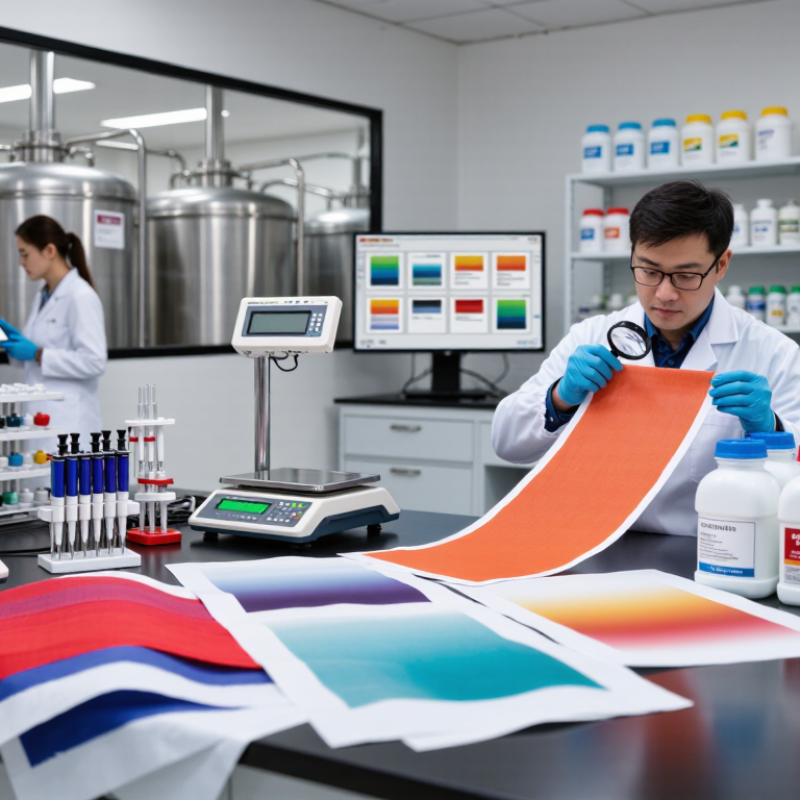
A screen printing binder is the polymer system that carries pigment and anchors it to fabric, paper, plastic, or metal. It influences adhesion, softness, stretch, wash resistance, gloss, and curing speed. Without a suitable binder, even strong color may crack after folding or fade after washing. Grand View Research estimated the global screen printing inks market at about USD 3.3 billion in 2023, with continued growth expected through 2030. That demand increases pressure on suppliers to offer stable, application-specific binder systems. Small details matter. A binder with excessive viscosity can clog mesh openings and leave rough edges.
For global buyers, supplier evaluation should begin with technical evidence, not a polished catalog. Request solids content, viscosity range, pH, minimum curing temperature, shelf life, and batch-to-batch test results. Smithers’ 2024 printing industry outlook highlights packaging and textile applications as important areas for print demand, where durability and regulatory documentation remain critical. In practice, test the binder on the actual substrate. Check wet rubbing, dry rubbing, washing, flexibility, and storage stability. A lower curing temperature may reduce energy use, but it can weaken adhesion if the film is under-cured. I have seen laboratory results look excellent while production samples behave differently. That gap deserves honest review. Suppliers with traceable quality records, clear safety documentation, and responsive technical support are usually safer choices for international purchasing.
China-made screen printing binders cover several practical formulations for textile and graphic applications. The right choice depends on fabric, curing equipment, softness, stretch, and wash resistance.
Acrylic binders are widely used for cotton prints because they offer balanced adhesion and color stability. Many dry at moderate temperatures and support smooth hand-feel finishes.
Polyurethane binders provide stronger flexibility and abrasion resistance, especially on sportswear and elastic fabrics. They can reduce cracking when garments stretch during use.
Silicone binders create a softer, smoother touch, but their processing window can be less forgiving. Use them carefully.
Water-based systems are also common, with lower odor and easier workplace handling than solvent-heavy alternatives. This matters.
From practical sampling, buyers should request viscosity, solids content, curing temperature, and storage-life data. A supplier should provide current SDS, technical data sheets, and batch-based COA documents.
Testing on the actual fabric is essential, since a binder can perform well in a laboratory and disappoint on a production line. I have seen promising samples fail after repeated washing because curing was incomplete. That weakness deserves attention.
Ask for migration, formaldehyde, restricted-substance, and APEO-related test evidence where applicable. Small pilot runs reveal more than polished sample cards.
Choosing China-based screen printing binder suppliers requires more than comparing prices. Global market reports indicate steady demand for textile and industrial printing, while buyers increasingly request lower-VOC chemistry and traceable production. Smithers’ screen printing industry analysis highlights sustainability and process consistency as major purchasing factors. These priorities should shape your supplier audit.
Ask for a current technical data sheet, safety data sheet, batch certificate, and sample retention policy. A reliable manufacturer should explain solids content, viscosity, curing temperature, shelf life, and compatibility with cotton or synthetic fabrics. Request three production samples from different batches. Then test them under your actual curing conditions. A smooth sample can still fail after washing.
Look closely at quality systems. ISO 9001 certification is useful, but it does not replace factory verification. Review calibration records, incoming-material controls, complaint handling, and corrective-action reports. The supplier should provide measurable limits, not vague promises. Check whether laboratory testing follows recognized methods for wash fastness, abrasion, and formaldehyde. OEKO-TEX-related requirements may also matter for apparel exports.
Do not ignore communication. Slow technical replies often signal weak after-sales support. A clear supplier should identify the responsible engineer and explain lead times during peak seasons. Yet no audit is perfect. I have seen attractive trial results hide poor viscosity control in later batches. A smaller initial order, sealed retention samples, and written acceptance criteria reduce that risk. Pricing deserves scrutiny. A very low quote may exclude testing, packaging, or compliance documents.
Global buyers should assess screen printing binder suppliers through documented quality systems, not attractive samples alone. The ISO Survey 2022 recorded more than 1.26 million ISO 9001 certificates worldwide, but certification does not guarantee consistent binder performance. Request the certificate scope, audit date, and manufacturing site. Then compare viscosity, solids content, curing temperature, wash durability, and batch-to-batch test records.
Product compliance needs equal attention. A reliable supplier should provide a current Safety Data Sheet, Certificate of Analysis, restricted-substance declaration, and full traceability from raw materials to packed cartons. For textile applications, ask whether testing covers formaldehyde, heavy metals, APEOs, and other substances restricted by destination markets. OEKO-TEX guidance is useful, but buyers should verify whether the certificate covers the binder, printed fabric, or finished article. These are different things.
Export capability appears in small details. Suppliers should explain UN transport classification, moisture protection, shelf life, pallet loading, and temperature limits during sea freight. The ITMF Global Textile Industry Survey has repeatedly identified supply-chain uncertainty as a major operational concern, so backup production and clear lead times matter. A supplier familiar with REACH documentation can reduce border delays, though compliance remains the importer’s responsibility. Ask for third-party laboratory reports, not only internal claims. One weakness remains common: some factories share excellent pilot results but weak long-term data. A practical trial using three production batches is safer than trusting one successful sample.
Choosing a screen printing binder supplier requires more than comparing prices. Buyers should request recent technical data, safety documents, and production samples. Check viscosity, solid content, curing temperature, adhesion, and wash durability. These details affect printing quality on cotton, polyester, and blended fabrics.
Ask for a small trial batch before approving large orders. Print it under your actual mesh, ink formula, drying time, and fabric conditions. A supplier may provide excellent laboratory results, yet behave differently on a busy production line. That gap matters. Confirm batch traceability, storage conditions, shelf life, and packaging strength. Clear records show whether the supplier manages quality consistently.
Communication also deserves careful testing. Reliable suppliers answer technical questions with measured data, not vague promises. Review their quality procedures, export experience, and ability to provide consistent documentation for your destination market. Independent testing can support claims about restricted substances and product safety, where applicable. No checklist is perfect. I would still keep written trial results, because memory becomes unreliable after several shipments. Price remains important, but unstable viscosity or delayed responses can create higher costs through rework, waste, and missed delivery windows. A capable supplier should discuss these risks openly and accept reasonable improvements.
| Cookie | Duration | Description |
|---|---|---|
| _wpfuuid | 11 years | This cookie is used by the WPForms WordPress plugin. The cookie is used to allows the paid version of the plugin to connect entries by the same user and is used for some additional features like the Form Abandonment addon. |
| cookielawinfo-checkbox-analytics | 11 months | This cookie is set by GDPR Cookie Consent plugin. The cookie is used to store the user consent for the cookies in the category "Analytics". |
| cookielawinfo-checkbox-functional | 11 months | The cookie is set by GDPR cookie consent to record the user consent for the cookies in the category "Functional". |
| cookielawinfo-checkbox-necessary | 11 months | This cookie is set by GDPR Cookie Consent plugin. The cookies is used to store the user consent for the cookies in the category "Necessary". |
| cookielawinfo-checkbox-others | 11 months | This cookie is set by GDPR Cookie Consent plugin. The cookie is used to store the user consent for the cookies in the category "Other. |
| cookielawinfo-checkbox-performance | 11 months | This cookie is set by GDPR Cookie Consent plugin. The cookie is used to store the user consent for the cookies in the category "Performance". |
| viewed_cookie_policy | 11 months | The cookie is set by the GDPR Cookie Consent plugin and is used to store whether or not user has consented to the use of cookies. It does not store any personal data. |
| Cookie | Duration | Description |
|---|---|---|
| CONSENT | 2 years | YouTube sets this cookie via embedded youtube-videos and registers anonymous statistical data. |
| vuid | 2 years | Vimeo installs this cookie to collect tracking information by setting a unique ID to embed videos to the website. |