China Top Woven Sack Bags Manufacturers for Global Buyers
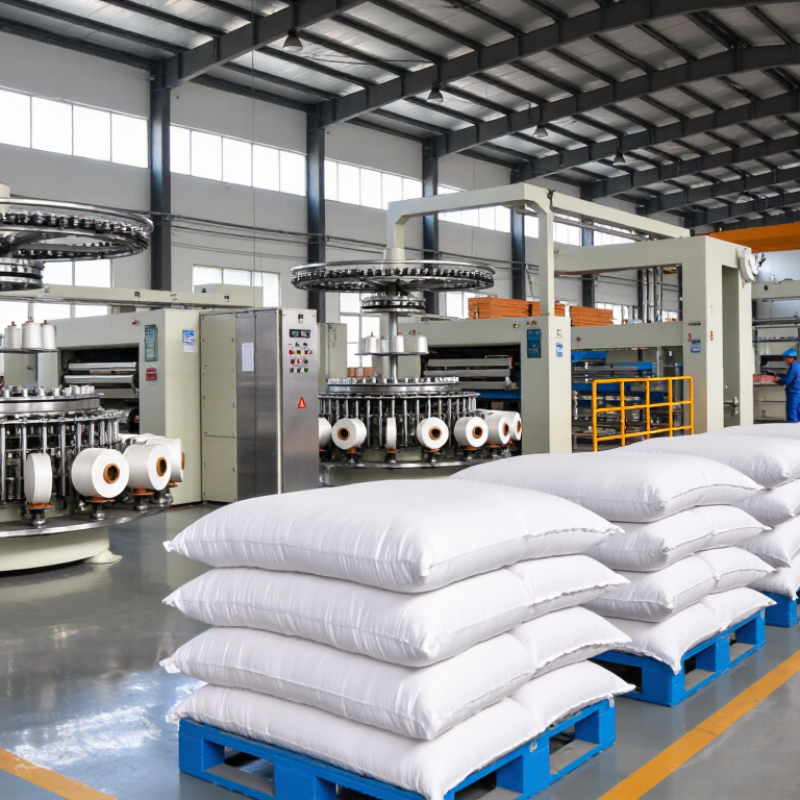
China has become a major sourcing base for Woven Sack Bags used in agriculture, food ingredients, chemicals, minerals, and construction materials. Its manufacturing clusters combine polypropylene extrusion, circular weaving, lamination, printing, cutting, and automatic stitching. A finished 25-kilogram rice bag may pass through several controlled production stages before shipment.
The demand is measurable. Smithers’ The Future of Global Packaging to 2029 identifies flexible packaging as a continuing growth area, supported by lightweight transport and material efficiency. Grand View Research also reports expanding demand for woven polypropylene packaging across agricultural and industrial applications. However, market estimates differ because analysts classify woven sacks under different packaging categories. That difference deserves attention.
For global buyers, supplier selection should go beyond catalog photos. Review resin specifications, fabric grammage, seam strength, UV resistance, valve performance, and test records. Confirm whether production follows ISO 9001, food-contact requirements, or destination-market standards. Factory audits can reveal practical details, such as dusty weaving floors, inconsistent bag dimensions, or weak pallet protection.
Details matter.
Leading Chinese manufacturers often support custom sizes, coated surfaces, block-bottom designs, liner insertion, and rotogravure printing. Yet “top” should not mean the cheapest quotation. A low price may reflect thinner fabric, recycled input, or limited quality control. Buyers should compare samples, third-party inspection results, production capacity, lead times, and corrective-action history. No supplier is perfect. Even experienced exporters can overlook moisture protection during ocean transport. This guide evaluates China’s leading manufacturers through capability, reliability, compliance awareness, and documented performance, helping buyers make a more defensible sourcing decision.
Woven Sack Bags: Types, Materials, and Common Applications
Woven sack bags are made by weaving flat plastic tapes into a strong fabric. The common choices are polypropylene and high-density polyethylene. Polypropylene feels lighter and handles regular impact well. HDPE can offer useful stiffness and moisture resistance. Each material behaves differently under heat, sunlight, and repeated handling.
Bag types should match the filling process. Open-mouth sacks suit rice, animal feed, and building materials. Valve sacks support faster filling and cleaner closure. Laminated sacks add a thin protective layer against moisture and dust. BOPP-laminated bags also provide sharper printed graphics. Some products use woven fabric without lamination, allowing better airflow. That choice can be practical, but it may reduce protection in humid storage.
Applications range from grain and flour packaging to seed, mineral powder, and garden soil. Export buyers should check seam strength, bag dimensions, loading weight, and pallet performance. A sack that survives filling may still fail during a long sea journey. Factory inspections should review tape width, fabric density, stitching, and drop-test results. Food-related packaging also needs suitable material declarations and migration testing for the target market. Printing quality matters, but it should never hide weak construction. In real purchasing work, the cheapest option often creates replacement costs. A perfect specification is rare; storage conditions and handling habits can change the result. Sample testing remains wiser than relying on photographs or promises.
China’s Woven Sack Manufacturing Industry and Key Production Regions
China’s woven sack manufacturing industry serves agriculture, construction, food processing, chemicals, and logistics. Most factories use polypropylene or polyethylene tapes, circular looms, coating lines, and computerized stitching equipment. Production often includes printing, inner lining, valve fitting, and palletized packing.
Shandong and Jiangsu are important production regions, supported by strong industrial networks and efficient transport systems. Zhejiang is known for flexible packaging workshops and responsive custom orders.
Guangdong benefits from export infrastructure, port access, and experienced overseas sales teams. Hebei also has many manufacturers serving grain, fertilizer, and building-material markets.
Factory capability can differ sharply between nearby suppliers. Some plants maintain clean testing rooms, while others rely mainly on visual inspection. That difference matters.
Experienced buyers should request fabric samples, seam-strength records, moisture tests, and recent production photos.
A site audit can reveal storage problems that paperwork misses.
Tips:
Confirm bag dimensions, fabric weight, liner type, printing colors, and loading method before ordering. Ask how recycled content is controlled, if relevant to your application. Compare samples from different regions under the same test conditions. Small details, such as loose stitching or uneven coating, may become expensive problems during transport. Always verify the supplier’s actual production capacity, not only its catalog.
How to Evaluate China’s Top Woven Sack Bag Manufacturers
How to Evaluate China’s Top Woven Sack Bag Manufacturers
Choosing a woven sack supplier requires more than comparing unit prices. A 2024 global market report estimates that woven sack demand may grow by about 5% annually through 2030. This reflects rising needs in agriculture, building materials, minerals, and food logistics. However, market growth does not guarantee consistent quality. Ask manufacturers for production records, factory audit results, and recent test reports. Check fabric weight, tensile strength, seam performance, print clarity, and moisture resistance. A reliable supplier should explain each specification clearly.
Experience becomes visible in small details. Inspect sample bags after filling them with realistic loads. Drag one across a rough warehouse floor. Check whether the stitching loosens or the corners split. Request a batch sample, not only a showroom sample. Independent packaging research published in 2023 found that poor closure design and inconsistent material thickness remain common causes of transport loss. This point deserves attention. A lower quotation can become expensive after leakage, rejected shipments, or repacking. I would also question any supplier promising perfect results without discussing testing limits.
Tips: Compare at least three factories using the same specification sheet. Verify factory capacity, quality-control steps, and export experience. Request test data from an accredited laboratory when the sacks carry food or heavy materials. Confirm lead times in writing. Small omissions often create large delays. Keep communication records, because assumptions are difficult to measure.
Quality Standards, Customization, and Export Compliance
China Top Woven Sack Bags Manufacturers for Global Buyers
Reliable woven sack production starts with measurable quality standards. Experienced manufacturers check fabric weight, tensile strength, seam strength, and drop resistance. Each batch should receive inspection records, not only visual approval. A 25 kg agricultural sack may need different strength from a 50 kg construction bag. Lamination, liner choice, valve design, and moisture resistance must match the product and transport conditions. Small details matter.
Customization should serve performance, not decoration alone. Buyers can specify sack dimensions, printing colors, closure styles, handle designs, and stacking requirements. Clear drawings reduce production mistakes. Samples should be tested before mass production. This step takes time. It can prevent costly claims later. A realistic supplier also explains production limits instead of promising every requested feature. Some designs look effective but weaken the seams.
Export compliance requires destination-specific verification. Suppliers should support commercial invoices, packing lists, certificates of origin, and inspection documents when required. Food or pharmaceutical packaging may need additional material declarations and migration testing. Rules differ between markets, so buyers should confirm current requirements with local authorities or qualified customs professionals. Packaging labels, pallet treatment, and container loading also deserve attention. In practice, even careful factories can miss a minor document detail. Regular pre-shipment checks and written approval procedures improve reliability.
Ordering, Shipping, and Supplier Management for Global Buyers
For global buyers, ordering woven sack bags from China starts with a precise specification sheet. State the bag size, fabric weight, valve style, printing colors, stitching method, and loading requirements. Request a physical sample before approving mass production. A sample can reveal weak seams, uneven coating, or unclear printing. Small details matter.
Ask suppliers for a production schedule with approval, manufacturing, inspection, and packing dates. Confirm the minimum order quantity and payment milestones in writing. Use clear shipping terms, such as FOB or CIF, and verify which party handles export documents. Before loading, check bag counts, carton marks, pallet strength, and container space. Moisture protection is essential during ocean transport. A plastic liner may help, but it should not replace proper storage.
Supplier management needs regular evidence, not polite promises. Request material records, production photos, and inspection reports at agreed stages. An independent inspection can check dimensions, seam strength, weight tolerance, and print accuracy. Keep one approved sample for comparison after delivery. Communication can still fail when technical words are translated poorly. Use drawings, photos, and numbered specifications. Do not change artwork casually. A late revision may affect production and shipping dates. One practical lesson is uncomfortable: the cheapest quotation can create higher costs through rework, delays, and rejected goods. Build a backup supplier list, even when the first order seems successful.
