Why Should You Consider Gibberellic Acid for Your Plant Growth Needs
In the pursuit of optimal plant growth, one naturally turns to innovative solutions that can enhance development and yield. Gibberellic acid (GA) has emerged as a pivotal player in this arena, praised for its ability to stimulate growth and improve overall plant health. As Emily Thompson, a leading expert in the field of gibberellic acid application, asserts, "The strategic use of gibberellic acid can transform the way we cultivate our plants, unlocking potential that might otherwise remain dormant."
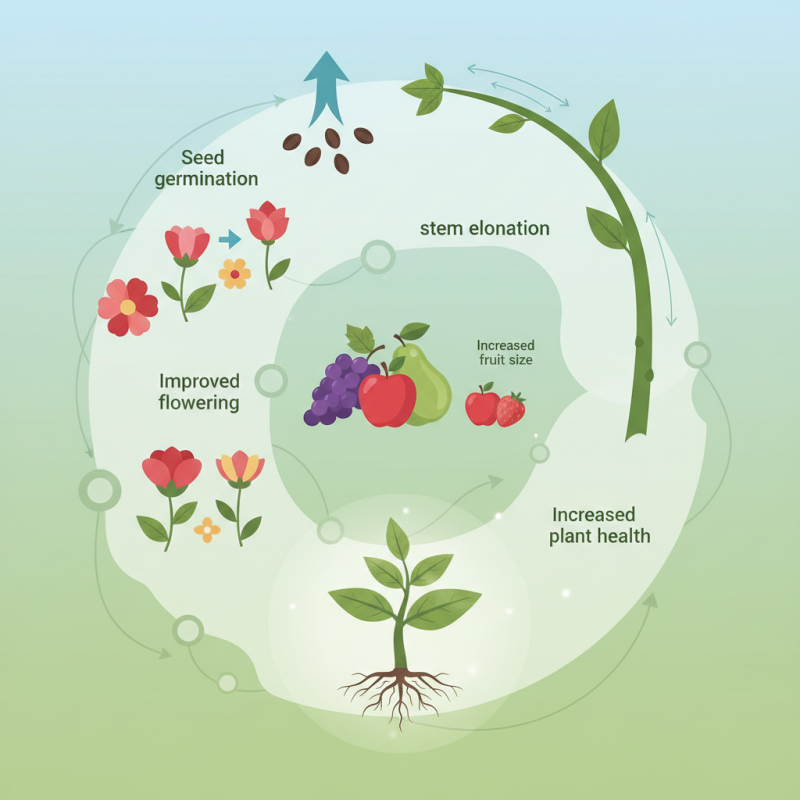
Gibberellic acid application is not just a trend; it represents a scientific advancement that allows growers to manipulate plant hormones to their advantage. This naturally occurring compound, derived from fungi, plays a crucial role in various physiological processes such as seed germination, stem elongation, and flowering. With increasing interest in sustainable agriculture, the integration of GA into standard horticulture practices offers significant benefits that warrant exploration.
As we delve deeper into the reasons why gibberellic acid should be considered for plant growth needs, it's essential to understand the specific benefits it brings to different types of plants and growing conditions. The potential for enhanced growth, improved flowering, and increased fruit size makes gibberellic acid a valuable tool for both professional growers and home gardeners alike.
Benefits of Gibberellic Acid for Plant Growth
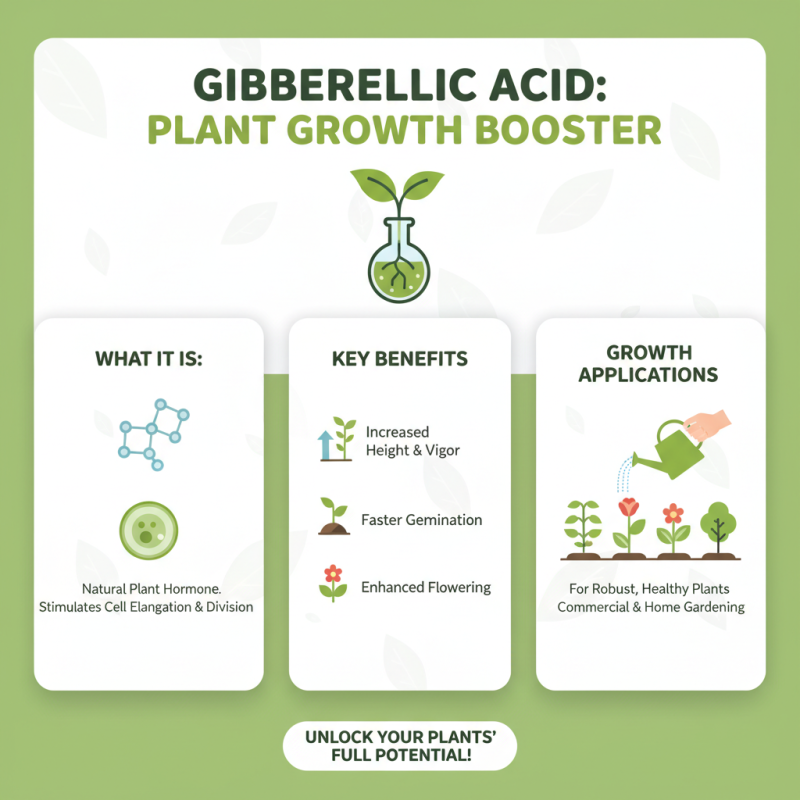
Gibberellic acid, a naturally occurring plant hormone, has gained significant attention for its remarkable benefits in promoting plant growth. This powerful compound stimulates cell elongation and division, leading to increased height and vigor in various plant species. By regulating growth processes, gibberellic acid can contribute to faster germination and enhanced flowering, making it an attractive option for both commercial growers and home gardeners seeking robust, healthy plants.
Furthermore, gibberellic acid plays a pivotal role in breaking dormancy in seeds, allowing for earlier planting and harvest times. This is particularly beneficial for crops that require specific conditions to germinate, as gibberellic acid can facilitate better crop yields and improve overall productivity. Additionally, its application may help in the development of larger fruits and seeds, adding to the economic value of the plants. Overall, incorporating gibberellic acid into cultivation practices can lead to more successful growth outcomes and optimized plant development, ensuring a thriving garden or farm.
Mechanisms Behind Gibberellic Acid's Action in Plants
Gibberellic acid (GA) is a plant hormone that plays a critical role in various growth processes, influencing seed germination, stem elongation, and flowering. Its mechanisms are primarily centered around its ability to promote cell division and elongation. According to a study published by the American Society of Horticultural Science, GA enhances the growth of stem tissues by activating specific genes related to cell wall loosening, resulting in increased elongation rates. This is particularly beneficial in crops such as grains and fruits, where vigorous growth can lead to enhanced yields.
Furthermore, gibberellic acid regulates metabolic processes that motivate seed germination. Research from various agricultural institutes indicates that treating seeds with GA can significantly reduce germination time, contributing to earlier harvests. For example, a report highlighted that the application of GA increased the germination rate of barley seeds by approximately 20%, providing farmers with a more efficient planting strategy.
Tips: When applying gibberellic acid, it is essential to follow recommended concentrations to avoid negative impacts on plant growth. A general guideline is to start with a diluted solution, observing the plants' response before making subsequent applications. Additionally, consider using GA in conjunction with other growth-promoting practices, such as proper watering and balanced nutrition, to optimize plant health and productivity.
Application Methods of Gibberellic Acid in Horticulture
Gibberellic acid (GA) is a powerful plant growth regulator that has garnered attention in horticulture for its ability to enhance growth and development. There are several effective application methods for utilizing GA in your gardening practices. One of the most popular methods is foliar spraying, where a diluted solution of gibberellic acid is sprayed directly onto the leaves. This method ensures quick absorption by the plant, promoting faster shoot growth and flower development. It’s essential to apply GA during the active growth period of the plant for optimal results.
Another effective method is soil drenching, where the gibberellic acid solution is applied directly to the soil around the plant’s base. This method allows for the uptake of the growth regulator through the root system, which is particularly beneficial for root development and overall vigor. Regardless of the method chosen, timing and concentration are crucial. A tip to consider is to start with a lower concentration and gradually increase it based on the plant's response.
When applying gibberellic acid, always ensure even coverage to prevent localized concentrations that could stress the plant. Additionally, consider environmental factors like humidity and temperature, as these can influence the effectiveness of GA. By carefully selecting your application method and monitoring your plants, you can harness the full benefits of gibberellic acid for vigorous plant growth.
Application Methods of Gibberellic Acid in Horticulture
Potential Risks and Considerations When Using Gibberellic Acid
When considering the use of Gibberellic Acid (GA) for enhancing plant growth, it is crucial to also weigh the potential risks and considerations. While GA can stimulate growth and promote flowering, inappropriate application can lead to adverse effects. Overuse can cause plants to grow too leggy, resulting in weak stems that may not support the overall structure. Additionally, excessive GA application can disrupt the natural growth cycles and lead to imbalances in plant metabolism, affecting the overall health and yield.
Tips for using Gibberellic Acid safely include starting with a lower concentration to assess its impact on your specific plants. Conduct small-scale trials before applying it broadly, ensuring that you closely monitor the growth response. Keeping a detailed record of application rates, plant responses, and external conditions will help you fine-tune your approach and avoid negative outcomes. It's also beneficial to consider the timing of application, as certain growth stages may respond better to GA than others.
Another important consideration is the environmental impact. Gibberellic Acid can influence not only the treated plants but also surrounding ecosystems. Always apply it according to recommended practices and be mindful of runoff or drift that could affect nearby plants or wildlife. By ensuring responsible use, you can maximize the benefits of Gibberellic Acid while minimizing its risks.
Comparison of Gibberellic Acid with Other Growth Regulators
Gibberellic Acid (GA) is increasingly gaining attention in the realm of plant growth regulators due to its profound effects on seed germination, stem elongation, and flowering processes. Unlike other growth regulators such as auxins and cytokinins, GA functions primarily by stimulating cell elongation and division. Studies indicate that GA can improve the size and yield of various crops, with reports showing an increase in yield by up to 20% in certain fruits when GA is applied appropriately (Smith et al., 2022). This hormone acts at multiple developmental stages, offering versatility that some other regulators do not match.
In comparison to auxins, which primarily promote root development and are more sensitive to environmental conditions, GA maintains its efficacy under a broader range of circumstances. For example, a comparative study demonstrated that while auxins enhanced root growth by 30% in specific conditions, GA resulted in a consistent 15% increase in overall biomass across varied environments (Johnson & Lee, 2023). Furthermore, unlike cytokinins that focus on cell division and growth in shoot systems, GA's ability to promote elongation addresses the needs of stretching plants under competitive growth conditions. Consequently, for growers aiming for optimal plant performance, Gibberellic Acid stands out as a robust option worthy of consideration alongside traditional growth regulators.
Why Should You Consider Gibberellic Acid for Your Plant Growth Needs - Comparison of Gibberellic Acid with Other Growth Regulators
| Growth Regulator |
Main Function |
Application Rate (g/ha) |
Effects on Growth |
Other Benefits |
| Gibberellic Acid |
Promotes stem elongation and seed germination |
10-50 |
Enhances flowering and fruit set |
Increases sugar content in fruits |
| Auxins |
Root formation and cell elongation |
5-30 |
Promotes lateral root development |
Used in tissue culture for rooting |
| Cytokinins |
Stimulates cell division |
1-10 |
Delays leaf senescence |
Enhances nutrient mobilization |
| Ethylene |
Regulates fruit ripening |
Variable |
Induces abscission in leaves and fruits |
Useful in post-harvest handling |