Gibberellic Acid Uses in Agriculture and Horticulture?
Gibberellic acid uses have gained significant attention in agriculture and horticulture. This plant hormone is crucial for promoting growth and development in various crops. According to a report by the International Society for Horticultural Science, gibberellic acid increases fruit size, improves crop yield, and enhances flowering processes. Farmers are increasingly using this compound to optimize production.
Research indicates that gibberellic acid can increase germination rates and break seed dormancy. A study published in the Journal of Agricultural Science found that certain fruit crops experienced a 20% increase in yield when treated with gibberellic acid. These applications illustrate its vital role in modern farming practices. However, inconsistent results in different environmental conditions remind us of its limitations.
Despite its advantages, not all applications yield positive results. Some crops may show undesirable growth patterns when treated excessively. This variability highlights the need for careful application and further research. As the agricultural community continues to explore gibberellic acid uses, awareness of its potential and challenges remains imperative.
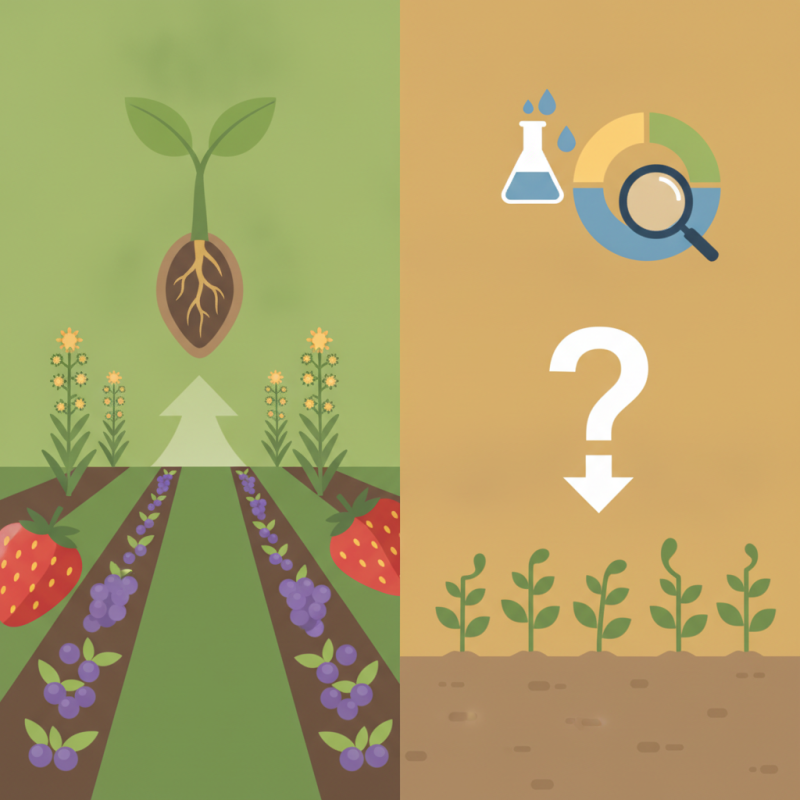
Gibberellic Acid: An Overview of Its Role in Agriculture and Horticulture
Gibberellic acid (GA3) plays an essential role in agriculture and horticulture. This plant hormone influences growth and development in diverse ways. Its applications are notable; from promoting seed germination to enhancing fruit size, it helps optimize crop yield. Farmers and horticulturists utilize GA3 to improve overall plant health and productivity.
In strawberries, gibberellic acid can lead to larger fruits and prolonged harvest periods. It interrupts dormancy in bulbs, facilitating earlier flowering. However, its use requires careful consideration. Over-application may lead to excessive growth and poor plant quality.
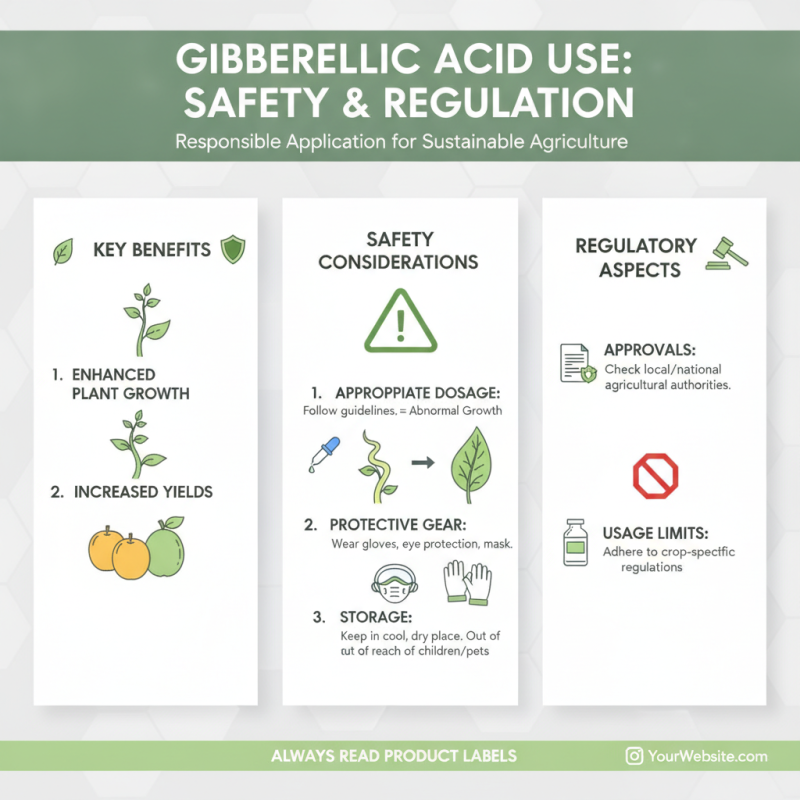
Tips for using gibberellic acid effectively: Monitor the concentration closely. Dilute it properly before application. Always test on a small section before scaling up. Too much can harm the plants, while too little might not yield substantial benefits. Understanding the timing of application can also enhance results. Aim to align treatments with growth stages for optimal impact.
Gibberellic Acid Applications in Agriculture and Horticulture
Mechanisms of Action: How Gibberellic Acid Affects Plant Growth
Gibberellic acid (GA3) plays a vital role in promoting plant growth. Research shows that GA3 affects key physiological processes. It influences seed germination by breaking dormancy. This is particularly beneficial for crops like barley and wheat, where germination rates can improve by up to 30% with appropriate GA3 application.
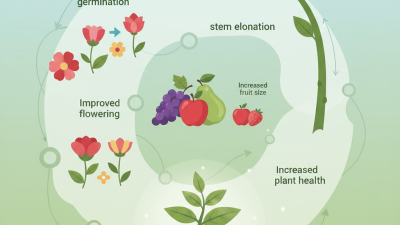
Moreover, gibberellic acid stimulates stem elongation and leaf expansion. This growth hormone encourages cellular division and elongation. A study indicated that using GA3 can increase the height of some fruit trees by nearly 15%. This is crucial for orchard management, as taller trees yield more fruit. However, over-application can lead to weaker plants, making it essential to monitor dosages closely.
Additionally, GA3 is effective in improving flowering and fruit set. Certain flowers and crops may experience enhanced flowering rates. A report suggests that tomatoes treated with GA3 had a 20% increase in fruit yield. Yet, inconsistent results can occur based on plant species and environmental conditions. Continued research is necessary to optimize GA3 use in varied horticultural practices.
Gibberellic Acid Uses in Agriculture and Horticulture
| Application Area |
Use Case |
Mechanism of Action |
Effects on Growth |
| Fruit Trees |
Enhancing fruit size and quality |
Stimulates cell elongation and division |
Larger fruits with better taste |
| Grains |
Promoting seed germination |
Breaks seed dormancy |
Improved germination rates and early growth |
| Vegetables |
Increasing stem elongation |
Inhibits the synthesis of growth inhibitors |
Stronger and taller plants |
| Flowers |
Enhancing flowering and fruit set |
Promotes flowering through hormonal changes |
More abundant flowers and fruits |
| Turf Management |
Promoting rapid vertical growth |
Increases leaf area and tillering |
Denser and healthier turf |
Common Applications of Gibberellic Acid in Crop Production
Gibberellic Acid (GA3) has gained attention in agriculture for its remarkable effects on plant growth. This natural plant hormone is widely used to enhance crop yield and quality. In crop production, GA3 influences various developmental processes, including seed germination, flowering, and fruit maturation. Research indicates that it can increase yield by up to 30% for some crops, such as barley and grapes.
One common application of GA3 is in the treatment of seeds. Soaking seeds in a GA3 solution can enhance germination rates, leading to quicker and more uniform sprouting. Additionally, in fruit crops like apples, GA3 is used to increase fruit size and improve coloration. In a study, fruit treated with GA3 reached 20% larger sizes compared to untreated fruits.
Tips: Apply GA3 at the recommended concentrations, as higher doses can lead to unexpected growth patterns. Monitor environmental conditions closely; excessive humidity may affect hormone efficacy. Always assess individual crop responses, as not all plants react the same way to GA3 applications. Over time, as farmers gain experience, they should adjust their methods based on specific crop needs and local conditions.
Benefits of Gibberellic Acid in Horticultural Practices
Gibberellic acid is a natural plant hormone that has gained prominence in horticultural practices. Its usage leads to increased growth and development in various plants. This compound stimulates cell elongation, impacting height and yield significantly. Many growers appreciate its effects on germination rates. Seeds treated with gibberellic acid often sprout faster, yielding healthier seedlings.
The benefits extend to fruit production as well. Trees treated with gibberellic acid produce larger and more uniform fruits. This leads to higher market value, which is crucial for commercial growers. Moreover, it can enhance flowering, promoting better fruit set. However, overapplication can lead to undesirable results, such as excessive vegetative growth, impacting fruit quality.
Experiences shared by growers highlight the importance of careful application. Individual plant responses may vary, leading to challenges in consistent outcomes. It is essential to monitor the effects closely and adjust usage based on specific conditions. Achieving the right balance of gibberellic acid can optimize results, but it requires knowledge and experience to master effectively.