How Gibberellic Acid Boosts Plant Growth: Benefits and Application Tips
Gibberellic acid, a powerful plant hormone, plays a crucial role in enhancing growth and development in various plant species. Widely studied for its impact on seed germination, stem elongation, and flowering, gibberellic acid for plant growth has become a focal point for agricultural scientists and horticulturists alike. Dr. Sarah Thompson, a recognized expert in plant physiology, highlights its importance by stating, “The application of gibberellic acid can significantly improve crop yield and quality, making it an invaluable tool for modern agriculture.”
As farmers and gardeners seek sustainable solutions to increase productivity and manage plant health, understanding the mechanisms behind gibberellic acid and its application techniques is essential. This introduction delves into the multifaceted benefits of gibberellic acid and provides practical tips for its successful utilization. By exploring the science behind this remarkable growth regulator, we can better appreciate its transformative potential in both commercial agriculture and home gardening. Through the right application of gibberellic acid, we can unlock new levels of plant growth and vitality, fostering healthier ecosystems and bountiful harvests.

What is Gibberellic Acid and Its Role in Plant Growth
Gibberellic acid (GA) is a plant hormone that plays a significant role in regulating various developmental processes, including seed germination, stem elongation, and flowering. Its discovery dates back to the 1930s and has since become a vital component in agricultural practices. GA promotes growth by enhancing cell elongation and division, which leads to taller and more vigorous plants. This hormone is particularly beneficial for crops that tend to be short or bushy, as it encourages vertical growth, ultimately improving yield and quality.
When using gibberellic acid, it's essential to follow certain tips for effective application. First, it is crucial to apply GA at the right developmental stage of the plant; for most crops, this is during the early growth phases. Second, consider the concentration of GA used, as different plants may require varying amounts for optimal results. Overapplication can lead to excessive elongation or weak stems. Finally, ensure that the applications are done when environmental conditions are favorable, such as during cooler parts of the day, to minimize stress on the plants.
Incorporating GA into your gardening or farming techniques can significantly influence plant health and growth. Understanding its role and application methods can help you achieve successful results in your cultivation efforts, leading to healthier and more productive plants.
Effects of Gibberellic Acid on Plant Growth
This chart illustrates the average height increase of plants treated with different concentrations of Gibberellic Acid (GA3) over a 4-week period. The data shows a positive correlation between GA3 concentration and plant height.
Key Benefits of Using Gibberellic Acid in Horticulture
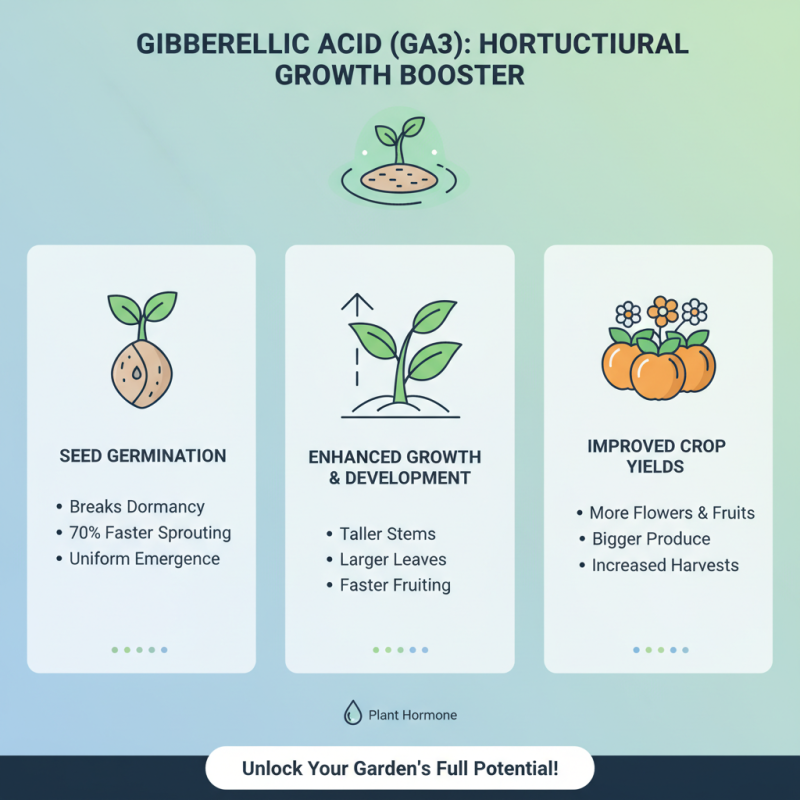
Gibberellic acid (GA3) is a plant hormone known for its remarkable ability to enhance growth and development in various horticultural applications. One of the primary benefits is its role in promoting seed germination. Research indicates that GA3 can significantly increase germination rates, with studies showing up to a 70% improvement under optimal conditions. This hormone breaks dormancy in seeds, allowing them to sprout faster and more uniformly, which is crucial for maximizing crop yields.
In addition to aiding germination, gibberellic acid contributes to stem elongation and leaf expansion. Reports suggest that applications of GA3 can lead to a 30-50% increase in plant height, which is beneficial for crops such as grapes and tomatoes where vertical growth is desirable. Furthermore, GA3 helps in delaying senescence, or aging, of plant tissues, allowing for a longer harvest period and ultimately enhancing overall productivity. A 2022 study published in the Journal of Horticultural Science found that the application of gibberellic acid not only increased the size and quality of fruits but also improved their marketability, proving vital for commercial growers.
Proper application techniques are essential for realizing the full benefits of gibberellic acid in horticulture. Recommended methods include foliar spraying at specific growth stages or soil drenching, depending on the crop type. It is important to adhere to recommended concentrations, ensuring plants receive the right dosage for optimal growth without adverse effects. By integrating GA3 into horticultural practices thoughtfully, growers can achieve significant enhancements in plant development and crop quality.
How to Properly Apply Gibberellic Acid for Optimal Results
Gibberellic acid (GA3) is a powerful plant growth regulator that stimulates various physiological processes to enhance growth and yield. For optimal application, it's essential to
understand the right concentrations and timings. Research has indicated that applying gibberellic acid at concentrations between 50 to 100 ppm promotes seed germination and improves the elongation of stems, particularly in species such as tomatoes and cucumbers. A study published in the "Journal of Plant Growth Regulation" revealed that crops treated with gibberellic acid exhibited a marked increase in plant height and overall biomass of up to 30%, showcasing the potential benefits of this application.
To effectively apply gibberellic acid, timing is crucial. The most beneficial application period varies depending on the crop, but generally, it is best applied during the early growth stages, just after germination or prior to flowering. A targeted approach, such as using a spray method, allows for better absorption and minimizes waste. It's recommended to apply GA3 in the early morning or late afternoon to reduce the impacts of evaporation and photodegradation. By monitoring environmental conditions and adhering to optimal application practices, growers can harness the full advantages of gibberellic acid, yielding healthier and more productive plants.
Factors to Consider When Using Gibberellic Acid on Plants
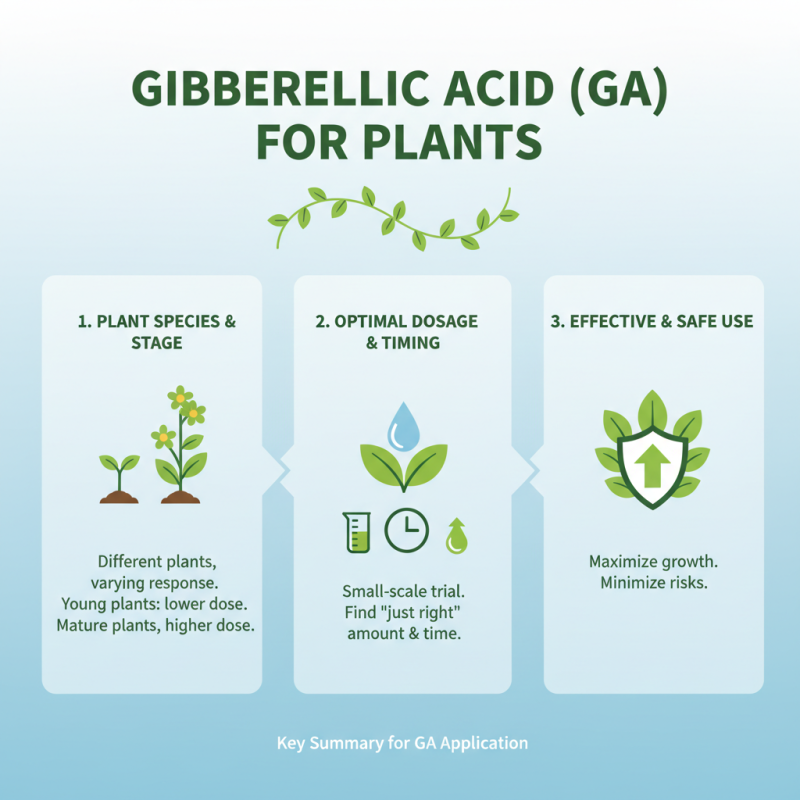
When considering the use of Gibberellic Acid (GA) on plants, several factors come into play to ensure its effectiveness and safety. Firstly, understanding the specific plant species and their growth stages is crucial. Different plants respond to GA in varying degrees, with some species benefiting more from its applications than others. For instance, young seedlings may require lower concentrations compared to mature plants. Conducting a small-scale trial can help determine the optimal dosage and timing for application, minimizing adverse effects while maximizing growth.
Additionally, environmental conditions significantly impact the efficacy of Gibberellic Acid. Factors such as temperature, humidity, and the overall health of the plant must be taken into account. High temperatures may enhance the absorption and effectiveness of GA, while excessive humidity could lead to unintended consequences like fungal growth. Therefore, it is recommended to apply GA during favorable weather conditions and to ensure that plants are well-hydrated and disease-free prior to treatment. By carefully considering these aspects, gardeners can effectively utilize Gibberellic Acid to promote healthy and robust plant growth.
Common Misconceptions About Gibberellic Acid in Agriculture
Gibberellic acid (GA) is often heralded as a plant growth powerhouse, yet misconceptions frequently cloud its application in agriculture. One common misunderstanding is that GA can replace proper agricultural practices after its application. While gibberellic acid can significantly enhance growth and development in plants, it should be seen as a complementary tool rather than a standalone solution. For optimal results, it must be integrated with sound agronomic practices, including nutrient management, irrigation, and pest control.
Another misconception is that gibberellic acid is a magic bullet for all plant issues. While it is effective in promoting growth, elongating stems, and improving fruit set, its application requires precision. Over-application can lead to undesirable effects such as overly stretched plants and poor fruit quality. Farmers and growers must understand the specific conditions and stages of plant growth that benefit from gibberellic acid treatment, tailoring their use to maximize benefits without compromising plant health. Misuse and misunderstanding can undermine the positive effects of this powerful growth regulator, leading to inconsistent results.