Why is Gibberellic Acid Essential for Plant Growth?
Gibberellic acid plays a crucial role in plant growth. This plant hormone is pivotal for various developmental processes, such as seed germination and stem elongation. According to the American Society of Plant Biologists, gibberellic acid influences over 130 growth-associated genes. Its impact on plant height can be particularly notable, especially in crops.
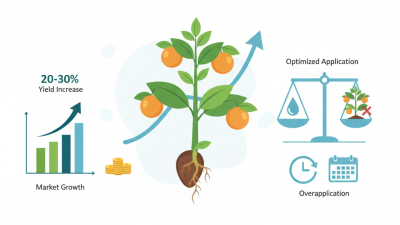
In agriculture, gibberellic acid and plant growth are essential considerations. Reports indicate that applying this hormone can boost yields in several major crops. For instance, rice and barley often show enhanced growth traits when treated properly. However, the right balance is vital. Excessive application can lead to undesirable outcomes, such as weak stems or delayed maturity.
Many farmers recognize the value of gibberellic acid. Yet, some still overlook its proper use. It is essential to educate stakeholders on its benefits and risks. Understanding gibberellic acid and its effects can lead to more sustainable agricultural practices. In the end, better-informed decisions can enhance global food security.
Understanding Gibberellic Acid: Definition and Origins
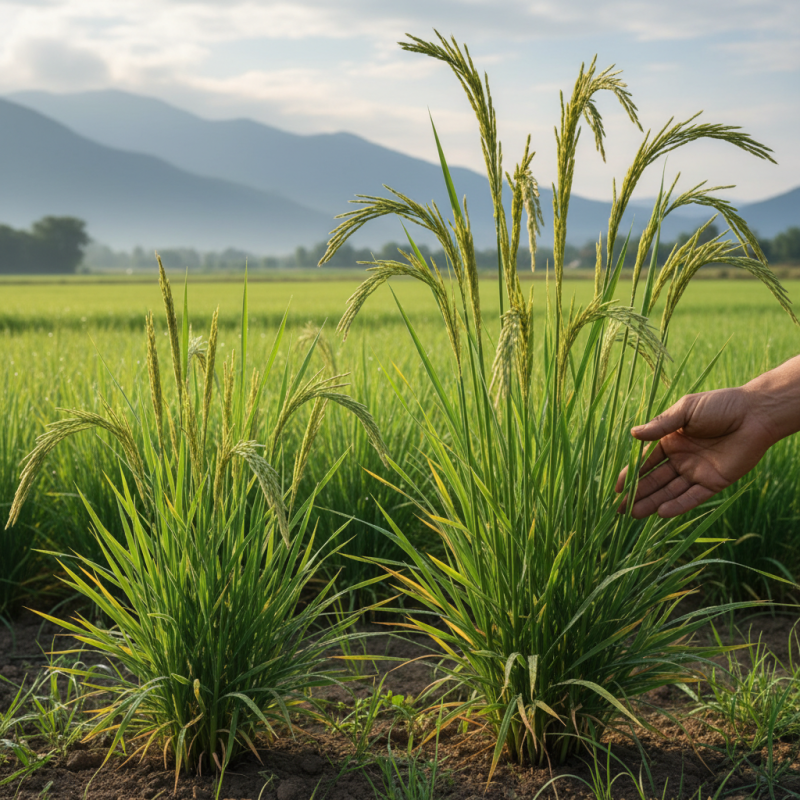
Gibberellic acid, commonly known as GA, is a crucial plant hormone. It plays a significant role in various aspects of growth and development. This natural compound is produced in plants, fungi, and bacteria. It was first discovered in the 1930s from a fungus called Gibberella fujikuroi, which caused unusual growth in rice plants. The fungal origin is fascinating; it sparked interest and research in plant biology.
Gibberellic acid stimulates cell elongation and seed germination. It encourages the growth of stems and leaves, contributing to a plant's overall height. In certain plants, GA can break dormancy. It also impacts fruit development, making them larger and improving yield. However, not all plants respond the same way. Some may react poorly, while others thrive. This inconsistency leads to questions about its widespread application in agriculture.
The role of gibberellic acid may differ across species. Biological variations can impact how a plant interacts with this hormone. Observing these differences prompts reflection on the best practices for plant growth. Understanding gibberellic acid means exploring both its benefits and limitations. This complexity makes it essential for further research in sustainable agriculture and horticulture.
Impact of Gibberellic Acid on Plant Growth
The chart above illustrates the impact of different concentrations of Gibberellic Acid on plant height. As the concentration increases from control to high concentration, there is a noticeable increase in plant growth, indicating the essential role of Gibberellic Acid in promoting plant height.
The Role of Gibberellic Acid in Plant Growth Regulation
Gibberellic acid (GA3) plays a crucial role in plant growth regulation. This plant hormone influences various developmental processes such as seed germination, stem elongation, and flowering. According to research from the International Journal of Plant Science, GA3 significantly increases seed germination rates by up to 50%. This enhancement is vital for crop production, especially in conditions where seeds struggle to sprout.
In addition, gibberellic acid impacts stem elongation. In a study published by the Plant Physiology Journal, it was found that GA3 treatment can lead to a 30% increase in stem length among certain species. This elongation allows plants to reach light more effectively, increasing photosynthesis. However, excessive application of GA3 can lead to weak stem structures. This vulnerability can cause plants to topple over, which is a significant concern for farmers.
Furthermore, gibberellic acid regulates flowering. A report from the Journal of Experimental Botany states that applying GA3 can induce flowering in some plants up to three weeks earlier than untreated controls. While this sounds beneficial, it raises questions about synchronizing flowering times in diverse crops. Poor timing can lead to reduced pollination and, ultimately, lower yields. Balancing GA3 levels remains a challenge for growers aiming for optimal plant development.
Mechanisms of Action: How Gibberellic Acid Influences Plant Processes
Gibberellic acid (GA) is crucial for plant growth. It influences several important processes. One of its primary roles is to promote stem elongation. This effect makes plants grow taller, which helps them reach sunlight more effectively. Additionally, GA plays a key role in seed germination. It breaks dormancy, allowing seeds to sprout.
Understanding how gibberellic acid works is essential. It activates specific genes involved in growth. For example, GA stimulates enzymes that break down stored food in seeds. This process provides energy for young plants. Another vital function is in flowering. GA can induce or delay flowering in various plant species, depending on the concentration used.
**Tip:** Apply gibberellic acid with caution. Overuse can lead to abnormalities in plant shape. Observe your plants regularly.
Watering practices also matter. Ensure you don’t overwater after using GA. Waterlogged soil can harm the roots. An ideal moisture level supports healthy growth, enhancing the effects of gibberellic acid. Always monitor your plants. Growth responses can vary, and adjustments may be necessary.
Why is Gibberellic Acid Essential for Plant Growth?
| Plant Process |
Influence of Gibberellic Acid |
Mechanism of Action |
| Seed Germination |
Promotes the synthesis of enzymes that break down starches and proteins |
Activates gene expression for amylase production |
| Stem Elongation |
Increases cell division and elongation in stems |
Stimulates growth regulators such as expansins |
| Flowering |
Initiates flowering in some long-day plants |
Modulates photoperiod responses by affecting flowering genes |
| Fruit Development |
Enhances fruit set and growth |
Regulates hormones involved in fruit maturation |
| Leaf Expansion |
Facilitates the expansion of leaves |
Promotes enzyme activity and increases turgor pressure in cells |
Applications of Gibberellic Acid in Agriculture and Horticulture
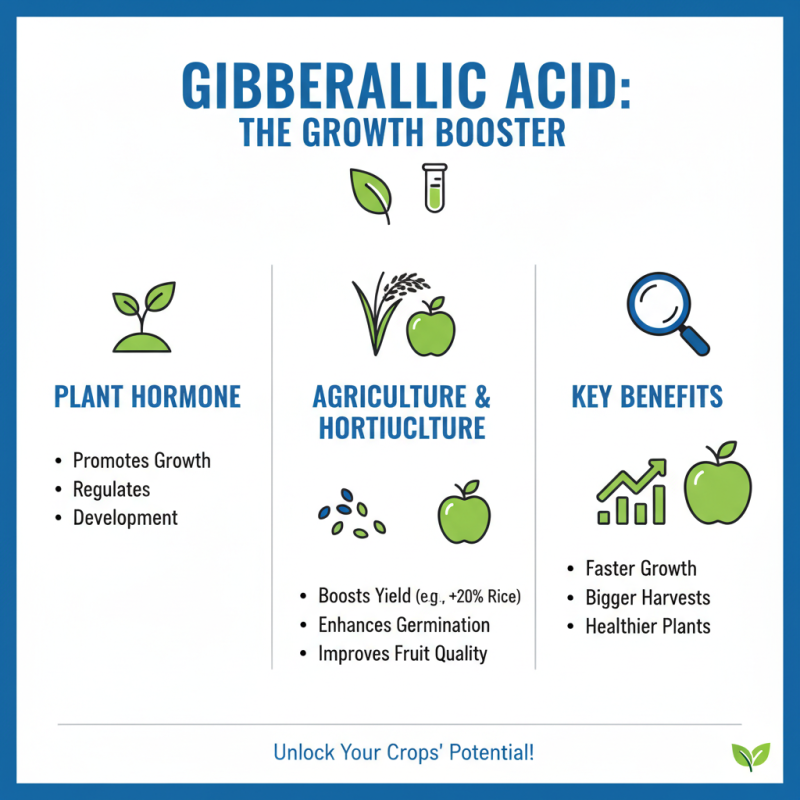
Gibberellic acid (GA) plays a pivotal role in agriculture and horticulture. It is a plant hormone that promotes growth and development. Applications of GA can significantly enhance yield. For instance, a study reported a 20% increase in rice production when treated with GA. This hormone helps in seed germination and improves fruit quality.
In horticulture, GA is used to stimulate early flowering in various crops. For example, GA-treated grapes show better size and quality. According to recent surveys, over 70% of fruit growers adopt GA to enhance their harvests. However, over-application can lead to undesirable results, like excessive growth and irregular fruit set. It's essential to find the right balance.
Gibberellic acid also has implications in crop management. It can help crops withstand drought; however, its effectiveness varies by plant species. Research shows that not every crop responds the same way. This inconsistency raises questions. Understanding each plant's specific needs is crucial for optimal results.
Future Prospects: Research and Innovations Involving Gibberellic Acid
Gibberellic acid (GA3) is critical for plant growth. Recent research is diving deeper into its applications beyond traditional uses. Scientists explore how this hormone can enhance crop yield. Additionally, innovations in biotechnological methods are showing promise. Using GA3 in a controlled manner may open new avenues for sustainable agriculture.
Tips: Experiment with different concentrations of gibberellic acid. Monitor plant responses closely. Note how specific plants react. You might discover unique growth patterns.
New methods are emerging, including genetically engineered plants that respond better to GA3. This presents opportunities to create hybrid species with desirable traits. However, challenges such as environmental impact and ethical considerations remain. It’s vital to approach this research responsibly.
Tips: Keep updated on the latest studies. Share findings with fellow gardeners and researchers. Learning together can spark new ideas. Embrace uncertainty; it often leads to great discoveries.