Gibberellic Acid for Plants 5 Essential Tips for Effective Use?
Gibberellic acid for plants is a powerful growth regulator. It influences various plant processes, making it a favorite among gardeners. Understanding how to use it effectively can boost plant growth and yield.
When using gibberellic acid for plants, timing and dosage are critical. Too much can harm plants, leading to stunted growth or even failure. This requires careful attention to application techniques. The process is not without its challenges, and results can vary based on plant species and environmental conditions.
Many gardeners experience trial and error with gibberellic acid. Sometimes, they find the results are not as expected, encouraging reflection on their methods. Creating ideal applications tailored to specific plants can enhance effectiveness. With practice and patience, the benefits of gibberellic acid for plants can be remarkable, transforming growth patterns and crop productivity.
Understanding Gibberellic Acid and Its Role in Plant Growth
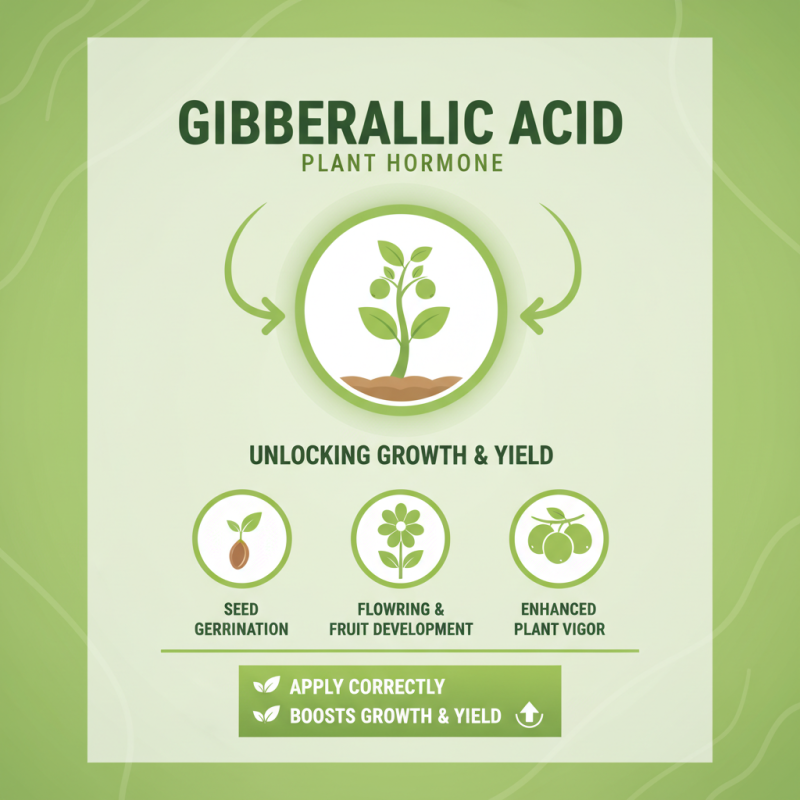
Gibberellic acid is a plant hormone known for its role in promoting growth. It affects various processes such as seed germination, flowering, and fruit development. When applied correctly, it can enhance plant vigor and yield. Understanding its function is key to harnessing its power in gardening or agriculture.
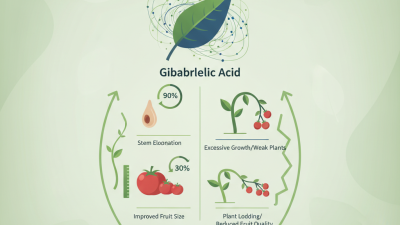
Applying gibberellic acid can be tricky. Overuse can lead to unintended consequences, like excessive elongation of stems. Many gardeners do not measure concentrations correctly. This imbalance might weaken the plant structure. Also, not all plants respond positively to gibberellic acid. Some may grow too quickly, making them more susceptible to disease.
Timing is crucial when using gibberellic acid. Different plants have specific growth stages where this hormone is most effective. Researching these stages can ensure better results. Observing plant responses after application can provide useful insights. Reflecting on your gardening practices can help improve your approach for future use. Keep a journal to track effects and adjust your methods accordingly.
Choosing the Right Concentration of Gibberellic Acid for Your Plants
Choosing the right concentration of gibberellic acid is critical for successful plant growth. This plant hormone can promote cell elongation and improve fruit quality. However, using the wrong concentration can lead to adverse effects. Research indicates that concentrations ranging from 50 to 300 ppm are typically effective for most plants, but specifics can vary greatly.
For example, some studies have shown that tomatoes respond well to lower concentrations, around 100 ppm. The same report suggests that excess gibberellic acid can lead to undesirable growth patterns. Overuse may cause stems to stretch excessively, resulting in weaker plants. It’s essential to start with the lower end of the recommended range and observe your plants’ growth closely.
Keep in mind that environmental conditions also play a role. High temperatures can enhance the effects of gibberellic acid, making it essential to adjust concentrations accordingly. A thoughtful approach is crucial. Over-application can waste resources and negatively impact plant health. Experimentation and careful observation are necessary to find the right balance for your specific growing conditions.
Gibberellic Acid Concentration Impact on Plant Growth
This chart demonstrates the impact of different concentrations of Gibberellic Acid on plant height increase. As the concentration increases, a significant increase in height is observed, indicating the effectiveness of Gibberellic Acid in promoting plant growth.
Application Methods: How to Effectively Use Gibberellic Acid
Gibberellic acid (GA3) is a powerful plant hormone. It can significantly enhance growth and yield. However, knowing how to apply it properly is crucial for success.
One effective method involves foliar spraying. A solution of 50-200 ppm can stimulate growth. This range ensures maximum absorption. Studies show that spraying GA3 can increase fruit size by 20-30%. It's important to spray during the early morning or late afternoon. This timing helps avoid evaporation and increases efficacy.
Soil application is another method. You can incorporate GA3 into the soil before planting. Research indicates that this method can enhance root development. Proper dosage is key here. Excessive amounts may harm plants. Aim for 10-15 ppm in the soil. Remember to monitor your plants closely. Observing their response will help you adjust future applications. It's a balancing act between too much and too little.
Each plant species may react differently to GA3. Regular evaluation is essential for optimal growth results.
Timing Your Applications for Optimal Plant Response
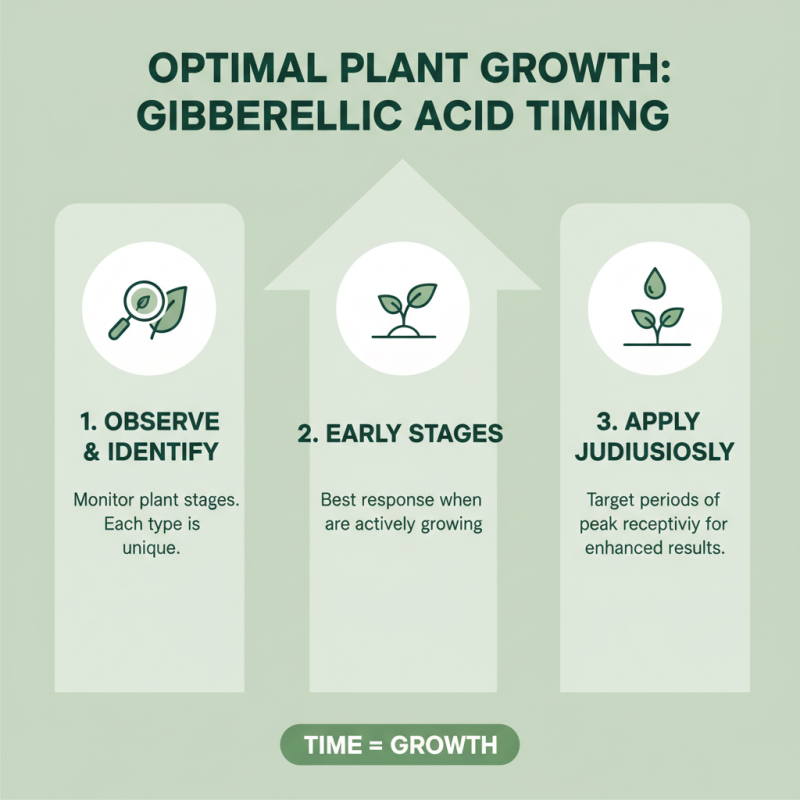
Timing your applications of gibberellic acid can significantly influence plant growth. To achieve optimal results, observe your plants closely. Each plant type has unique growth stages. Identify when they are most receptive to growth hormones. Early stages often yield better responses, as plants are actively growing.
Consider environmental factors. Temperature and humidity play crucial roles in absorption. Apply the acid during mild weather conditions. Too hot or humid can stress your plants. It’s also vital to monitor the soil moisture. Dry soil can hinder effectiveness. Apply it when the soil has adequate moisture to enhance absorption.
Track your applications meticulously. Some plants may not respond as you expect. Take notes on timing, concentration, and environmental conditions. Adjust your approach based on your observations. Reflect on past applications. Were there any patterns in the response? This will guide future uses. Remember, there is no one-size-fits-all. Each plant requires a tailored approach.
Monitoring Plant Responses and Adjusting Gibberellic Acid Use
Monitoring plant responses to gibberellic acid can significantly enhance growth. Observing changes closely helps in understanding plant needs. The right dose can stimulate growth, but too much can harm. Yellowing leaves? That could be a sign of overuse. Plants might become leggy if they don’t receive enough sunlight.
Regular checks on plant health can provide valuable insights. Look for signs of stress or unusual growth patterns. Adjusting gibberellic acid levels can lead to better outcomes. A small tweak can make a big difference. Experimentation is key; every plant may react differently. It's essential to document each change. Learn from mistakes.
Plant reactions can be unpredictable. Some thrive with increased gibberellic acid, while others may struggle. Understanding these different responses takes time. Regular monitoring can help adjust your application methods. Be patient, learn, and adapt. Not every attempt will be perfect, but that's part of the journey.
Gibberellic Acid for Plants: 5 Essential Tips for Effective Use
| Tip |
Description |
Optimal Usage |
Monitoring Plant Response |
| 1. Start with Low Concentration |
Introduce gibberellic acid at a low concentration to observe plant reactions. |
0.1 - 0.3% solution |
Check for any negative effects on growth. |
| 2. Timing is Key |
Apply during key growth phases for best results. |
Use during seed germination or early vegetative stages. |
Monitor growth rate and leaf development. |
| 3. Ensure Even Distribution |
Apply uniformly to avoid uneven growth. |
Use a sprayer for uniform application. |
Watch for variance in plant height. |
| 4. Monitor Environmental Conditions |
Consider temperature and humidity; these factors influence plant responses. |
Optimal conditions: 20-25°C and 60-70% humidity. |
Assess plant health and stress signs. |
| 5. Adjust Based on Observation |
Be ready to modify concentration based on plant response. |
Increase or decrease by 0.1% based on results. |
Continuously assess vigor and flowering times. |