How Gibberellic Acid Influences Plant Growth and Boosts Your Garden Yield
Gibberellic acid, a naturally occurring plant hormone, plays a pivotal role in regulating various aspects of plant growth and development. Known for its profound gibberellic acid effect on plant growth, this substance promotes cell elongation, seed germination, and flowering, thus significantly enhancing plant productivity. As gardeners and agriculturalists strive to maximize their yields, understanding the mechanisms by which gibberellic acid influences plant physiology becomes essential.
This introduction to gibberellic acid will explore its critical functions in the growth cycle of plants, from the initiation of seed germination to the enhancement of fruit and flower production. By harnessing the power of gibberellic acid, gardeners can not only improve the growth rate of their plants but also boost resilience against environmental stressors. With an emphasis on practical applications, this discussion will illuminate how judicious use of gibberellic acid can lead to flourishing gardens and bountiful harvests, making it a key consideration for anyone interested in maximizing the potential of their green spaces.
Understanding Gibberellic Acid: Definition and Importance in Botany
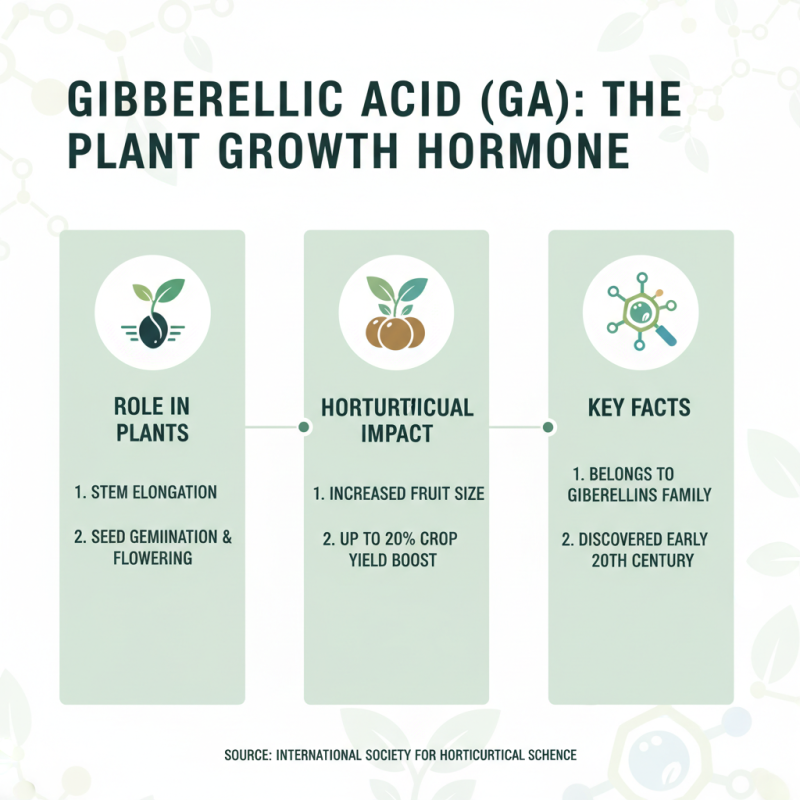
Gibberellic acid (GA) is a plant hormone that plays a crucial role in regulating various physiological processes, influencing growth and development in plants. Defined as a member of the gibberellins family, GA is primarily responsible for promoting stem elongation, seed germination, and flowering. Its discovery in the early 20th century marked a significant milestone in botany, as scientists began to understand the intricate mechanisms that govern plant growth. According to the International Society for Horticultural Science, gibberellins have been shown to increase the size of fruits and enhance overall crop yields by up to 20% in various plant species when applied correctly.
In addition to growth promotion, gibberellic acid is vital in breaking dormancy and initiating germination in seeds. Research published in the Journal of Plant Growth Regulation indicates that treatments with GA can effectively increase the germination rates by up to 40%, particularly in seeds that require specific environmental conditions to sprout. This property makes GA an essential tool for horticulturists and farmers seeking to maximize their yields and ensure uniformity in plant development. Overall, understanding the role of gibberellic acid in botany not only aids in optimizing cultivation practices but also contributes to sustainable agricultural advancements.
The Role of Gibberellic Acid in Plant Hormonal Regulation
Gibberellic acid (GA) is a powerful plant hormone that plays a crucial role in growth regulation by influencing various physiological processes. It promotes cell elongation, seed germination, and flowering, thus significantly affecting overall plant development. As a key player in hormonal regulation, GA activates specific genes that facilitate these processes, leading to enhanced growth rates and improved crop yields. Its presence helps plants overcome environmental stresses, making it easier for them to adapt and thrive.
When using gibberellic acid in your garden, certain tips can help you maximize its benefits. First, ensure you apply it at the right growth stage; for instance, using GA during germination can accelerate sprouting and improve seedling vigor. Second, consider the concentration of GA; a lower concentration may be effective for certain plants while others might require higher doses. Lastly, monitor your plants closely after application, as an excess of gibberellic acid can lead to abnormal growth patterns.
Understanding the role of gibberellic acid in hormonal regulation can transform your gardening practices. By strategically using GA, you not only enhance plant growth but also boost the overall productivity of your garden, making it a valuable tool in cultivating a bountiful harvest.
Impact of Gibberellic Acid on Plant Height and Yield
This chart illustrates the impact of different concentrations of Gibberellic Acid (GA3) on average plant height and yield. As the concentration of GA3 increases, both plant height and yield show a marked improvement, indicating the effectiveness of Gibberellic Acid in promoting plant growth.
Effects of Gibberellic Acid on Seed Germination and Growth Rates
Gibberellic acid, a naturally occurring plant hormone, plays a crucial role in stimulating seed germination and enhancing growth rates. When applied to seeds, gibberellic acid breaks dormancy, allowing them to imbibe water and initiate the germination process more rapidly. This hormone acts by triggering the production of enzymes that digest stored food, providing the necessary energy and nutrients for the young seedling as it emerges. As a result, seeds treated with gibberellic acid can exhibit higher germination rates and shorter germination times, which is particularly beneficial for gardeners looking to maximize their planting efficiency.
In addition to promoting seed germination, gibberellic acid influences the overall growth dynamics of plants. It enhances stem elongation and encourages leaf expansion, contributing to robust plant development. By regulating various physiological processes, such as cell division and elongation, gibberellic acid leads to greater biomass accumulation and healthier plants. This accelerated growth can significantly boost yields in a garden setting, allowing growers to enjoy more abundant harvests. The ability of gibberellic acid to synchronize growth conditions with environmental factors ultimately supports not only improved productivity but also optimal plant health.
How Gibberellic Acid Influences Plant Growth and Boosts Your Garden Yield
| Plant Type |
Gibberellic Acid Concentration (ppm) |
Seed Germination Rate (%) |
Average Growth Rate (cm/week) |
Yield (g/plant) |
| Tomato |
50 |
90 |
3.5 |
300 |
| Cucumber |
100 |
85 |
4.1 |
250 |
| Beans |
75 |
92 |
3.0 |
200 |
| Corn |
125 |
87 |
5.0 |
350 |
| Pepper |
60 |
80 |
3.7 |
270 |
Utilizing Gibberellic Acid for Improved Crop Yields in Gardening
Gibberellic acid, often abbreviated as GA, plays a crucial role in plant growth regulation and is a powerful tool for gardeners looking to enhance their crop yields. This natural plant hormone promotes various growth processes, including seed germination, stem elongation, and flowering. By incorporating gibberellic acid into gardening practices, growers can encourage more vigorous plant growth, larger fruit sizes, and improved flowering abundances, ultimately leading to a more bountiful harvest.
To effectively utilize gibberellic acid in gardening, timing and application methods are key factors. Gardeners can apply GA as a foliar spray during critical growth periods, such as pre-flowering or post-harvest stages to stimulate further growth or to promote the setting of fruit. Understanding each plant species' specific responses to gibberellic acid is essential, as different types exhibit varying sensitivities. This strategic approach allows gardeners to customize their applications, significantly boosting crop yields while encouraging healthy plant development throughout the growing season.
Guidelines for Applying Gibberellic Acid in Home Gardens and Farms
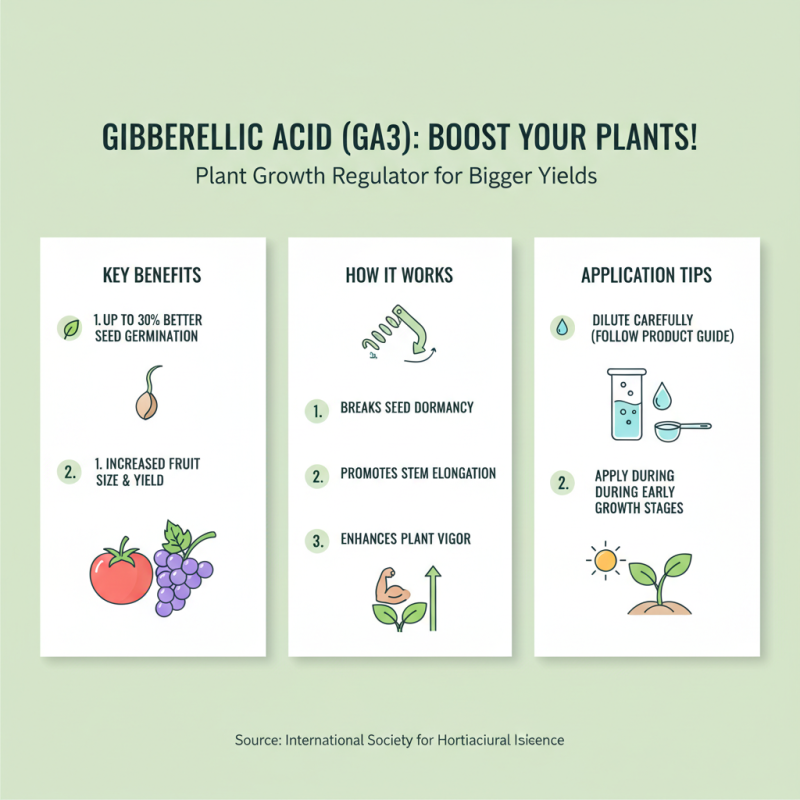
Gibberellic acid (GA3) is a powerful plant growth regulator that plays a crucial role in enhancing plant growth and increasing crop yields. According to a report by the International Society for Horticultural Science, applying GA3 can significantly improve seed germination rates by up to 30% and increase fruit set and size in various crops, including tomatoes and grapes. This hormone aids in breaking dormancy, promoting stem elongation, and improving overall plant vigor. For home gardeners and farmers, understanding how to apply GA3 effectively can lead to noticeable improvements in garden yield.
When applying gibberellic acid, it is vital to follow specific guidelines to maximize its benefits. The recommended concentration typically ranges from 50 to 100 ppm, depending on the crop. Applications should be timed to coincide with critical growth stages, such as pre-planting or during active growth phases. Research suggests that multiple smaller doses can be more effective than a single large application, as this approach can better mimic natural plant hormone fluctuations. Proper spraying techniques are also essential; misting the leaves results in greater absorption compared to drenching the soil, ensuring that the plants receive the full advantage of the hormone's effects. By adhering to these practices, gardeners and farmers can leverage gibberellic acid to enhance crop performance and achieve bountiful harvests.