Gibberellic Acid Tips for Boosting Plant Growth Effectively?
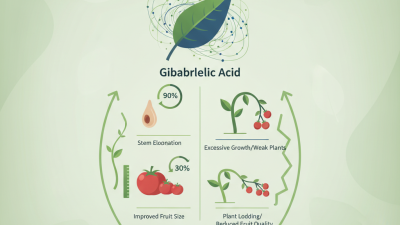
Gibberellic acid has emerged as a key player in the field of plant growth enhancement. This plant hormone accelerates growth by influencing various physiological processes. According to a report by the International Society for Horticultural Science, applying gibberellic acid can increase crop yield by up to 30%. This powerful tool can help farmers achieve impressive results, yet it is also a subject of continuous research and debate.
Dr. Lisa Thompson, a leading expert in plant physiology, states, "Gibberellic acid and plant growth can significantly impact agricultural productivity." Her insights highlight the potential benefits, but also the caution needed in application. Overuse can lead to unbalanced growth and unpredictable results. Understanding the correct dosage and timing is crucial.
While many growers rely on gibberellic acid, not all achieve the desired outcomes. Some face challenges, such as inconsistent results across different plant species or environmental factors. Relying solely on chemical growth enhancers can lead to dependency, which is a growing concern. In the quest for increased productivity, it’s essential to balance the use of gibberellic acid with sustainable practices.
Benefits of Gibberellic Acid in Enhancing Plant Growth
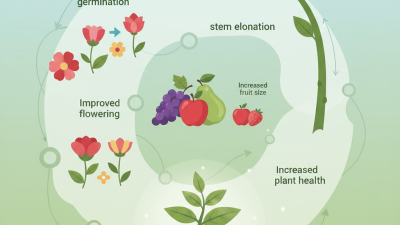
Gibberellic acid (GA) plays a crucial role in plant growth. This plant hormone is known for enhancing germination and elongation of stems. Studies show that GA can increase crop yields by up to 30%. This makes it a favorite among many growers.
Moreover, GA positively affects fruit development. Reports indicate that using it can lead to larger fruit size and improved quality. For instance, grape growers have observed up to 40% larger grapes when applying GA at the right growth stage. However, it's essential to use GA carefully. Over-application can lead to excessive growth or lower plant health.
The timing of application is vital for effectiveness. Early use may boost initial growth, while late application may interfere with maturity. Gardeners need to balance the benefits with potential drawbacks. Observing plant reactions closely can aid in achieving optimal results.
Application Methods of Gibberellic Acid in Agriculture and Horticulture
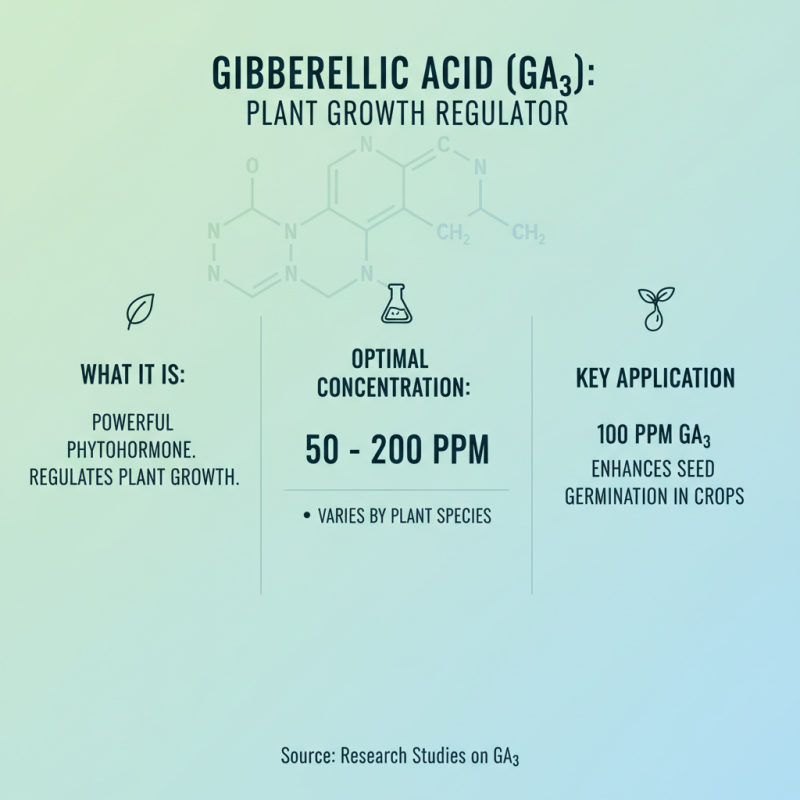
Gibberellic acid (GA) is a powerful plant hormone. It promotes growth in various crops and ornamental plants. Understanding how to apply GA is essential for effective results in agriculture and horticulture.
One common method is foliar spraying. Mix GA with water and spray on leaves. This method allows quick absorption. Apply during the growing season for best results. Another technique is soil application. Dilute GA and apply it directly to the soil. This enhances root growth and overall plant vigor. However, over-application can lead to excessive growth. It's important to find the right balance.
Here are some quick tips: Start with lower concentrations. Observe your plants’ responses. Adjust as necessary. Timing is crucial; apply GA during active growth phases. Always monitor environmental conditions. Even small changes can affect results. Being mindful of these details can significantly improve your success with gibberellic acid.
Timing and Frequency for Gibberellic Acid Application to Maximize Results
Gibberellic acid is a natural plant hormone that enhances growth. Applying it correctly is crucial for optimal results. Timing and frequency play significant roles in achieving the desired effects.
For best outcomes, start applying gibberellic acid during the early growth phase of your plants. This is when they are most receptive. Consider the specific needs of each plant type. You may need to adjust your application based on how your plants respond. Don't rush the process. Overapplication can lead to negative effects, such as stunted growth or excessive elongation.
Regularly monitor growth post-application. Assess how the plants react to the gibberellic acid. If you notice growth slowing or unusual characteristics, rethink your timing and dosage. It’s a balancing act that requires patience and observation. Also, ensure you provide adequate environmental conditions. It’s easy to focus only on the hormone, but factors like light and moisture are equally important. Experimentation might lead to better results, but it's essential to proceed with care.
Potential Side Effects and Management of Gibberellic Acid in Plant Growth
Gibberellic acid (GA) is a growth hormone that can significantly impact plant development. While using GA can enhance growth, it comes with potential side effects. Over-application may lead to excessive stretching of stems, causing weak plants. Abnormal leaf growth can also occur, leading to poor plant health.
Miscalculating doses may result in adverse effects. Plants may become too leggy, reducing their stability. Increased susceptibility to diseases is another concern. It can weaken plant structures, leaving them vulnerable to pests. Monitoring growth closely is essential to prevent these outcomes.
Proper management of gibberellic acid is crucial. Start with smaller doses and observe plant responses. Adjustments may be necessary for different species. Ensure balanced conditions like light and nutrients. Maintaining a healthy environment helps mitigate risk. Remember, moderation is key in achieving desired growth without negative effects.
Gibberellic Acid Effects on Plant Growth
This bar chart illustrates the increase in plant height measured in centimeters for different doses of Gibberellic Acid. The results show a positive correlation between the dose of Gibberellic Acid and plant growth, demonstrating its effectiveness in enhancing growth performance.