How to Use Gibberellic Acid on Plant Growth for Maximum Benefits?
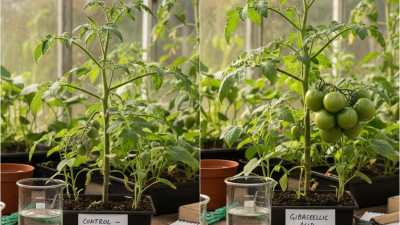
Gibberellic acid is a powerhouse in plant growth. Leading researcher Dr. Jane Harper emphasizes its importance: “Gibberellic acid can unlock a plant’s potential.” This hormone plays a vital role in promoting seed germination, stem elongation, and overall growth. Understanding how to effectively use gibberellic acid on plant growth can significantly enhance cultivation practices.
However, successful application requires careful consideration. The concentration and timing of gibberellic acid usage can influence results. Too much can lead to weak stems or delayed maturity. Observing the plants and adjusting accordingly is crucial. It’s striking how one small mistake in dosage can lead to unexpected outcomes, both positive and negative.
Many growers face challenges in applying gibberellic acid effectively. It takes time to determine the right balance. Experimentation can lead to valuable insights and growth improvements. Embracing the trial-and-error process is part of mastering gibberellic acid on plant growth. Each attempt brings growers closer to understanding their plants’ unique needs.
Understanding Gibberellic Acid: Definition and Role in Plant Growth
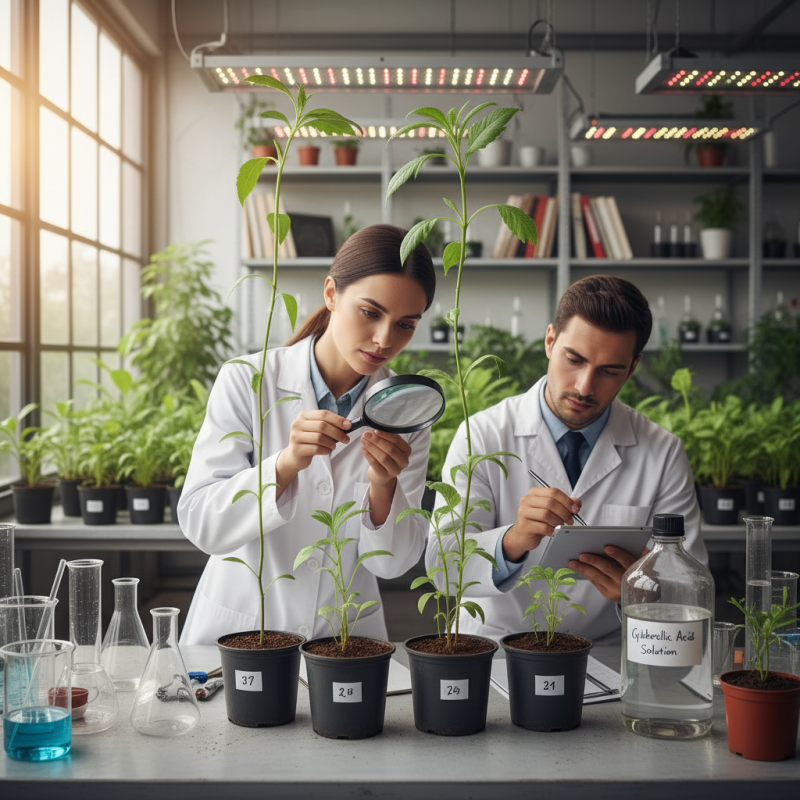
Gibberellic acid is a plant hormone that plays a crucial role in growth. It affects various processes, such as seed germination, stem elongation, and flowering. Understanding its importance can help gardeners achieve better results.
Using gibberellic acid can be tricky. Over-application may lead to excessive growth, which can weaken the plant. Timing is essential. Apply it early in the growing season for the best effects. Monitor your plants closely to see how they respond. This will help you adjust your applications effectively.
Tips: When using gibberellic acid, dilute it properly. Aim for the right concentration to avoid burning the leaves. Test on a small section before widespread application. This minimizes potential harm. Keep an eye on environmental conditions like humidity and temperature, as they may affect how plants respond to the hormone. Adjust your techniques as needed.
Impact of Gibberellic Acid on Plant Growth
This bar chart illustrates the effect of different concentrations of Gibberellic Acid (GA3) on plant height increase. The control group shows the least growth, while higher concentrations of GA3 significantly enhance plant growth.
Optimal Concentration Levels of Gibberellic Acid for Different Plants
Gibberellic acid (GA3) is a powerful plant hormone that can boost growth significantly. Different plants require specific concentrations for optimal results. For instance, many fruit trees, like apples and cherries, respond well to about 50-100 ppm. Too much can lead to abnormal growth patterns.
In contrast, certain vegetables, including carrots and lettuce, thrive with lower concentrations. Aim for 10-20 ppm. It's crucial to monitor plant responses closely. Sometimes, you might find that your plants don’t react as expected. This can be a sign to adjust your approach.
**Tips:** Always start with the lower concentration. Observe how your plants grow before increasing the dosage. A small scale test on a few plants may also help in gauging the right level needed. Through trial and error, you’ll find what works best for your garden. Adjustments can be necessary, so don’t hesitate to rethink your strategies.
How to Use Gibberellic Acid on Plant Growth for Maximum Benefits?
| Plant Type |
Optimal Concentration (ppm) |
Application Method |
Effects on Growth |
| Tomatoes |
20-50 |
Foliar spray |
Increased fruit size and faster maturation |
| Cucumbers |
30-60 |
Seed soaking |
Improved germination and increased yield |
| Lettuce |
10-25 |
Soil drench |
Enhanced leaf size and growth rate |
| Barley |
50-100 |
Foliar spray |
Increased stem elongation and grain yield |
| Beans |
15-40 |
Seed soaking |
Faster emergence and improved plant vigor |
Application Techniques: Foliar Spray vs. Soil Drench Methods
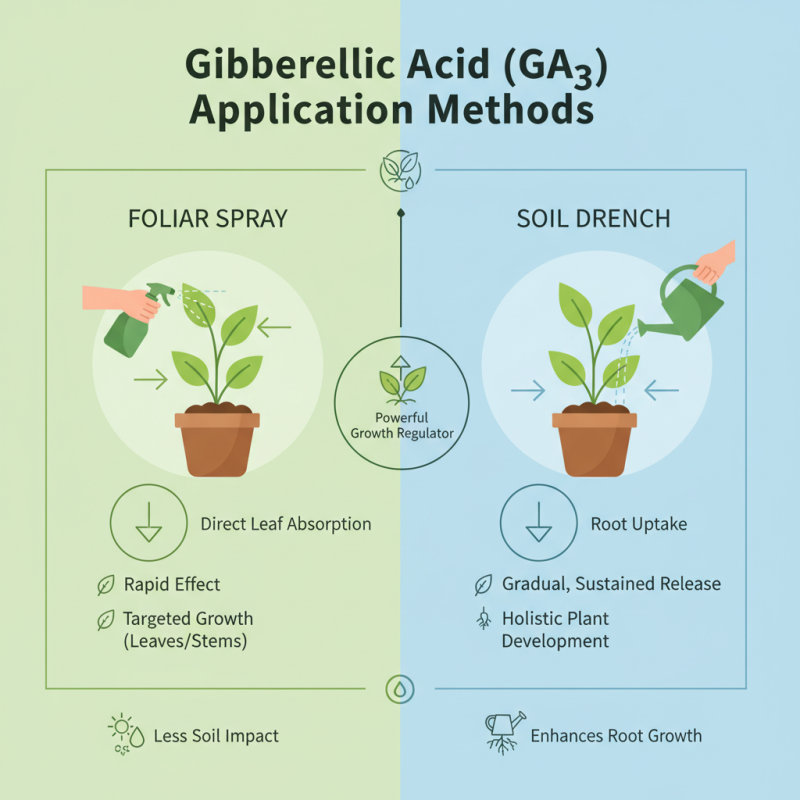
Gibberellic acid (GA3) serves as a powerful growth regulator. Its application can vary, but two primary techniques stand out: foliar spray and soil drench methods. Each technique has its unique benefits and potential drawbacks.
Foliar spraying allows for quick absorption through leaf surfaces. Research indicates that this method can enhance germination rates by up to 50%. However, timing and concentration are critical. If not applied carefully, excessive use can lead to leaf burn. It's essential to monitor environmental conditions like humidity and temperature for optimal results.
On the other hand, soil drenching delivers GA3 directly to the root zone. This technique encourages vigorous root development and can promote faster growth overall. A study showed that soil drenching improved root biomass by 20% compared to the control group. Yet, the application must be precise. Overwatering can cause leaching, leading to nutrient loss.
Both methods require attention to detail. Understanding the specific needs of the plants involved is key. Balancing application rates and environmental factors remains a challenge for many growers.
Timing the Application of Gibberellic Acid for Maximum Effectiveness
When using gibberellic acid (GA3) for plant growth, timing is crucial. Applications made at specific growth stages can yield the best results. For instance, studies indicate that applying GA3 during the early stages of germination often leads to improved seedling height and vigor. According to a report by the Agricultural Research Service, optimal timing coincides with the initial emergence of true leaves. This period is vital for establishing root systems efficiently.
It is essential to monitor environmental conditions. For example, when temperatures are mild, GA3 can enhance the growth response significantly. Conversely, applying it during extremely high or low temperatures may lead to poor results. In a survey, researchers found that around 30% of farmers experienced suboptimal growth yields due to improper application timings. This statistic highlights the importance of understanding local climate patterns.
Experimentation with different application rates can also be useful. A common mistake is applying too much GA3, which can result in erratic growth patterns. Recommendations suggest starting with lower concentrations and gradually increasing them, if necessary. This trial-and-error approach often leads to more tailored results based on specific plant species and conditions. Careful observation of plant responses during trials can provide actionable insights for future applications.
Evaluating the Impact of Gibberellic Acid on Crop Yield and Quality
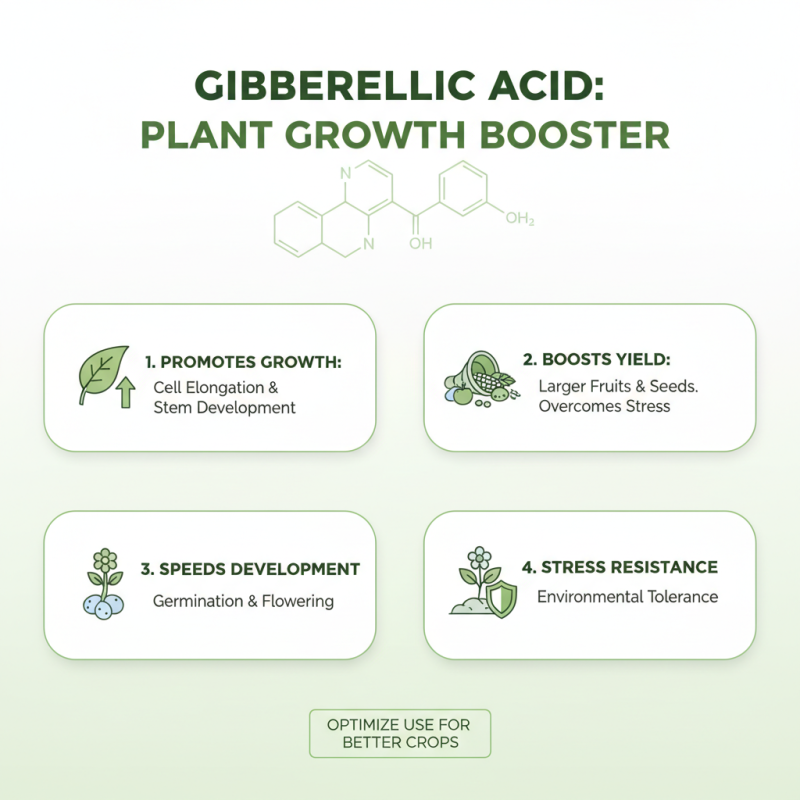
Gibberellic acid, a natural plant hormone, plays a crucial role in promoting growth. Its application can significantly affect crop yield and quality. This compound helps plants overcome environmental stresses and stimulates fruit and seed development. Farmers often seek to optimize its use for better results.
When applied correctly, gibberellic acid can increase the size of fruits and enhance the germination rates of seeds. Not all crops react the same way, though. Some may show outstanding growth, while others might not. Careful observation is essential to gauge its effectiveness on different plants. Timing and concentration are critical to achieving the desired outcome.
However, misuse can lead to disappointing results. Over-application might cause abnormalities in growth patterns or poor quality produce. Understanding the specific needs of each crop helps in achieving maximum benefits. Experimentation is key, yet not all experiments yield success. Continuous learning and adjustment are part of the journey in using gibberellic acid effectively.