What is Gibberellic Acid and How to Use Gibberellic Acid Products Effectively
Gibberellic acid, a plant hormone derived from fungi, plays a crucial role in regulating various growth processes in plants. It influences seed germination, stem elongation, flowering, and fruit development, making it a vital component in agricultural practices. As an effective growth promoter, gibberellic acid is commonly utilized to enhance crop yields and improve the quality of fruits and vegetables. Given its significance, understanding how to use gibberellic acid products effectively can greatly benefit both commercial growers and home gardeners.
When incorporating gibberellic acid products into agricultural practices, it is essential to follow recommended application guidelines and timings to achieve optimal results. Factors such as plant type, growth stage, and environmental conditions can all influence the effectiveness of gibberellic acid. By strategically applying these products, growers can unlock the full potential of their crops, leading to increased growth rates and overall productivity. In this guide, we will explore the various uses of gibberellic acid products and provide practical tips for maximizing their benefits in the garden or field.

What is Gibberellic Acid?
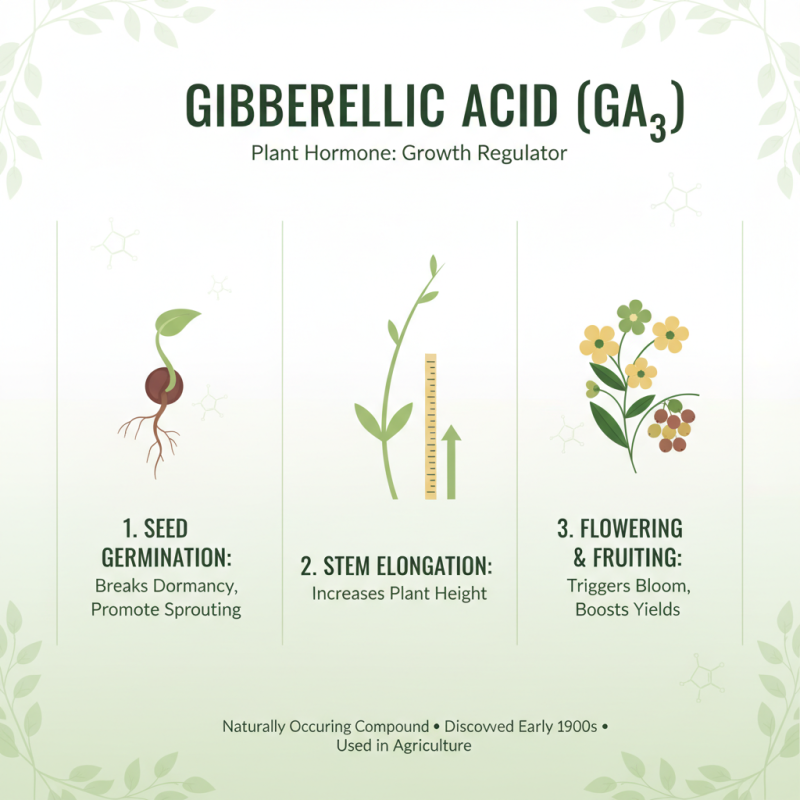
Gibberellic acid, commonly known as GA3, is a naturally occurring plant hormone that plays a crucial role in regulating various growth processes. Discovered in the early 20th century, it is produced by fungi and acts as a catalyst for numerous physiological responses in plants. This compound is particularly important for stimulating seed germination, promoting stem elongation, and triggering flowering processes in certain species. Its function is largely tied to enhancing growth patterns and increasing fruiting and flowering in agricultural settings.
In practical applications, gibberellic acid is utilized in various horticultural and agricultural practices to improve yield and quality. Growers often apply it to their crops to induce earlier flowering and increase fruit size, leading to a more fruitful harvest. The timing and concentration of gibberellic acid used can vary depending on the specific plant species and desired outcomes. Understanding the appropriate application and dosage is essential for maximizing its effectiveness while ensuring that the biological balance within the plants is maintained. By harnessing the power of gibberellic acid, cultivators can significantly enhance their gardening or farming efforts.
The Role of Gibberellic Acid in Plant Growth
Gibberellic acid (GA3) is a natural plant hormone that plays a crucial role in regulating various aspects of plant growth and development. This powerful growth regulator is particularly known for its ability to promote stem elongation, seed germination, and flowering. According to a report by the International Society for Horticultural Science, GA3 can enhance the growth rate of many crops, leading to increased yields and improved quality. For instance, the application of gibberellic acid to grapevines has been shown to increase berry size and improve fruit set, reflecting its significant impact on horticultural practices.
In addition to promoting growth, gibberellic acid influences the timing of developmental processes, allowing growers to manipulate flowering and fruiting schedules. Research published in the Journal of Agricultural Science suggests that optimizing gibberellic acid application can result in improved crop uniformity and earlier harvests. For instance, the use of GA3 in rice cultivation has been linked to reduced plant height and enhanced grain filling, which are critical for maximizing production efficiency. By understanding the role of gibberellic acid in plant physiology, agricultural producers can effectively utilize this hormone to enhance plant performance and sustainability.
Benefits of Using Gibberellic Acid Products
Gibberellic acid (GA) is a plant hormone that plays a crucial role in promoting growth and development in various crops. One of the primary benefits of using gibberellic acid products is their ability to enhance seed germination and promote vigorous growth in seedlings. According to a report by the International Society for Horticultural Science, the application of GA can increase the germination rates of seeds by up to 30%, leading to stronger and healthier plants. This is particularly advantageous for farmers and gardeners looking to maximize their crop yields and ensure robust plant development.
In addition to improving germination, gibberellic acid is known for its role in promoting flowering and fruit set, especially in crops like grapes and strawberries. A study published in the Journal of Plant Growth Regulation highlighted that GA applications can advance flowering time and increase fruit size by enhancing cell division and elongation. This results in not only improved quality and marketable yields but also extended harvesting periods, allowing growers to better meet consumer demand. The application of GA in agricultural practices can thus lead to increased efficiency and profitability, making it an essential tool for modern farming.
How to Apply Gibberellic Acid for Best Results
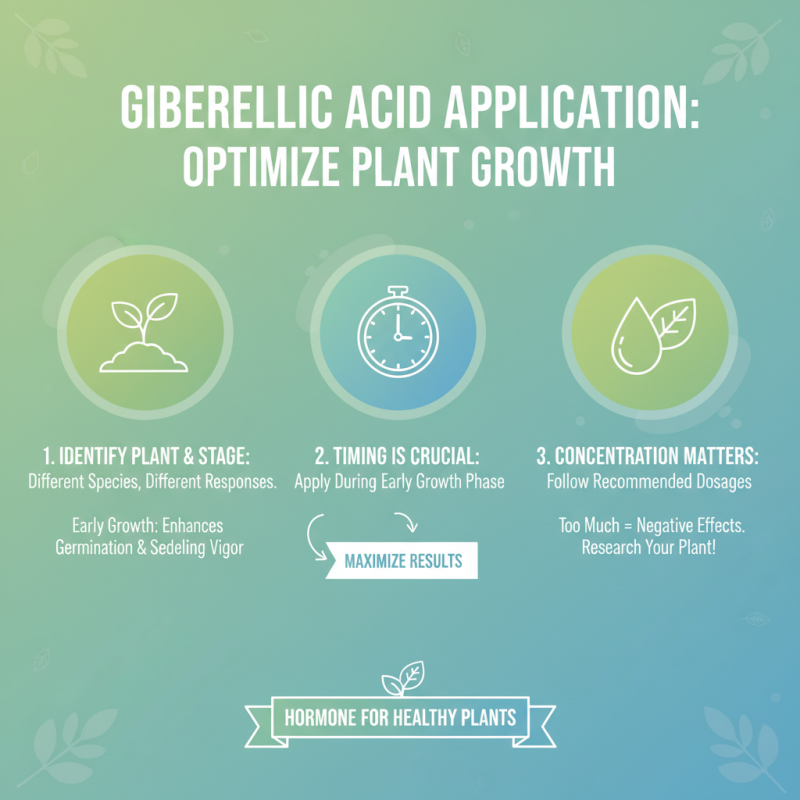
Gibberellic acid (GA) is a plant hormone that promotes growth and influences various developmental processes. When applying gibberellic acid, timing and concentration are crucial for achieving optimal results. First, it's essential to identify the specific plant type and its growth stage, as different species respond differently to GA treatment. Typically, applying it during the early growth phase can enhance germination and stimulate growth in seedlings.
To apply gibberellic acid for best results, mix it with water according to the recommended dilution rates, which typically range from 50 to 1000 ppm depending on the plant's needs. Utilize a spray bottle for foliar application or drench the soil to target root growth. To enhance absorption, consider applying GA during cooler parts of the day, reducing the risk of evaporation and ensuring the solution penetrates effectively.
**Tips:** Always start with a lower concentration to observe how your plants respond before increasing the dosage. Additionally, regularly monitor environmental factors such as temperature and humidity, as these can influence the hormone's effectiveness. Be cautious not to over-apply, as excessive gibberellic acid can lead to undesirable effects like elongated stems or weak growth.
Safety Precautions When Using Gibberellic Acid
When using Gibberellic Acid (GA3), safety precautions are paramount to ensure both personal safety and the well-being of plants. First and foremost, it is essential to wear protective gear, including gloves, goggles, and a mask, to prevent skin contact and inhalation of the product. Since GA3 is a plant growth regulator, its concentrated form can be potent, and even minor exposure could lead to irritation or allergic reactions. Always work in a well-ventilated area, especially when mixing or applying the acid, to minimize inhalation risks.
Proper storage and disposal of Gibberellic Acid products are equally important. Store the products in a cool, dry place, away from direct sunlight and out of reach of children and pets. Ensure that containers are tightly sealed to avoid spills or leaks. When disposing of unused or expired products, follow local regulations regarding hazardous waste disposal, as improper disposal can harm the environment. By adhering to these safety guidelines, users can effectively utilize Gibberellic Acid while minimizing risks associated with its use.