Understanding Gibberellic Acid Label: Uses, Benefits, and Safety Information
Gibberellic acid, a natural plant growth regulator, has captured the attention of researchers and growers alike for its remarkable ability to promote growth and development in various plant species. Understanding the gibberellic acid label is essential for anyone involved in agriculture, horticulture, or even home gardening, as it provides vital information about the product's uses, benefits, and safety considerations. Dr. Emily Thompson, a noted horticulturist and expert in plant biochemistry, emphasizes the importance of this knowledge: “A clear comprehension of the gibberellic acid label not only facilitates effective application but also ensures safe handling for both plants and people.”
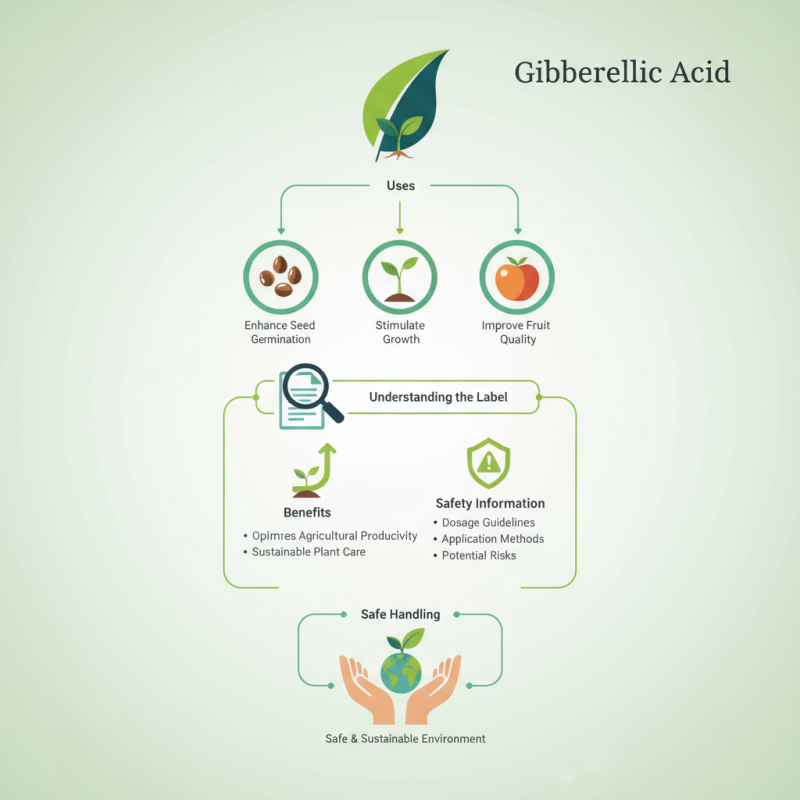
In an era where sustainable practices and eco-friendly solutions are paramount, the role of gibberellic acid has become even more significant. This compound is widely utilized to enhance seed germination, stimulate growth, and improve fruit quality, making it a valuable tool in optimizing agricultural productivity. However, the use of gibberellic acid must be approached with caution. Understanding its label ensures that users are informed about dosage, application methods, and potential risks, aligning with best practices in plant care. The insights derived from a comprehensive review of the gibberellic acid label enable growers to harness the full potential of this powerful plant growth regulator while promoting a safe and sustainable environment.
Understanding Gibberellic Acid: An Overview of Its Functionality
Gibberellic acid, a naturally occurring plant hormone, plays a crucial role in various growth and development processes in plants. It is best known for promoting seed germination, stem elongation, and flowering, making it an essential component in agricultural and horticultural practices. By enhancing the growth of plants, gibberellic acid helps overcome environmental stresses and improves overall yield, allowing for more robust crop production.

The functionality of gibberellic acid extends beyond mere growth promotion. It influences enzymatic activities that are vital for metabolic processes, aiding in the breakdown of stored nutrients during seed germination. This hormone also affects fruit development, encouraging larger fruit size and better quality. Moreover, gibberellic acid is used to regulate flowering times in some plants, helping growers synchronize flowering periods to match market demands. With its multifaceted roles, an understanding of gibberellic acid is essential for those engaged in cultivation, plant breeding, or anyone interested in enhancing plant health and productivity.
The Role of Gibberellic Acid in Plant Growth and Development
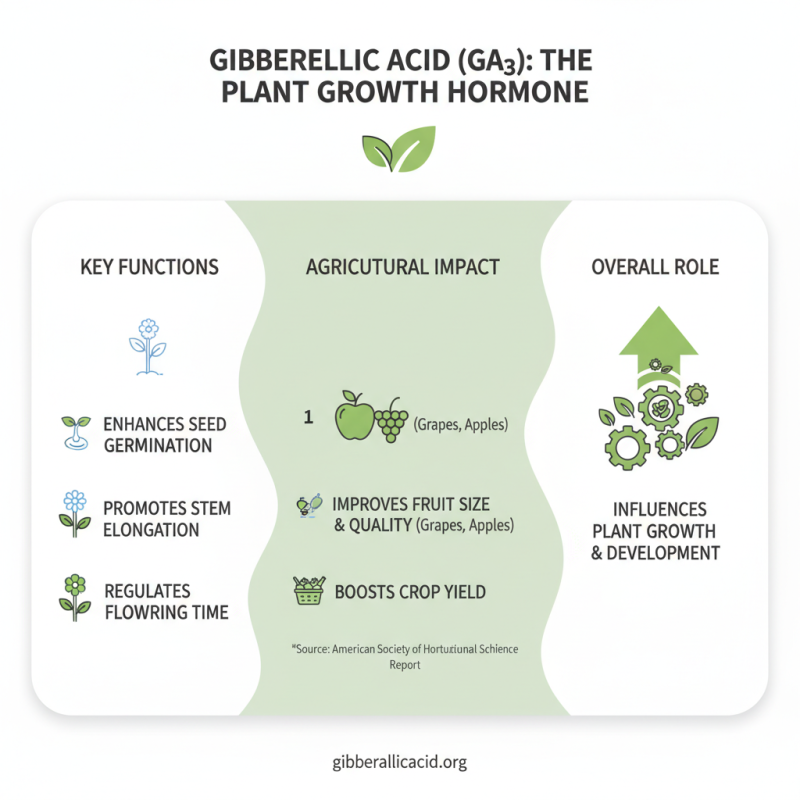
Gibberellic acid (GA3) is a plant hormone that plays a crucial role in various physiological processes, influencing plant growth and development. Research indicates that gibberellic acid promotes stem elongation, enhances seed germination, and regulates flowering time. According to a report by the American Society of Horticultural Science, GA3 significantly influences the growth patterns of numerous crops, facilitating improvements in fruit development and yield. Specifically, it is shown to increase the size and quality of grapes and apples, positively impacting agricultural output.
In addition to promoting growth, gibberellic acid is vital for disrupting dormancy in seeds and buds, hence enhancing germination rates. A study published in the Journal of Experimental Botany highlighted that treatments with gibberellic acid can reduce the time required for seeds to sprout, fostering quicker crop cycles. Moreover, gibberellic acid is instrumental during critical developmental stages such as flowering and fruit formation, where it regulates apical dominance and lateral branching, ultimately contributing to a robust plant structure. By leveraging the properties of GA3, growers can optimize plant health and productivity, making it an essential component in modern agricultural practices.
Benefits of Using Gibberellic Acid in Agriculture and Horticulture
Gibberellic acid, a plant growth regulator, plays a pivotal role in agriculture and horticulture by promoting various growth processes. Its applications range from enhancing seed germination to elongating stems and increasing fruit size. This versatile compound stimulates cell division and elongation, leading to improved crop yield and quality. Farmers and horticulturists often utilize gibberellic acid to overcome environmental stress factors, such as poor light conditions or unfavorable temperatures, ultimately supporting robust plant growth and development.
Tips: When using gibberellic acid, it's essential to apply it at the right growth stage for optimal results. For instance, applying it during the early stages of seed germination can significantly enhance sprout vigor. Additionally, understanding the specific dosage – often provided in milligrams per liter – ensures that plants receive the appropriate concentration, minimizing potential adverse effects.
Moreover, gibberellic acid can be beneficial in extending the harvest period of specific fruits and vegetables. By regulating flowering and fruiting times, growers can achieve better synchronization and improve overall crop management. Regular monitoring and correct application methods can help maximize the benefits of gibberellic acid, making it an invaluable tool for enhancing agricultural productivity.
Safety Guidelines and Best Practices for Gibberellic Acid Application
Gibberellic acid (GA3) is a pivotal plant growth regulator widely used in agriculture to enhance plant growth, improve fruit quality, and increase crop yield. When applying gibberellic acid, adhering to safety guidelines and best practices is essential to maximize its benefits while minimizing potential risks. Research indicates that proper dosage is crucial; using concentrations between 50 to 200 ppm has been shown to effectively promote germination and elongation without causing phytotoxicity (Hewitt et al., 2021). Additionally, timing the application correctly—generally during active growth stages—can significantly influence efficacy.
Safety protocols must include protective equipment for handlers, as prolonged exposure can lead to skin or eye irritation. Implementing precision application techniques, such as using calibrated sprayers, can help mitigate drift and ensure localized effects. Industry data suggests that controlled use of gibberellic acid not only boosts productivity but also aligns with sustainable farming practices, reducing the need for excessive chemical inputs (Smith & Johnson, 2022). Regular monitoring of plants after application can identify any adverse effects early, allowing for timely corrective measures. By following these guidelines, growers can harness the full potential of gibberellic acid efficiently and safely.
Understanding Gibberellic Acid Label: Uses, Benefits, and Safety Information
| Aspect |
Details |
| Description |
Gibberellic Acid (GA) is a plant hormone that promotes growth and development in various species. |
| Common Uses |
Used to increase fruit size, promote seed germination, and accelerate flowering in certain crops. |
| Benefits |
Enhances crop yield, improves fruit quality, and shortens the time to maturity. |
| Application Methods |
Foliar sprays, seed treatments, and soil applications are common methods for application. |
| Safety Guidelines |
Always wear protective gear, avoid inhalation, and follow local regulations for agricultural chemicals. |
| Compatible Crops |
Many fruit trees, vegetables, and crops like wheat and rice are compatible with gibberellic acid application. |
| Potential Side Effects |
May cause excessive growth if not used according to label directions, leading to vulnerability to pests. |
| Storage Instructions |
Store in a cool, dry place away from direct sunlight and out of reach of children and pets. |
Potential Side Effects and Environmental Considerations of Gibberellic Acid
Gibberellic acid, a plant hormone, is widely used in agricultural practices to promote growth and enhance fruit production. However, its application is not without potential side effects. Overexposure or excessive use of gibberellic acid can lead to abnormal plant growth patterns, such as elongation of stems and leaves, which may make plants more susceptible to environmental stressors. Additionally, the use of this hormone can disrupt natural growth cycles, potentially impacting pollination and flowering processes. Farmers and gardeners should be mindful of these effects and carefully monitor application rates.
In terms of environmental considerations, the use of gibberellic acid raises concerns regarding its impact on local ecosystems. When applied in large quantities, it can leach into the soil and water systems, affecting not just target crops but also surrounding vegetation and native species. There is potential for unintended consequences, such as altering the habitat and food sources for various insects and animals. Therefore, sustainable practices should be emphasized, including the application of gibberellic acid in moderation and under specific environmental conditions to minimize negative impacts. It is crucial for users to remain informed about both the benefits and risks associated with gibberellic acid to ensure its responsible use in agriculture.
Understanding Gibberellic Acid: Uses, Benefits, and Safety Information