Top 10 Uses of Gibberellic Acid in Plants for Increased Growth and Yield
Gibberellic acid, a plant hormone first discovered as a fungal growth regulator, has gained significant attention in the agricultural and horticultural sectors for its remarkable impact on plant growth and development. As an essential phytohormone, gibberellic acid uses in plants encompass a wide array of applications aimed at enhancing growth, increasing yields, and improving quality. This powerful natural compound plays a crucial role in various physiological processes, including seed germination, stem elongation, and flowering, making it a valuable tool for farmers and researchers alike.
The versatility of gibberellic acid extends beyond mere growth promotion; it also facilitates better crop management practices. By manipulating gibberellic acid levels, growers can optimize plant responses to environmental stressors and control developmental timing, leading to more consistent and robust production. This adaptability is especially vital in today’s global agricultural landscape, where challenges such as climate change and food security demand innovative solutions. The following sections will delve into the top ten uses of gibberellic acid in plants, illustrating how this potent hormone contributes not only to growth enhancement but also to overall agricultural sustainability.

Significance of Gibberellic Acid in Plant Growth Promotion
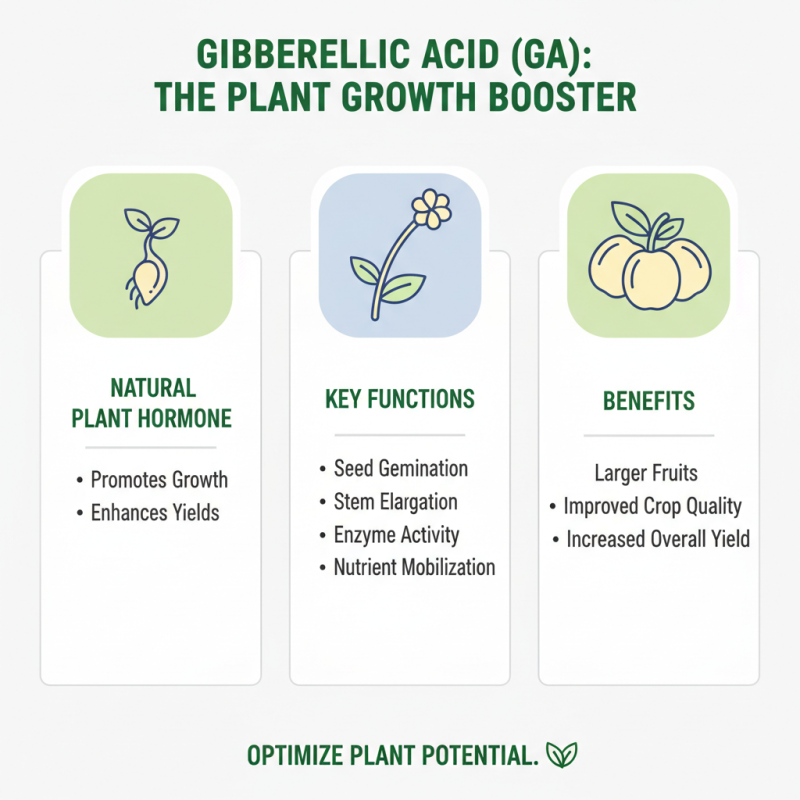
Gibberellic acid (GA) is a naturally occurring plant hormone that plays a pivotal role in promoting growth and enhancing yields. Its significance in plant physiology cannot be understated, as it stimulates various developmental processes such as seed germination, stem elongation, and flowering. By influencing factors like enzyme activity and nutrient mobilization, gibberellic acid helps plants achieve optimal growth, resulting in larger fruits, improved crop quality, and increased overall yield.
When using gibberellic acid, it’s essential to apply it correctly to maximize its benefits. Tips for successful application include ensuring the right concentration based on the specific plant type and growth stage. Over-application can lead to undesirable effects, such as excessive elongation or reduced flower quality. Additionally, applying gibberellic acid during key developmental periods, such as pre- flowering or after transplanting, can significantly enhance its effectiveness.
Plants can greatly benefit from the integration of gibberellic acid into their growth regimen. For gardeners and farmers, understanding the timing and method of application is crucial. Regular monitoring of plant responses to gibberellic acid can also provide insights into optimizing growth conditions and further tailoring the use of this powerful hormone for specific crops.
Mechanisms of Action: How Gibberellic Acid Affects Plant Physiology
Gibberellic acid (GA3) is a powerful plant growth regulator that plays a crucial role in various physiological processes. One of its primary mechanisms of action is promoting cell elongation and division, which leads to increased stem growth and overall plant height. This effect is largely mediated through the stimulation of the production of specific enzymes that are involved in breaking down cell wall components, allowing for more rapid expansion. As plants grow taller and develop larger leaves, their ability to capture sunlight and perform photosynthesis enhances, ultimately contributing to improved biomass accumulation.
In addition to promoting stem elongation, gibberellic acid also influences flowering and fruiting in many plants. It triggers the transition from vegetative to reproductive growth by activating the genes responsible for flower development. This process is particularly significant in crops that require vernalization or specific growth conditions to flower. Furthermore, GA3 is known to enhance fruit set and size by stimulating cell differentiation and division in developing fruits, resulting in better yields. Overall, the application of gibberellic acid can significantly modulate plant growth patterns, improve crop performance, and maximize agricultural productivity.
Top Agricultural Crops Benefiting from Gibberellic Acid Treatment
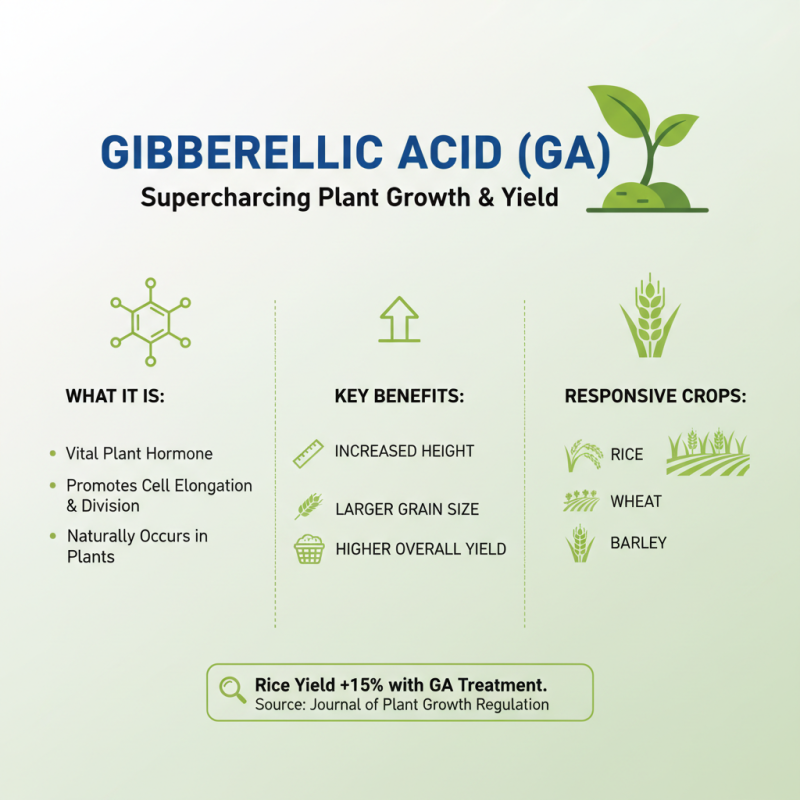
Gibberellic Acid (GA) is a vital plant hormone widely recognized for its ability to enhance growth and yield in various agricultural crops. Research indicates that crops such as rice, wheat, and barley are particularly responsive to GA treatments, often experiencing increases in height, grain size, and overall yield. For instance, a study published in the Journal of Plant Growth Regulation reported that applying gibberellic acid to rice plants increased yield by up to 15%, making it a valuable tool for rice growers aiming for higher productivity.
Another crop that benefits significantly from gibberellic acid is grapevine. GA is used to promote the elongation of stems and improve fruit quality, leading to larger clusters and better flavor profiles. A report by the American Society for Horticultural Science indicated that GA-treated grapevines produced grapes that were approximately 20% larger than untreated ones, demonstrating the hormone's effectiveness in enhancing fruit development.
Tip: When applying gibberellic acid, it's crucial to follow recommended dosage guidelines to avoid potential plant stress. Timing is also essential; applying GA at the right growth stage can maximize its positive effects on growth. For instance, early application during flowering can significantly boost fruit set and yield in many crops.
Moreover, legumes such as beans and peas also see improved growth with gibberellic acid treatments. According to agricultural research data, treatments have led to a remarkable increase in biomass and seed yield, sometimes exceeding 30%. This versatility makes gibberellic acid an indispensable part of modern agricultural practices for boosting crop performance.
Application Methods of Gibberellic Acid for Optimal Results
Gibberellic acid (GA) is a powerful plant growth regulator that can significantly enhance growth and yield when applied correctly. The application methods are crucial for achieving optimal results, and there are several effective ways to utilize this growth promoter. Foliar spraying is one of the most common methods, allowing plants to absorb gibberellic acid directly through their leaves. This technique ensures rapid uptake and can lead to immediate benefits such as increased leaf area and better overall vigor.
Another effective method involves soil application, where GA is mixed into the soil. This approach provides a gradual release of gibberellic acid to the plant roots, promoting sustained growth over time. Additionally, drenching is a technique that can be applied to young seedlings, providing them with the necessary boost during their critical early growth phases.
**Tips:** When using gibberellic acid, timing is essential. Applying it during the early stages of growth can lead to more pronounced benefits. It’s also important to monitor environmental conditions, as factors like temperature and humidity can impact the efficacy of the treatment. Always ensure to follow application guidelines closely to avoid any potential negative effects on the plants.
Top 10 Uses of Gibberellic Acid in Plants for Increased Growth and Yield
| Use |
Plant Type |
Application Method |
Optimal Concentration |
Benefits |
| Seed Germination |
Cereals |
Soaking Seeds |
100-250 ppm |
Increases germination rates |
| Stem Elongation |
Vegetables |
Foliar Spray |
50-100 ppm |
Promotes taller plants |
| Flowering Induction |
Fruiting Plants |
Soil Application |
30-50 ppm |
Enhances flower production |
| Fruit Size Increase |
Grapes |
Post-Set Spray |
20-30 ppm |
Improves marketability |
| Delayed Senescence |
Leafy Greens |
Foliar Spray |
50 ppm |
Extends harvest period |
| Enhanced Bud Development |
Tree Crops |
Soil Application |
100-200 ppm |
Increases flower and fruit set |
| Damping Off Prevention |
Seedlings |
Seed Treatment |
250 ppm |
Reduces disease incidence |
| Increased Yield |
Rice |
Foliar Spray during flowering |
20 ppm |
Boosts grain production |
| Frost Resistance |
Fruiting Plants |
Foliar Spray |
25-50 ppm |
Protects against cold damage |
| Root Growth Promotion |
Various Plants |
Root Drench |
50-100 ppm |
Enhances root development |
Impact of Gibberellic Acid on Yield Enhancement in Various Plants
Gibberellic acid (GA3) is a powerful plant growth regulator that has been widely studied for its effectiveness in enhancing yield across various crops. Research indicates that the application of gibberellic acid can lead to significant increases in seed germination rates, overall plant height, and fruit size. For instance, a report published in the "Journal of Plant Growth Regulation" highlighted that soybean plants treated with GA3 demonstrated a yield increase of up to 25% compared to untreated control plants. Similarly, studies on grapevine have shown that gibberellic acid enhances berry size and improves the quality of the fruit, contributing to better market value.
To maximize the benefits of gibberellic acid in your cultivation practices, timing and dosage are critical. Applying GA3 during critical growth phases, such as the flowering or early fruit set stages, can substantially enhance the effectiveness of the treatment. It's recommended to start with lower concentrations and gradually adjust based on specific plant responses, as excessive application may lead to unintended growth distortions.
Another important tip is to ensure that the environmental conditions are optimal when applying gibberellic acid. Factors such as temperature, humidity, and soil moisture can significantly influence the absorption and efficacy of GA3. Monitoring these conditions will help in achieving the best results and maximizing yield potential.
Impact of Gibberellic Acid on Yield Enhancement in Various Plants
This chart illustrates the effectiveness of Gibberellic Acid (GA3) in enhancing the yield of different crops. The values represent yield increase percentages when GA3 is applied compared to control treatments.