Discover the Impact of Gibberellic Acid on Plant Growth?
Gibberellic acid is a powerful plant hormone that influences numerous aspects of growth. Understanding its impact on plant growth can provide valuable insights for farmers and horticulturists. This natural compound promotes stem elongation, seed germination, and flowering.
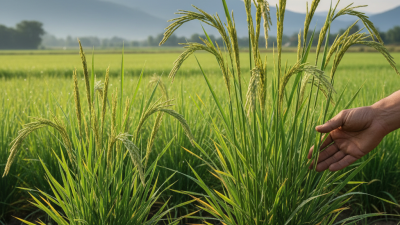
Research shows that gibberellic acid increases growth rates in various plants. For instance, applying it to barley can lead to taller spikes and increased yield. However, the effects can vary significantly among different species.
It is crucial to note that too much gibberellic acid can have negative consequences. Some plants may become overly elongated or unstable. Thus, while gibberellic acid is effective, it requires careful consideration and experimentation for optimal results. The balance is key in harnessing its potential for plant growth.
The Definition and Role of Gibberellic Acid in Plants
Gibberellic acid (GA) is a vital hormone in the plant growth process. It affects various aspects of plant development. From seed germination to flowering, GA plays a crucial role. This natural compound promotes elongation and overall growth. Its influence can be seen in both monocots and dicots.
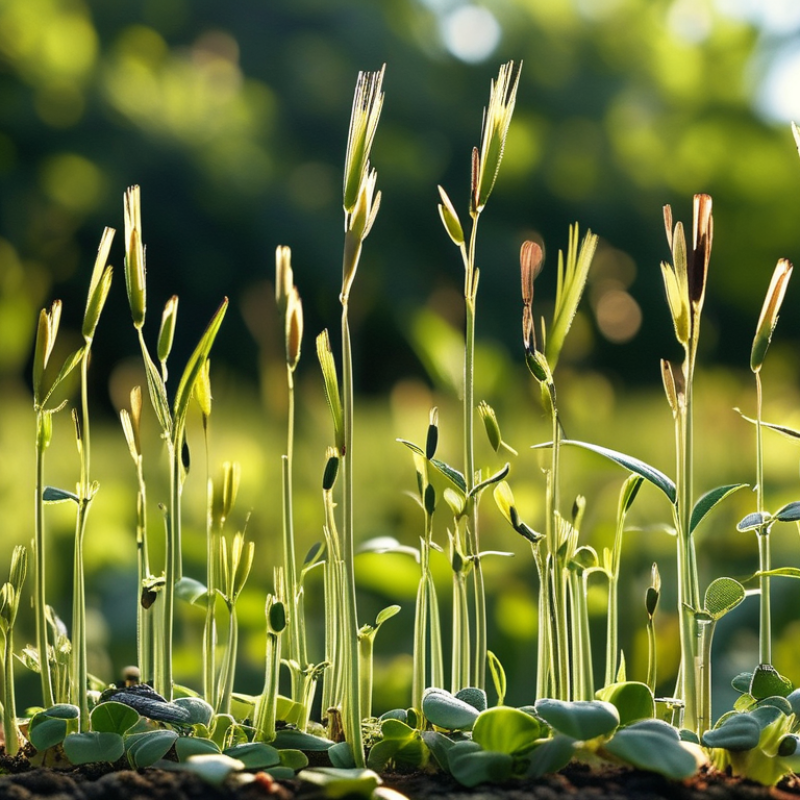
Plants utilize gibberellic acid to stimulate various growth pathways. When seedlings sprout, GA encourages their growth by breaking dormancy. It helps improve seedling vigor and health. GA facilitates the transition to the reproductive stage. Flowers bloom faster in its presence. This acceleration can lead to higher yields in crops, but it requires careful application.
Some areas of GA application remain under-researched. For instance, the long-term effects of high GA levels are unclear. Excessive use can potentially harm plants. It is important to find a balance. Understanding GA's full impact continues to be an ongoing journey for botanists and agronomists. Each discovery leads to new insights into plant development and sustainability.
Impact of Gibberellic Acid on Plant Growth
Mechanisms of Gibberellic Acid Action on Plant Growth
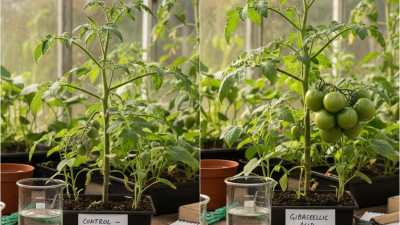
Gibberellic acid (GA) acts as a crucial plant growth regulator. It influences various growth processes, including seed germination, stem elongation, and fruit development. This plant hormone promotes mitotic activity in plant cells, leading to increased growth rates. Reports indicate that plants treated with GA can show up to a 25% increase in height compared to untreated plants.
The mechanisms of GA action involve multiple pathways. It enhances enzyme activity related to cell wall loosening, facilitating cell expansion. Studies have shown that GA can alter gene expression, activating genes linked to growth. For instance, it upregulates the expression of genes promoting the synthesis of enzymes that break down starch reserves in seeds. This process provides essential energy for growth.
Despite its benefits, the application of GA is not without challenges. Overuse can lead to abnormal growth patterns. For instance, excessive elongation and reduced stem thickness might occur. Achieving the right balance in GA application is crucial for optimal growth. Each plant species may respond differently, emphasizing the need for research and careful experimentation.
Effects of Gibberellic Acid on Seed Germination and Development
Gibberellic acid (GA) plays a crucial role in plant processes. It is a plant hormone that promotes growth. Its effects on seed germination are significant. Seeds require specific conditions to sprout. GA helps break dormancy in many species. For instance, certain seeds become more responsive to water and temperature changes when treated with GA.
The application of GA can enhance seedling development. It promotes stem elongation, leading to taller plants. This is particularly beneficial in crops where height is desired. However, excessive application can lead to weak stems. It is a balancing act. Understanding the right dosage is key. Farmers and botanists often experiment to find optimal levels. Observations show that not all plants respond similarly. Some may exhibit stunted growth instead of thriving.
Incorporating GA into cultivation practices can yield impressive results. Yet, it requires careful planning and monitoring. Environmental factors influence how GA works. Overuse might lead to negative impacts, such as vulnerability to diseases. Feedback from growers highlights mixed results. Adjustments and continuous learning are essential to harness GA's full potential.
Influence of Gibberellic Acid on Stem Elongation and Leaf Expansion
Gibberellic acid (GA) plays a crucial role in promoting plant growth. This plant hormone is known for its influence on stem elongation and leaf expansion. When applied, it encourages cells to divide and elongate, leading to taller plants. This effect is particularly evident in species like wheat and barley, where GA treatment results in remarkable height increases.
In addition to stem elongation, gibberellic acid enhances leaf expansion. This is essential for photosynthesis, as larger leaves can capture more sunlight. Healthy leaf growth leads to better nutrient production, ultimately benefiting the entire plant. Observing how plants respond to GA reveals its capacity to transform vegetative growth.
Tips for using gibberellic acid effectively:
- Start with lower concentrations. High doses might cause overstimulation, leading to weak stems.
- Monitor your plants closely after application. Look out for signs of stress or excessive growth, such as drooping leaves or instability.
- Remember, each plant species may respond differently to GA, so experimentation is key.
- Adjustments might be necessary to find the optimal balance for your specific plants.
Applications of Gibberellic Acid in Agriculture and Horticulture
Gibberellic Acid (GA) is a natural plant hormone known to enhance growth. Its applications span various agricultural practices. Farmers often utilize GA to boost seed germination rates. It can shorten the time needed for crops to mature. As a result, plants like barley and wheat show increased yields.
In horticulture, GA is used to promote flowering in specific plants. Certain fruit trees respond well, producing larger fruits. For example, GA can encourage grapes to attain a desirable size and quality. Greenhouse growers may apply it to control plant height and shape, resulting in stronger stems.
However, the use of Gibberellic Acid is not without its challenges. Improper application can lead to excessive growth, creating weak plants. Growers must find the right balance. Over-reliance on GA might diminish a plant's natural growth mechanisms. This could raise concerns about sustainability and long-term effects on soil health. Careful monitoring and research are essential for responsible use.