site_4bbb466c-cafd-4edb-8869-71ed8e60d33a
Excellence in PGR technology
Premium Ceremonial Matcha is more than bright green powder stirred into hot water. It is a carefully produced tea with a vivid color, fine texture, and layered umami. High-quality leaves are often shade-grown before harvest, then steamed, dried, deveined, and slowly stone-ground. The result should feel silky between the tongue and palate. It should also smell fresh, grassy, and slightly sweet.
Tea educator Eric Gower describes matcha as “green tea, intensified.” That idea explains its appeal. You consume the powdered leaf instead of drinking only its infusion. This creates a fuller flavor and a more substantial experience. It also makes quality easier to notice. Stale matcha may taste flat, dusty, or sharply bitter. Fresh Premium Ceremonial Matcha usually offers gentle sweetness, savory depth, and a clean finish.
Still, “ceremonial” is not a universal legal grade. Sellers may use the term differently. That matters. A responsible buyer should examine harvest information, Japanese origin, packaging dates, storage conditions, and independent testing when available. Bright color alone proves very little.
The best cup begins with simple details. Use cool, filtered water. Whisk the powder until a fine foam appears. Watch the surface shimmer.
Yet personal taste remains important. Some drinkers prefer stronger bitterness or a more roasted character. Premium does not mean perfect for everyone. It means carefully made, honestly presented, and worthy of close attention. This guide explores what Premium Ceremonial Matcha is, why people buy it, and how to judge its value without trusting attractive labels alone.
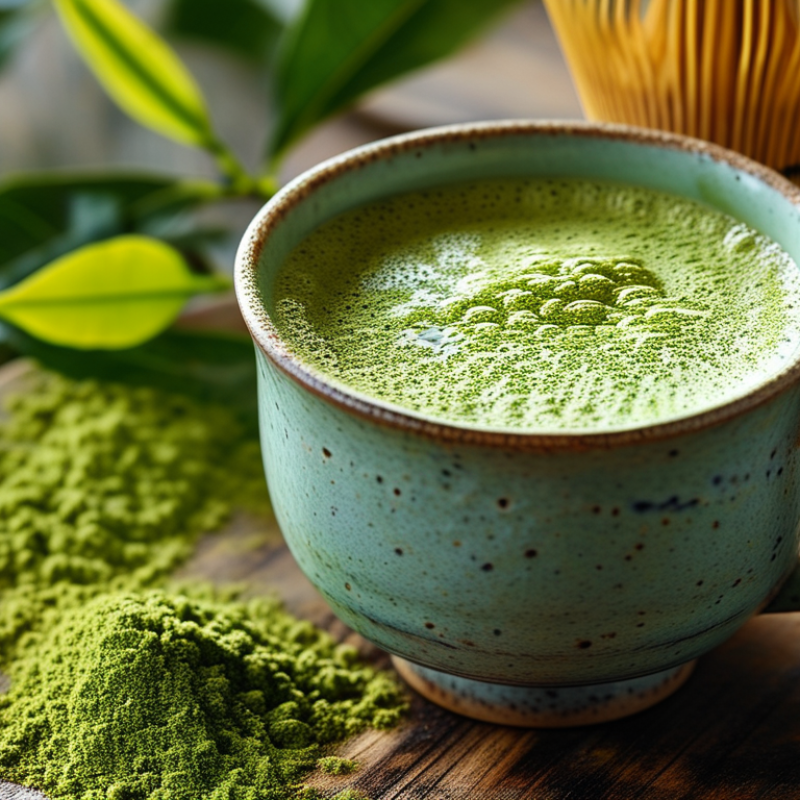
Premium ceremonial matcha is often presented as a formal quality grade. It is not. Japan’s Ministry of Agriculture, Forestry and Fisheries, or MAFF, confirms that “ceremonial” has no universal legal definition in Japan. Sellers may use it differently. The word can describe shade-grown leaves, first harvest timing, stone milling, or simply a smoother flavor. That uncertainty matters. A bright green powder is not automatic proof of excellence.
MAFF reported Japan’s green tea export value at about ¥36.4 billion in 2023. This growth reflects rising global interest, but demand can also encourage loose marketing language. I look for harvest information, growing region, cultivar, milling method, and clear testing details. The powder should feel exceptionally fine between the fingers. In a bowl, it should produce a vivid green foam, with aromas resembling fresh grass, peas, or sea breeze. The taste should be rounded, not aggressively bitter.
I once treated “ceremonial” as a reliable buying shortcut. That was too simple. Price is not reliable evidence either. A premium matcha may deserve its cost when its traceability and sensory quality are consistent. Still, careful comparison remains necessary. MAFF data can show industry scale, not individual cup quality. Read the label critically, then whisk a small serving with warm water before buying more.
Premium ceremonial matcha begins before the bright green powder reaches a bowl. Tea plants are shaded for roughly three weeks before harvest, reducing direct sunlight and encouraging umami-rich compounds. The leaves are picked, steamed, dried, and sorted into tencha, a clean, stem-free leaf material. It is not ordinary green tea ground finer. Good tencha should smell fresh, grassy, and lightly sweet, never dusty or burnt. I have found that aroma often reveals age faster than color alone. Still, this is an imperfect test.
Stone-milling changes the texture. Traditional granite mills turn slowly, helping protect delicate flavor from excessive heat. Production may reach only about 20–40 grams per hour, depending on leaf structure, mill design, and operating conditions. That pace is not a guarantee of quality, but it reflects careful, low-throughput processing. The resulting powder should feel exceptionally fine between the fingers and suspend smoothly in water. A harsh bitterness can signal poor material, heat exposure, or simply an overstrong serving. Ceremonial quality also depends on freshness, storage, and preparation—not a label alone.
Tips: Buy small amounts in opaque, airtight packaging. Check harvest or milling information when available. Store it cool and dry, away from light, odors, and moisture. Sift before whisking with warm, not boiling, water. Start with a modest amount. Taste it plain first. Milk can hide flaws, but it can also make the drink more approachable.
Premium ceremonial matcha is finely milled green tea powder made for drinking, not only cooking. Its quality becomes visible in the bowl. A vivid jade color often suggests careful cultivation, shading, and protection from oxidation. Dull olive tones may signal age or poor storage, although color alone cannot prove freshness. I learned this after comparing two powders under natural window light. The brighter one tasted flatter than expected.
Particle size also matters. Well-made matcha should feel almost silky between the fingers. Smaller particles suspend more evenly in water and create a smoother foam. Grit at the bottom can indicate uneven milling or contamination from poor handling. Umami should feel rounded, like seaweed broth with a gentle sweetness. Harsh bitterness may come from excessive catechins, hot water, or a weak harvest. Taste is useful evidence, but it remains partly subjective.
Tips: Use 70–80°C water and whisk for 15–20 seconds. Examine the powder before judging the flavor. Ask for independent test results when catechin content matters. Catechins are natural antioxidants, but higher numbers do not automatically mean better matcha. Laboratory methods can differ, and labels may simplify complex results. A careful buyer checks harvest information, storage conditions, particle texture, and sensory quality together. Perfect matcha does not exist. Even experienced tasters can disagree.
Japan’s tea exports reached ¥36.4 billion in 2023, according to Japan’s Ministry of Agriculture, Forestry and Fisheries. This figure shows growing international interest in Japanese tea, including matcha. However, export value does not automatically prove quality. Buyers still need to examine origin, harvest information, processing methods, and storage conditions.
Premium ceremonial matcha usually comes from shade-grown leaves picked during an early harvest. Producers remove stems and veins before grinding the leaves into fine powder. The result should look vivid green, feel silky, and smell fresh, with notes of young grass or steamed vegetables. It should dissolve smoothly in water. It should not taste dusty.
Yet “ceremonial” is not a globally fixed legal grade. The term can describe different standards across sellers. That matters. A high price may reflect careful farming, packaging, or simply marketing. Check the production region, harvest date, milling details, and testing information when available. Opaque packaging helps protect the powder from light, heat, moisture, and air. Small details matter.
The best buying decision depends on use. For drinking with water, delicate aroma and low bitterness are important. For lattes, stronger flavor may offer better value. Matcha is not automatically better because it is expensive. Taste remains personal, and even careful buyers can misjudge a first purchase. Reliable information makes that mistake less costly.
What Is Premium Ceremonial Matcha and Why Buy It?
Premium ceremonial matcha begins with careful leaf selection, but the word “ceremonial” is not regulated everywhere. A reliable product should clearly state its growing region, harvest season, and processing method. Single-origin matcha offers better traceability than vague labels such as “Japanese style.” In my experience, fresh matcha smells like sweet grass and opens with a vivid green color. Its foam should look fine, not bubbly or gray.
Freshness matters more than many buyers expect. Check the harvest date, milling date, and best-before date. Matcha slowly loses aroma after opening, especially near heat, light, or moisture. Choose an opaque, airtight container with a small amount inside. A newly opened tin should produce a smooth powder, not hard clumps. Still, texture alone cannot prove quality. Some excellent matcha may taste slightly bitter, particularly when brewed with water that is too hot.
Tips: Compare the region, dates, and test reports before judging the price. Look for independent laboratory testing for heavy metals, pesticide residues, and microbial safety. Results should identify the tested batch, not display a generic promise. Authentic matcha contains finely ground tea leaves and should dissolve into a rich suspension, rather than leaving coarse particles. Taste remains personal, though; sweetness, umami, and bitterness can shift with water temperature and preparation skill. Brewing at about 70–80°C usually reveals more detail. I still find some “premium” powders underwhelming, so transparent evidence matters more than elegant packaging.
A practical comparison of the evidence buyers should look for when evaluating origin, freshness, laboratory testing, and authenticity.
How to read this chart: Each point represents one verifiable buying signal. A higher score means more documentation or label evidence should be checked before purchase; it is not a ranking of any company or brand.
| Cookie | Duration | Description |
|---|---|---|
| _wpfuuid | 11 years | This cookie is used by the WPForms WordPress plugin. The cookie is used to allows the paid version of the plugin to connect entries by the same user and is used for some additional features like the Form Abandonment addon. |
| cookielawinfo-checkbox-analytics | 11 months | This cookie is set by GDPR Cookie Consent plugin. The cookie is used to store the user consent for the cookies in the category "Analytics". |
| cookielawinfo-checkbox-functional | 11 months | The cookie is set by GDPR cookie consent to record the user consent for the cookies in the category "Functional". |
| cookielawinfo-checkbox-necessary | 11 months | This cookie is set by GDPR Cookie Consent plugin. The cookies is used to store the user consent for the cookies in the category "Necessary". |
| cookielawinfo-checkbox-others | 11 months | This cookie is set by GDPR Cookie Consent plugin. The cookie is used to store the user consent for the cookies in the category "Other. |
| cookielawinfo-checkbox-performance | 11 months | This cookie is set by GDPR Cookie Consent plugin. The cookie is used to store the user consent for the cookies in the category "Performance". |
| viewed_cookie_policy | 11 months | The cookie is set by the GDPR Cookie Consent plugin and is used to store whether or not user has consented to the use of cookies. It does not store any personal data. |
| Cookie | Duration | Description |
|---|---|---|
| CONSENT | 2 years | YouTube sets this cookie via embedded youtube-videos and registers anonymous statistical data. |
| vuid | 2 years | Vimeo installs this cookie to collect tracking information by setting a unique ID to embed videos to the website. |