What Is Seaweed Extract Fertilizer and How Does It Work?
Seaweed Extract Fertilizer is made from processed marine algae and is used to support plant growth. Depending on the seaweed and extraction method, it may contain minerals and natural compounds that influence how plants respond to their environment. Its composition varies between products. So, the label matters.
Gardeners commonly apply it as a diluted liquid around roots or as a foliar spray. A faint ocean smell may linger after mixing. Some research suggests seaweed extracts can support root development or help plants cope with stress, but results depend on the crop, product, and growing conditions. They are not a guaranteed fix. Not magic.
It also helps to distinguish seaweed extract from a complete fertilizer. Many extracts provide limited amounts of the major nutrients plants need, so they may not replace a balanced feeding plan. Check the product’s analysis, follow its application directions, and avoid assuming that more will work better. A small trial on a few plants can reveal how a product fits your garden before you use it widely. That step is easy to skip, and worth reconsidering.
This guide explains what seaweed extract contains, how it may affect plants, and what its limits are. It also looks at practical application, product labels, and evidence behind common claims. The science is useful, though not every result translates neatly to every backyard. Understanding that uncertainty can help you make a more informed choice.
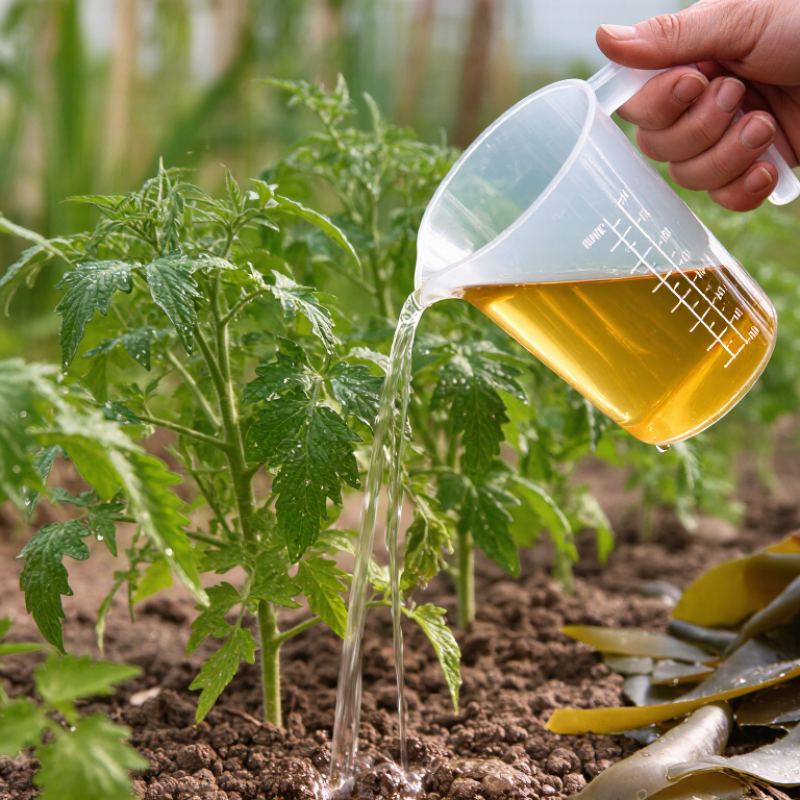
What Seaweed Extract Fertilizer Is
Seaweed extract fertilizer is made from processed marine algae, often brown seaweeds. The algae are washed and extracted into a liquid or dried into a soluble powder. A little often goes a long way. Unlike compost, it is not mainly a source of bulk organic matter. Many extracts contain trace minerals and naturally occurring compounds, such as sugars and amino acids. Their exact composition depends on the seaweed species and how it is processed. Not every batch is alike.
Most extracts provide relatively little nitrogen, phosphorus, or potassium compared with a balanced fertilizer. They are better understood as supplements that may support root growth or help plants respond to stress, not as complete plant food. Results vary with the crop, dose, weather, and soil. Gardeners may dilute a measured amount in water and apply it to soil or leaves, following the product directions. The label matters. I would not assume that greener leaves prove the extract supplied meaningful nutrition; better watering or light could explain the change.
What Seaweed Extract Contains
Seaweed extract is a mixture of compounds from marine algae, not a complete fertilizer with a fixed recipe. Its contents depend on the seaweed species, harvest conditions, and extraction method. Brown seaweeds are commonly processed for agricultural products. Their extracts may contain alginates, mannitol, and other complex carbohydrates that help retain moisture or interact with soil structure. The exact amounts vary. Labels and product analyses are more useful than assuming every extract is alike.
Seaweed extracts can also contain small amounts of amino acids, organic acids, and minerals such as potassium, magnesium, and iron. Some products include trace elements, but concentrations are often too low to replace a balanced fertilizer. Natural plant compounds, including hormone-like substances such as auxins and cytokinins, may also be present. Their levels are variable, and their effects depend on crop, dose, and growing conditions. A dilute application on leaves may behave differently from a soil drench. Results can be subtle. I would not treat seaweed extract as a guaranteed growth booster; checking the analysis and testing a small area first is sensible.
How Seaweed Extract Supports Plant Growth
Seaweed extract supports plant growth through a mix of minerals and naturally occurring compounds, including alginates and plant hormones. Its value is usually not as a complete fertilizer: many extracts contain too little nitrogen, phosphorus, or potassium to meet a plant’s full needs. Think of it as a supplement, not a meal.
When applied to soil or leaves, some extracts may encourage root branching and help plants use available nutrients. A stronger root system can matter in practical ways, such as helping a young tomato recover after transplanting or letting a lawn handle a brief dry spell. Results vary with the seaweed source, extraction method, crop, and growing conditions. It is not a cure-all.
Use the product label for dilution and timing, and avoid applying a stronger mix in hopes of faster growth. Too much can waste product or stress sensitive plants. Watch for changes in new leaves and root growth over several weeks, while keeping normal watering and soil fertility in place. One detail is easy to miss: a response in one bed may not repeat in another.
How to Apply Seaweed Extract Fertilizer
Apply seaweed extract according to the product label; concentrations differ by formulation and extraction method. The FAO’s 2024 State of World Fisheries and Aquaculture reports 37.8 million tonnes of algae production in 2022. That figure reflects a large, varied raw-material supply, not a standard fertilizer strength. For a foliar spray, dilute the extract as directed and use a clean sprayer. Coat both leaf surfaces lightly, without letting liquid run off. Apply in cool morning or evening conditions to reduce rapid drying. For a soil drench, pour the diluted solution around the root zone, not onto dry, dusty soil.
Use a measuring syringe or marked jug rather than estimating a dose. Start with a small area, then watch for leaf spotting or other stress over several days. Seaweed extracts can support plant growth, but results vary with crop, growing conditions, and dose. More is not automatically better. Avoid combining the extract with other inputs unless their labels confirm compatibility. Keep a simple record of the dilution, date, and plant response; it helps, though it will not explain every change.
Tips: Shake the container if the label recommends it. Rinse the sprayer after use. Avoid spraying in strong sun or before heavy rain.
What Is Seaweed Extract Fertilizer and How Does It Work?
Seaweed extract is a plant biostimulant made from seaweed. It is commonly applied as a foliar spray or soil drench. Use the dilution and frequency on the product label, as formulations and directions vary.
How to apply: Follow the label, then apply evenly to foliage or around the root zone. The chart shows example application opportunities in crop-cycle order; the numbers indicate sequence, not dosage or measured effects.
