China Top 10 Fish Collagen Powder Suppliers
Choosing a supplier for Fish Collagen Powder involves more than comparing prices or reading a polished product page. Buyers may need to examine source materials, processing methods, available specifications, and export experience. This guide introduces ten suppliers in China and offers practical points for comparing their products and services. It is a starting point, not a guarantee of quality. Request current documents, and confirm that claims match the product you plan to purchase. Small details matter.
The profiles focus on information buyers can investigate, such as ingredient documentation, batch traceability, sample availability, and communication around custom orders. A supplier’s website can help, but it cannot replace independent checks. Ask for recent test reports and clarify which tests were performed, by whom, and on which batch. Check whether certifications are current and relevant to your intended market. Where possible, compare samples using the same criteria for appearance, smell, solubility, and flavor. No supplier is perfect. That is worth remembering. A missing detail does not automatically mean a supplier is unreliable, but it should prompt a clear question. Use this overview to build a shortlist, then verify the evidence before making a purchasing decision.
Fish Collagen Powder: Product Types, Sources, and Common Uses
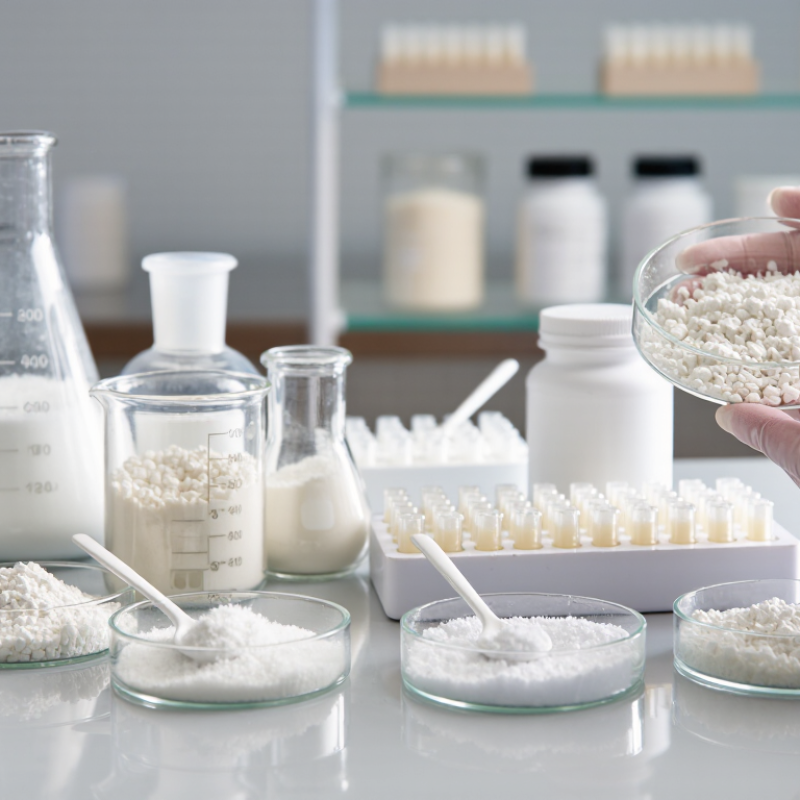
Fish collagen powder is usually made from fish skin or scales, then processed into soluble protein peptides. Most products are hydrolyzed, meaning the protein has been broken into smaller fragments that mix more easily. Fish-derived collagen is commonly associated with type I collagen, though the exact profile depends on the raw material and processing method. The source matters. Skin-based powders may differ in color, odor, and mineral content from scale-based powders.
In food and supplement formulations, the powder may be added to water, smoothies, sachets, or protein blends. A fine, pale powder can disperse quickly, but warm liquid often helps; some products still leave a faint marine note. That detail is easy to overlook. Buyers comparing suppliers can review ingredient origin, processing information, peptide-size data, and independent testing for contaminants and microbiological quality. Clear documentation is more useful than a broad “premium” claim.
Collagen is a protein ingredient, not a guaranteed treatment for skin, joints, or other conditions. Research findings depend on the product, dose, and study design, so results should not be promised from a label alone. One practical limitation remains: fish-derived ingredients are unsuitable for people with fish allergies. Even a clean-looking powder cannot remove that concern. When assessing samples, check how they dissolve in the intended recipe, not just in a laboratory glass.
How to Assess Fish Collagen Powder Suppliers in China
Assessing a fish collagen powder supplier in China starts with evidence, not a polished product sheet. Ask which fish species are used, where raw materials are sourced, and how each batch is tracked. Reliable records should connect incoming materials, production dates, and finished-lot numbers. Small details matter. Request a current certificate of analysis and check protein content, moisture, microbiological results, and heavy-metal testing. Confirm whether an independent laboratory performs the tests and whether reports identify the tested lot.
Processing claims deserve practical questions. Ask about enzymatic hydrolysis, filtration, drying conditions, and the stated molecular-weight range. These factors can affect solubility, odor, and performance in a beverage or powder blend. Compare samples using the same water temperature and mixing time; note foam, sediment, and marine aftertaste. A sample may be excellent, yet full-scale batches can vary. Request specifications for multiple lots and written procedures for handling deviations. Still, documents can look cleaner than factory practice. An on-site or qualified third-party audit can help verify equipment hygiene, storage conditions, and traceability.
Check packaging and commercial reliability too. Moisture-resistant inner liners, clear lot coding, and sealed cartons can reduce quality problems during transport. Discuss minimum order quantities, production lead times, sample retention, and how complaints are investigated. Ask for a technical contact, not only a sales reply. No single test proves everything. Fish collagen can have a noticeable smell, and preferences differ. Set acceptance limits before ordering, then keep your own retained sample for comparison.
Profiles of Ten Chinese Fish Collagen Powder Suppliers
These ten supplier profiles are practical buyer-facing examples, not a verified ranking of named companies. One coastal processor may focus on fresh marine raw materials. A second may offer finely milled powder for easy mixing. A third might specialize in neutral flavor, while a fourth develops products with smaller peptide sizes. A fifth could support custom packaging. A sixth may emphasize batch testing. A seventh might handle export documentation. An eighth could offer several mesh sizes. A ninth may provide flexible order volumes. A tenth might focus on traceable sourcing. Details matter.
Tips: Ask for a recent specification sheet, test results, and clear information about fish species and origin. Check whether the stated protein content and solubility match your needs.
These profiles are useful starting points, not proof of quality. Compare sample batches, production capacity, and response times before making a decision. A powder that dissolves well in cold water may behave differently in a warm drink. I would also check how suppliers define “low odor,” since the term can be subjective. If answers are vague, request measurable details. Supplier strengths can change between batches, so keep records of samples and documents.
Choosing a Supplier for Your Product and Market Needs
Choosing among China’s fish collagen powder suppliers starts with your product brief, not the lowest quotation. A drink mix may need fast dissolution and a mild taste, while capsules may prioritize protein content and compact packaging. Ask for the fish species, raw-material origin, processing details, and batch-specific certificates of analysis. The FAO’s The State of World Fisheries and Aquaculture 2024 reports 185.4 million tonnes of aquatic animal production in 2022; 89% was used for direct human consumption. This gives useful supply-chain context, but it does not verify any supplier’s collagen quality. Check that each claim is supported by records.
Request test results for protein, moisture, microbiological quality, and relevant contaminants, then confirm which methods the laboratory used. Compare samples in your actual formula, at the intended serving size. Small details matter. A powder can smell acceptable in a sample jar but taste different in a sweetened drink. I would not treat one good sample as proof; one batch is only one batch. Discuss minimum order quantities, lead times, packaging barriers, and shelf-life evidence against your sales forecast. For export markets, confirm that documents and product specifications match the destination’s requirements with a qualified local adviser.
