2026 Top Applications of GA3 Gibberellic Acid in Agriculture and Horticulture?
GA3 gibberellic acid is gaining recognition in agriculture and horticulture. This plant hormone plays a vital role in growth and development. Its application can lead to impressive results in crop yield and quality.
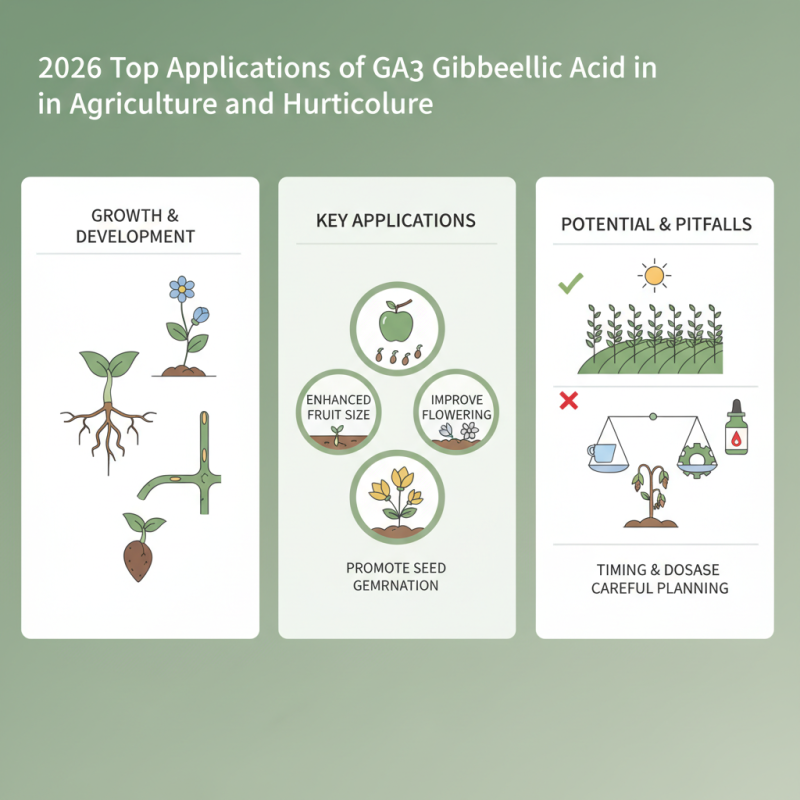
Farmers and horticulturists use GA3 gibberellic acid for various purposes. For instance, it can promote seed germination, enhance fruit size, and improve flowering. The benefits are significant, but challenges exist. Not all crops react positively to this treatment. Understanding the threshold of application is crucial.
Moreover, the timing and dosage significantly impact outcomes. Overapplication can lead to stunted growth or reduced quality. Therefore, careful planning is necessary. As we explore GA3 gibberellic acid applications, let's consider both its potential and pitfalls. It is a tool that must be wielded wisely. The journey into the world of GA3 gibberellic acid inspires reflection and innovation in agricultural practices.
Overview of Gibberellic Acid (GA3) and Its Characteristics in Agriculture
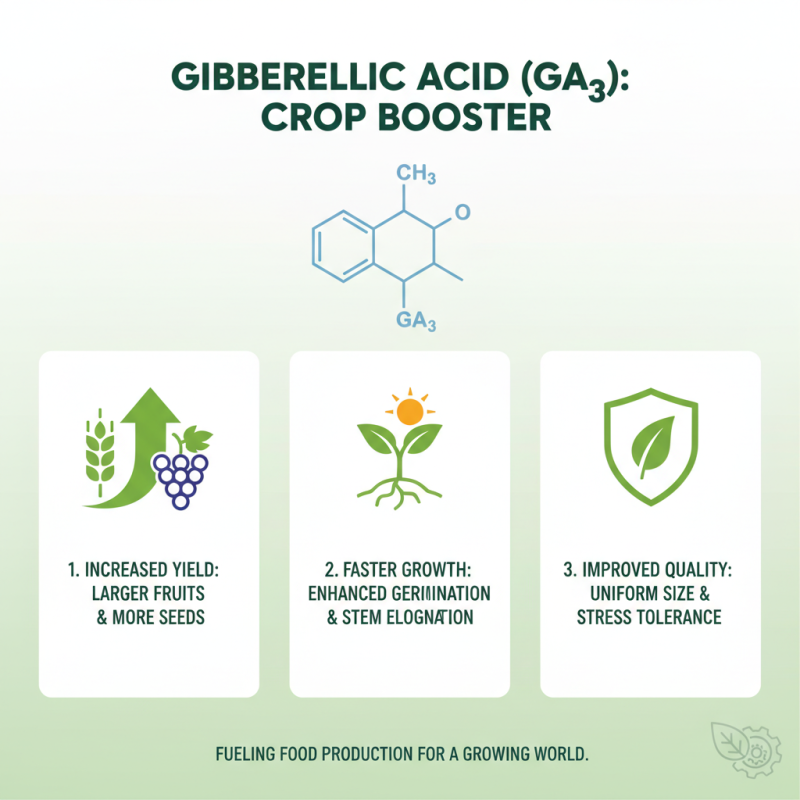
Gibberellic Acid (GA3) is a natural plant hormone. It plays a vital role in plant growth. This compound stimulates cell elongation and seed germination. Its application can significantly enhance crop yields and quality. According to a recent industry report, GA3 usage has increased by 15% in the last three years in various agricultural sectors.
In horticulture, GA3 is beneficial for fruit development. It promotes larger fruit size and improves color. These characteristics can result in better market value. Some studies indicate that GA3 can improve flowering in certain crops by up to 30%. Proper application timing is crucial. Overuse can lead to undesirable effects, like excessive vegetative growth.
Tips: Always test GA3 on a small plant area first. Monitor the results to adjust your application methods. Ensure proper environmental conditions when applying GA3 to maximize its effectiveness. Mistakes happen – sometimes, the expected results do not occur. Reflecting on past applications can guide better practices in the future. Adjustments are key to achieving desired outcomes.
GA3's Role in Flowering and Fruit Development Across Various Cultivars
Gibberellic acid (GA3) plays a vital role in flowering and fruit development. Research indicates that GA3 application can enhance the yield of various cultivars. For instance, in grapes, GA3 treatment has been shown to increase fruit size by 20-30%. This growth stimulant works by regulating hormones that promote flowering and fruit maturation. The timing of application is critical. Early applications can lead to poor fruit set, while late applications might not yield optimal results.
In citrus fruits, GA3 has been linked with improved fruit quality. A study reported that GA3-treated trees produced fruits with higher sugar content. However, the response can vary by cultivar. Some cultivars may not respond significantly to GA3, leading to mixed results. Farmers must experiment and monitor their specific conditions. This need for trial and observation often leads to resource challenges.
Despite its benefits, there are limitations. Over-reliance on GA3 can result in hormonal imbalance. Such imbalances can stunt growth or harm fruit quality. Growers need to consider the particular needs of their crops. Balancing GA3 use with other agricultural practices can help achieve better outcomes. This holistic approach may lead to more sustainable farming practices in the long run.
2026 Top Applications of GA3 Gibberellic Acid in Agriculture and Horticulture
| Application Area |
Plant Type |
Effect on Flowering |
Effect on Fruit Development |
Recommended Dosage (mg/L) |
| Vegetable Crops |
Tomato |
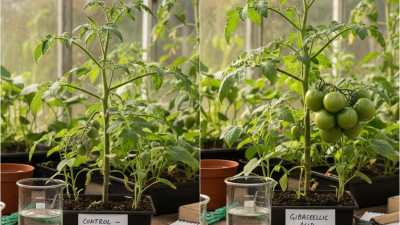
Promotes early flowering and increases fruit set |
Enhances fruit size and quality |
50-100 |
| Fruit Trees |
Apple |
Increases flower number and improves bud burst |
Improves uniformity of fruit set and enhances fruit development |
30-50 |
| Grain Crops |
Rice |
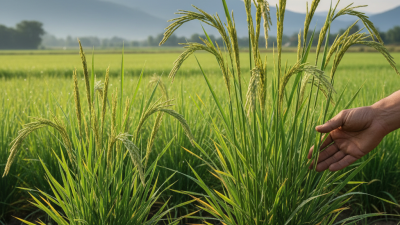
Stimulates panicle formation |
Increases grain yield and quality |
20-40 |
| Flowering Plants |
Orchids |
Encourages blooming and enhances flower size |
May enhance the longevity of blooms |
100-200 |
| Nut Crops |
Almond |
Increases flowering potential |
Boosts nut yield and improves kernel quality |
40-80 |
Innovative Methods of GA3 Application in Horticultural Practices
Gibberellic acid (GA3) is becoming a staple in horticultural practices.
Innovative methods for its application are changing how we grow plants.
Research shows that using GA3 can enhance growth and improve crop yield.
It's vital to apply it correctly to witness its benefits.
When using GA3, timing is crucial.
Apply it during key growth stages for maximum effect.
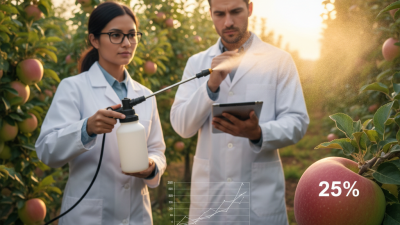
Spray it on young shoots or fruits for even better results.
Keep in mind that overuse can cause adverse effects.
Always start with lower concentrations and monitor plant responses.
Tips: Test in small areas first.
Observe how plants react to GA3. Adjust your methods based on performance.
Experiment with different application techniques like foliar sprays or soil drenches.
Each method has its own potential.
Remember, not all plants will respond the same way.
Some may thrive, while others may show limited improvement.
Don't hesitate to tweak your approach as needed.
Being flexible allows for better outcomes in your horticultural efforts.
Challenges and Considerations in the Use of GA3 in Sustainable Farming Systems
The use of GA3 gibberellic acid in sustainable farming systems presents notable challenges. Farmers often face uncertainties about its long-term effects. For instance, while GA3 can enhance plant growth, it may disrupt natural growth cycles. Excessive application can lead to reduced fruit quality. Sustainable practices should prioritize balance.
Another consideration is the potential environmental impact. GA3 might affect local ecosystems and pollinator behavior. Careful monitoring is essential. Farmers should be aware that over-reliance on chemical growth regulators may lead to decreased soil health. Exploring organic alternatives could be beneficial for biodiversity.
Moreover, farmer education plays a critical role. Understanding the optimal application timing and dosage is key. Misapplication can result in wasted resources and poor crop yield. Engaging in community discussions can help raise awareness of these challenges. As growers navigate these complexities, a thoughtful approach is crucial for integrating GA3 into sustainable practices.