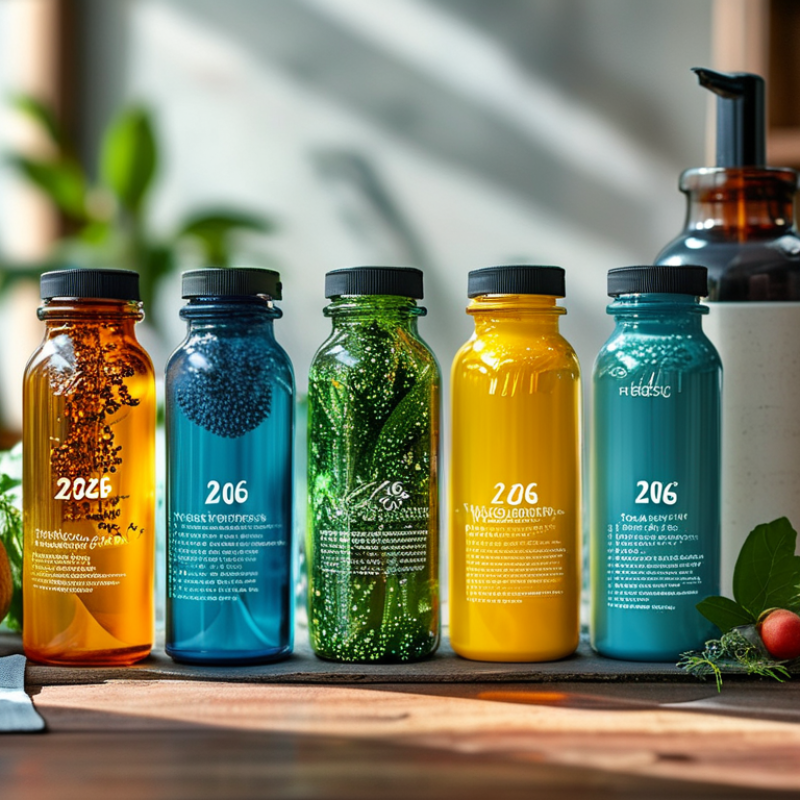
Top 10 Vitamin Bottle Packaging Trends for Buyers in 2026
The future of Vitamin Bottle Packaging is evolving rapidly. As we look towards 2026, buyers must stay informed about emerging trends. Packaging is not just about aesthetics. It plays a critical role in branding and consumer trust.
In the vitamin market, effective packaging can enhance user experience. Innovative designs capture attention while maintaining functionality. Eco-friendly materials are becoming a necessity. Buyers increasingly prefer sustainable options. Yet, navigating these choices can be challenging.
With the rise of online shopping, packaging must ensure product safety during transit. The challenge lies in balancing protection with environmental responsibility. In this dynamic landscape, understanding these trends is crucial for making informed decisions. The right Vitamin Bottle Packaging can elevate brand identity and consumer satisfaction.
Emerging Sustainable Materials in Vitamin Bottle Packaging
In 2026, the vitamin packaging landscape is evolving significantly. Consumers demand more sustainable options in every aspect of their purchases. Companies are responding with innovative materials that reduce environmental impact. Biodegradable plastics are gaining traction, offering a viable alternative to traditional petroleum-based options. These materials decompose more quickly, minimizing landfill contributions.
Additionally, recycled materials are becoming increasingly popular in vitamin bottle design. Manufacturers are using post-consumer recycled content to create new packaging. This practice not only conserves resources but also lowers carbon emissions associated with production. However, there are challenges. The cost of sourcing and processing recycled materials can be high. Some companies struggle to balance cost and sustainability.
Emerging technologies are paving the way for compostable and plant-based plastics. These innovations could change how vitamins are packaged entirely. Monitoring the durability and safety of such materials is crucial. It raises questions about how long these new options will last on shelves. As the market grows, ongoing research and development are essential to ensure that product quality is not compromised.
Top 10 Vitamin Bottle Packaging Trends for Buyers in 2026
Innovative Design Trends for Enhanced User Experience in 2026
When considering vitamin bottle packaging for 2026, user experience is paramount. Recent studies indicate that 70% of consumers prefer packaging that enhances usability. This preference drives innovation in design, making packaging more intuitive. Features like easy-to-open lids and clear measurement indicators are becoming essential. These elements not only simplify daily routines but also encourage consistent usage.
Sustainability is also a major concern. Research from the World Packaging Organization highlights that 62% of consumers prioritize eco-friendly packaging. As a result, companies are increasingly turning to biodegradable materials and recyclable options. Transparency in ingredient sourcing is another trend. Packaging that clearly lists ingredients and their benefits can significantly boost consumer trust, which is crucial in an era where informed choices matter.
Lastly, aesthetic appeal cannot be overlooked. Studies show that 54% of buyers are attracted to visually striking designs. As brands aim to capture attention, unique colors and textures are being explored. However, there’s a challenge: balancing aesthetics with functionality. Packaging needs to look good but also serve its purpose effectively. This balance will define successful designs in the competitive vitamin market.
Smart Packaging Solutions for Tracking and Information Sharing
Smart packaging solutions are vital for the vitamin industry in 2026. They enhance tracking and information sharing. According to a report by MarketsandMarkets, the smart packaging market is expected to grow to $41.5 billion by 2026. This rise is fueled by the increasing demand for product traceability and safety.
Integrated technology is becoming commonplace in packaging. RFID and NFC chips allow consumers to access detailed product information through their smartphones. This trend not only aids in tracking but also enhances customer engagement. Studies suggest that 72% of consumers prefer interactive packaging that provides real-time information.
However, challenges remain in implementation. Not all manufacturers are equipped with the necessary technology. Additionally, not all consumers are aware of how to use smart packaging features. Ongoing education is needed to ensure that the benefits of smart packaging are realized fully. As the industry evolves, balancing technology with usability will be critical for success.
Customization and Personalization in Vitamin Packaging for Consumers
Personalization in vitamin bottle packaging is becoming essential for consumers. In 2023, 70% of shoppers expressed a preference for products tailored to their needs, according to a recent report by the Packaging Association. This trend will only accelerate by 2026. Custom designs can enhance consumer engagement. Unique shapes, colors, and materials set brands apart in a crowded marketplace.
Customization is not just about aesthetics; it reflects consumer values. Research shows that 65% of consumers are willing to pay more for personalized packaging. They appreciate products that address their individual health goals. However, achieving effective personalization can be challenging. Brands must balance between personalization and practicality. Too much customization may lead to higher production costs and complexity in supply chains.
As brands strive for a personal touch, the use of smart packaging technology is on the rise. Interactive labels and QR codes engage consumers, creating a dynamic buying experience. A study from the Health and Wellness Packaging Conference indicates that brands leveraging technology increase customer loyalty by 40%. However, not all consumers are tech-savvy. Brands must consider inclusivity to avoid alienating potential customers. Striking the right balance in customization will be crucial moving forward.
Impact of E-commerce on Vitamin Bottle Packaging Choices
E-commerce is reshaping the vitamin market. As online shopping gains momentum, packaging choices reflect consumer preferences for convenience and sustainability. Buyers increasingly prioritize lightweight materials, eco-friendly designs, and user-friendly features. Brands must adapt to these needs to capture a growing customer base.
Sustainability remains a significant concern. Many consumers today seek products that minimize environmental impact. Brands are choosing biodegradable or recyclable materials for vitamin bottles. This shift not only appeals to eco-conscious buyers but also reinforces a brand's commitment to sustainability. It can drive loyalty and enhance reputation.
When designing vitamin packaging for e-commerce, consider one critical aspect: user experience. Packaging should be easy to open and reseal. Clarity is important too; customers need to identify the product quickly. Invest in innovative designs while balancing functionality and appeal. This approach can lead to higher satisfaction rates and more repurchases.