2025 How to Use Gibberellic Acid for Healthy Plant Growth
Gibberellic acid for plants is a powerful plant growth regulator that has gained popularity among gardeners and agriculturalists alike, owing to its remarkable ability to enhance various aspects of plant development. This naturally occurring diterpene is one of the key gibberellins produced by fungi and plays a crucial role in processes such as seed germination, flowering, and fruit development. As we approach the year 2025, understanding how to effectively utilize gibberellic acid for healthy plant growth is more important than ever.
By harnessing the potential of gibberellic acid, horticulturists can promote faster growth rates, higher yield, and improved quality of produce. As environmental challenges and food security become increasingly pressing issues, the application of gibberellic acid offers a solution that can help optimize plant performance, particularly in diverse agricultural settings. This guide will explore the various methods and best practices for using gibberellic acid for plants, illustrating how implementing this plant growth regulator can lead to significantly enhanced growth and productivity. Whether you are a novice gardener or an experienced farmer, understanding gibberellic acid's role in plant physiology can unlock new possibilities for your gardening or farming endeavors.

What is Gibberellic Acid and Its Role in Plant Growth
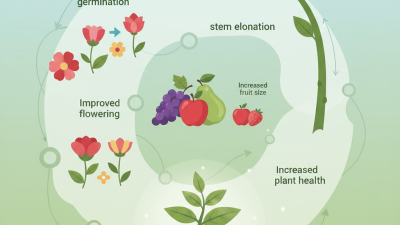
Gibberellic acid (GA3) is a plant hormone that plays a crucial role in various growth processes, including seed germination, stem elongation, flowering, and fruit development. According to a study published in the "Journal of Plant Growth Regulation," GA3 significantly influences the elongation of plant cell walls, which directly contributes to overall growth and development. This hormone promotes growth by stimulating the production of enzymes that break down starch, thereby providing the necessary energy for young and developing plants.
In agricultural practices, gibberellic acid has been found to enhance crop yield and quality. Research conducted by the American Society of Horticultural Science indicates that the application of GA3 can boost the growth rate of various crops, such as tomatoes and grapes, by up to 30%. Moreover, it has been shown to improve fruit setting and size, leading to better marketability. The versatility of gibberellic acid in agricultural applications demonstrates its potential to help farmers achieve healthier and more productive crops while responding to the increasing global food demand.
2025 How to Use Gibberellic Acid for Healthy Plant Growth
| Aspect |
Details |
| What is Gibberellic Acid? |
A plant hormone that promotes growth and elongation in plants. |
| Role in Plant Growth |
Stimulates seed germination, encourages vegetative growth, and enhances fruit development. |
| Common Uses |
Used in agriculture to increase crop yield and quality. |
| Application Methods |
Foliar sprays, seed soaking, and soil applications. |
| Recommended Concentration |
Typically between 50 to 200 ppm (parts per million). |
| Safety Precautions |
Wear gloves and avoid inhalation; keep out of reach of children. |
| Environmental Impact |
Generally considered safe, but overuse can lead to imbalances in plant growth. |
Benefits of Using Gibberellic Acid for Plant Development
Gibberellic acid (GA3) is a naturally occurring plant hormone that plays a critical role in promoting growth and development in various plants. Research indicates that its application can lead to enhanced seed germination, improved fruit development, and elongated growth in crops. A study published in *Agronomy Journal* found that treated plants showed a staggering 20-30% increase in overall growth compared to untreated controls, demonstrating the powerful benefits of this hormone in agricultural practices.
One of the remarkable advantages of gibberellic acid is its ability to break dormancy in seeds. By applying GA3, growers can ensure a higher germination rate, particularly in species with notoriously low germination percentages. Additionally, gibberellic acid promotes stem elongation, which can lead to taller and sturdier plants. This is particularly beneficial for crops intended for commercial production, as height can impact the yield and quality of the harvest.
**Tips:** When applying gibberellic acid, it is crucial to follow the recommended concentration levels, which typically range from 50 to 200 ppm, depending on the plant species. To achieve the best results, consider applying GA3 during the early stages of growth or when specific growth traits are desired. Always conduct a small-scale trial before widespread application to gauge the hormone's effect on your plants. Additionally, ensure that environmental conditions, such as temperature and humidity, are optimal for GA3 efficacy.
How to Properly Apply Gibberellic Acid to Your Plants
Gibberellic acid (GA) is a powerful plant growth regulator that can significantly enhance the growth and development of your plants. To properly apply gibberellic acid, it’s essential to follow specific guidelines to ensure the best results. Begin by preparing a diluted solution, typically between 10 to 100 ppm, depending on the type of plant and desired effect. Using warm water can help dissolve the acid more effectively. It is advisable to apply the solution in the early morning or late afternoon when temperatures are cooler, allowing the plants to absorb the nutrients without stress.
Tips: Always test a small area of your plants first to observe how they respond before applying the solution more broadly. This can prevent damage or unwanted side effects. Additionally, ensure that your plants are well-hydrated before application to promote better absorption of gibberellic acid.
When applying the solution, use a spray bottle for even distribution or a watering can for soil applications. Make sure to cover the foliage and the roots effectively to maximize uptake. Reapplication may be necessary after a few weeks, especially for slower-growing or fruiting plants. Always monitor your plants for any changes after application, as some species may respond more dramatically than others.
Recommended Concentrations and Application Methods
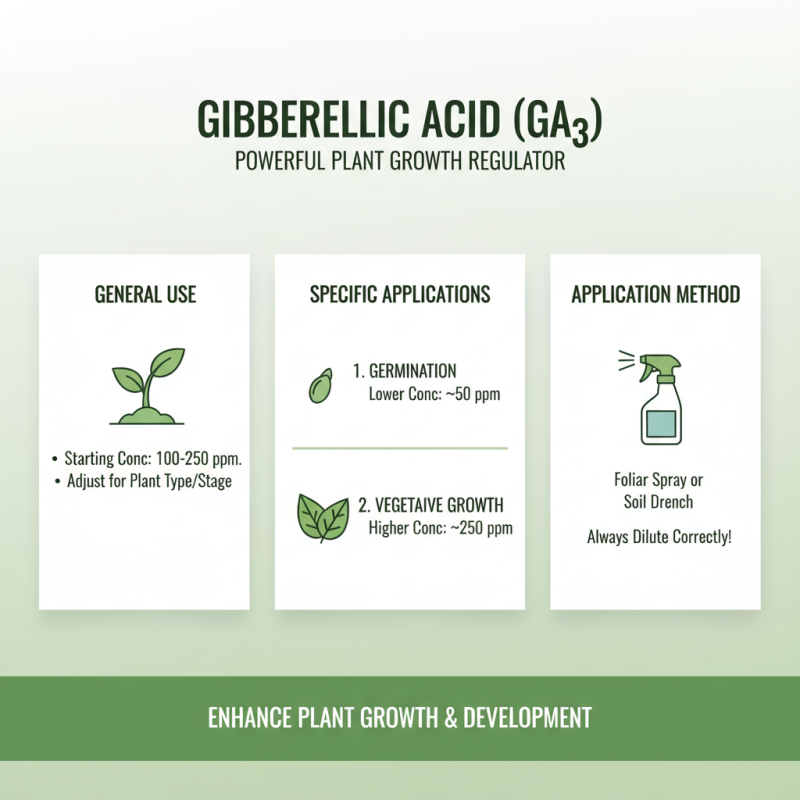
Gibberellic acid (GA3) is a powerful plant growth regulator that can significantly enhance plant growth and development when used correctly. To achieve the best results, it's essential to understand the recommended concentrations and application methods for different plant types. A typical starting concentration for GA3 is around 100-250 ppm (parts per million), which can be adjusted based on specific plant needs and growth stages. For germination, a lower concentration around 50 ppm can be effective, while for vegetative growth, concentrations closer to 250 ppm may provide beneficial effects.
When applying gibberellic acid, it is crucial to choose the right method. Foliar application is often recommended, as it allows the plants to absorb the hormone directly through their leaves. This can be done by mixing gibberellic acid with water and spraying it onto the foliage. Another approach is soaking seeds in a GA3 solution before planting, which can promote faster germination and stronger seedlings. Always perform a patch test on a small plant area to monitor for any adverse reactions before full application.
Tips: Always measure the gibberellic acid accurately to avoid overdosing, which may lead to undesirable growth effects. Additionally, timing your application is vital; the best results are typically seen when applied during the early growing season or at critical growth stages. Keeping the environmental conditions in check, such as light and temperature, can further enhance the effectiveness of gibberellic acid treatments.
Potential Risks and Considerations When Using Gibberellic Acid
When considering the use of gibberellic acid (GA3) for promoting healthy plant growth, it is crucial to address the potential risks and considerations associated with its application. While many studies indicate that gibberellic acid can significantly enhance growth rates, seed germination, and flowering processes, excessive use can lead to undesirable effects. Research conducted by the American Society of Horticultural Science suggests that high concentrations of GA3 can result in abnormal growth patterns, such as elongated stems and weak plant structures, which may ultimately compromise plant stability and resilience against pests and diseases.
Moreover, the timing and method of application are pivotal in ensuring the efficacy of gibberellic acid while minimizing its risks. A report from the International Journal of Plant Biology notes that improper timing can disrupt the plant's natural growth cycles, potentially leading to issues like poor fruit set or delayed maturation. Additionally, potential phytotoxicity can arise from inappropriate mixing or application techniques, leading to leaf burn or stunted growth. Therefore, growers are encouraged to conduct thorough research and adhere to recommended application guidelines to leverage the benefits of gibberellic acid while mitigating potential drawbacks.
Effects of Gibberellic Acid Concentration on Plant Growth
This bar chart illustrates the relationship between different concentrations of Gibberellic Acid and the average height of plants. As the concentration increases from 0 ppm to 150 ppm, we observe a general trend of increased plant height, indicating potential benefits of Gibberellic Acid in promoting growth. However, higher concentrations (200 ppm) show a decrease in height, suggesting possible risks or toxicity at elevated levels.