site_4bbb466c-cafd-4edb-8869-71ed8e60d33a
Excellence in PGR technology
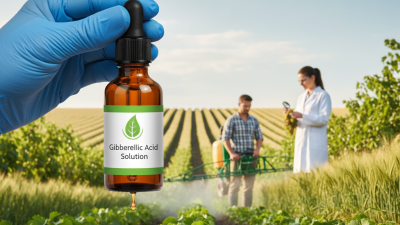
Seed germination can look simple: add moisture, provide warmth, and wait. Yet many seeds remain dormant because their internal growth signals are carefully balanced. Gibberellic acid can help shift that balance, especially when dormancy limits uniform sprouting. This guide examines the 2026 top options for gibberellic acid germination, focusing on formulation quality, concentration control, seed compatibility, and practical results.
Dr. Peter Hedden, a leading gibberellin researcher, explains, “Gibberellins regulate plant growth and development.” That principle matters in real use. A weak solution may produce little change, while an excessive dose can create thin, overstretched seedlings. Small details matter. Seed age, storage conditions, temperature, soaking time, and water quality can all influence performance. A clean tray, measured dilution, and consistent observation are more valuable than impressive packaging.
The products discussed here are not ranked by advertising alone. Their usefulness depends on testing, transparent labeling, batch consistency, and instructions that growers can actually follow. In practice, one seed lot may respond quickly, while another needs a different approach. That uncertainty deserves attention. Gibberellic acid germination is a tool, not a guarantee. A careful grower should compare treated and untreated seeds, record emergence rates, and adjust gradually. Some recommendations may still need refinement as new 2026 products appear. The best choice is therefore the one that fits the crop, the seed condition, and the grower’s measured objectives.
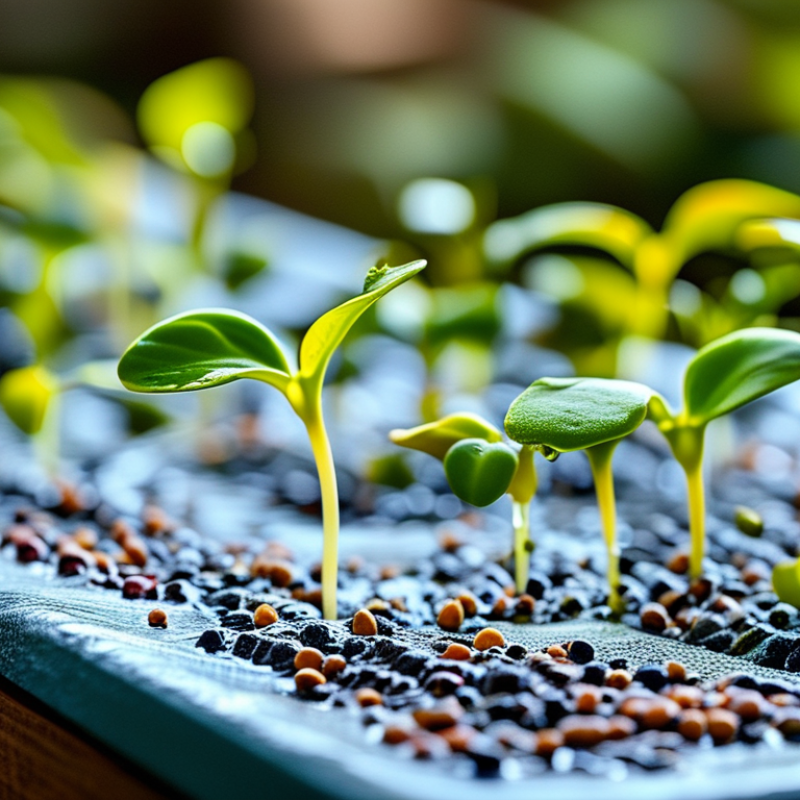
Gibberellic acid, or GA3, is a plant hormone that helps break seed dormancy and encourage embryo growth. It can stimulate enzymes that convert stored starch into usable energy. This supports faster radicle emergence, especially in seeds with physiological dormancy. The International Seed Testing Association’s 2024 Rules emphasize controlled temperature, moisture, and repeatable germination counts. GA3 cannot replace these basics. Poor storage still weakens seed performance.
Research reports show that responses vary sharply by species, cultivar, dose, and soaking time. A 2023 review in Plants found improved germination in several dormant crops, but excessive GA3 sometimes produced thin stems and weak seedlings. That detail matters. Faster emergence is not always stronger establishment. From practical trials, small concentration changes can alter results. I would not treat one successful batch as universal evidence.
Tips: Begin with a small seed sample. Compare untreated seeds with one low-dose treatment. Record concentration, soaking time, temperature, germination percentage, and seedling strength. Follow the product label and local agricultural rules. Use clean water and avoid prolonged soaking. If roots appear pale or unusually long, reduce the dose. Always verify results through repeated trials and recognized testing methods, rather than relying on appearance alone.
2026 Top Gibberellic Acid for Seed Germination
How to Choose the Best Gibberellic Acid Formulation in 2026
Choosing the best gibberellic acid formulation in 2026 starts with the seed, not the package. Different crops and dormancy levels need different concentrations. A soluble powder suits growers who measure small batches carefully. A liquid concentrate may mix faster, but its stability depends on storage and water quality. Check active-ingredient percentage, lot number, expiry date, and full directions. Clear labeling matters more than polished claims. It saves guesswork.
For small seed lots, choose a formulation that dissolves without sediment. Undissolved particles can create uneven exposure across a tray. Use clean, room-temperature water unless the label specifies otherwise. Measure with calibrated equipment, then test a small group before treating the full batch. Record concentration, soaking time, temperature, and germination rate. This simple log supports repeatable decisions. In practical trials, stronger solutions often produce weaker seedlings. That observation is useful, but not universal.
Storage deserves equal attention. Keep the product sealed, dry, and away from heat or direct sunlight. Avoid formulations with damaged seals, unclear instructions, or inconsistent batch information. Confirm that the product is permitted for your crop and intended use in your region. Follow protective equipment and disposal instructions exactly. A small trial remains essential because seed age, moisture, and dormancy can change the outcome. Even a technically sound formulation may disappoint when the seed lot is poor.
| Formulation Type | Typical Physical Form | Practical Working Concentration for Seed Treatment | Best-Suited Applications | Main Advantages | Important Limitations | Selection Guidance |
|---|---|---|---|---|---|---|
| High-purity technical powder | Fine white to off-white powder; concentrated active ingredient | 50–500 mg/L Use a calibrated scale for preparation. |
Research trials, seed laboratories, and large-volume treatment where concentration control is important | Flexible dosing; low transport volume; suitable for preparing customized solutions | Gibberellic acid has limited water solubility and may require a suitable solvent or dissolution method specified by the supplier; weighing errors can cause over-application | Choose this form when trained users can accurately weigh, dissolve, and document the treatment |
| Water-soluble powder | Powder designed to disperse or dissolve in water after mixing | 50–500 mg/L Follow the product label for mixing order and water temperature. |
Routine seed soaking, small-scale nursery work, and general agricultural use | Convenient storage; easier handling than technical powder; normally simpler to measure | Actual dissolution performance depends on formulation aids, water quality, temperature, and active-ingredient concentration | Often the most practical choice when the label provides clear dilution instructions and the required dose range |
| Ready-to-use aqueous solution | Pre-mixed liquid solution | Label-specific Common working solutions are prepared by dilution rather than direct weighing. |
Small batches, educational trials, greenhouse seed treatments, and users prioritizing convenience | Fast preparation; no powder handling; consistent mixing when stored and used correctly | Lower storage stability after opening may occur; freezing, heat, light, and prolonged storage can affect product quality | Choose a liquid when accurate dilution instructions, a clear expiration date, and suitable storage conditions are available |
| Soluble liquid concentrate | Concentrated liquid requiring dilution before use | Label-specific Calculate the final concentration from the stated active-ingredient content. |
Repeated treatment of multiple seed lots and operations that already use liquid application equipment | Efficient for repeated dosing; convenient for larger treatment volumes; easy to integrate into measured spray or soak systems | Requires accurate volumetric measurement; concentrated liquids may need agitation and protection from unsuitable temperatures | Select this format when a consistent liquid workflow is more important than minimum package volume |
| Low-dose seed-treatment formulation | Powder or liquid formulated for direct seed use | Usually below 100 mg/L The exact dose is crop- and formulation-dependent. |
Seeds that are sensitive to excessive elongation or abnormal seedling growth | Lower risk of unintentionally applying a high concentration; easier to align with conservative trial protocols | May not provide enough dormancy-breaking effect for species requiring stronger treatment; performance depends strongly on seed quality | Prefer a low starting concentration and conduct a small germination test before treating the full seed lot |
| Higher-dose dormancy-breaking formulation | Concentrated powder or liquid intended for controlled pre-treatment | 100–500 mg/L Higher concentrations should be tested cautiously and used only when appropriate for the species. |
Selected dormant or physiologically difficult seeds when a validated protocol supports gibberellic acid use | May help overcome certain forms of physiological dormancy and improve uniformity in suitable species | Excessive concentration or exposure time can produce weak, elongated, or abnormal seedlings; it is not a substitute for scarification, stratification, or temperature treatment when those are required | Use only after checking crop-specific research or label guidance and comparing treated seeds with an untreated control |
| Research-grade standardized solution | Precisely prepared solution with a stated concentration | 10–500 mg/L Selected according to the experimental protocol. |
Germination studies, replicated trials, cultivar comparisons, and protocol development | Supports repeatable experiments and clearer comparison between seed lots or treatments | Higher cost per treated volume; laboratory handling and storage requirements may apply | Best for controlled testing where concentration accuracy and traceable preparation are more important than application cost |
Important: Gibberellic acid, commonly called GA3, does not work equally well on every crop or type of dormancy. A concentration of 1 mg/L is approximately 1 ppm in dilute water-based solutions. Always follow the applicable product label, use an untreated control, and test a small seed sample before treating a complete lot. Wear appropriate protective equipment and verify local regulatory requirements.
Gibberellic acid, often called GA3, can stimulate germination when dormancy limits early growth. FAO’s 2023 Statistical Yearbook reports more than 3.1 billion tonnes of global cereal production in 2021. Small improvements in establishment can therefore matter across large production systems.
A practical starting range is 50–250 mg/L, but species and seed age change the response. Begin conservatively.
For a 1-liter, 100 mg/L solution, dissolve 0.1 grams of pure GA3. If the powder is 90% active, weigh 0.111 grams.
GA3 dissolves slowly in cold water. Wet it first with a small volume of ethanol, then add clean water gradually. Keep the final ethanol level low.
Adjust the solution near pH 5.5–6.5, and avoid strongly alkaline mixtures. Use freshly prepared solution in an opaque container. Light and heat are unhelpful.
Soak seeds for 4–12 hours, depending on seed size and species. Spread them on clean paper afterward. Do not leave them submerged until oxygen becomes limited.
The International Seed Testing Association emphasizes controlled moisture, temperature, and replication during germination testing. That principle matters here.
Treat one small batch first, with untreated seeds as a comparison. A neat recipe can still fail. Excess GA3 may produce thin, elongated seedlings rather than stronger emergence.
My cautious preference is to record concentration, soaking time, temperature, and seed moisture, then adjust only one variable at a time.
Gibberellic acid can help some dormant or slow-germinating seeds. It cannot rescue dead or poorly stored seeds. Start with clean, viable seeds and a small test batch. Keep untreated seeds as a control. This comparison shows whether the treatment truly helps.
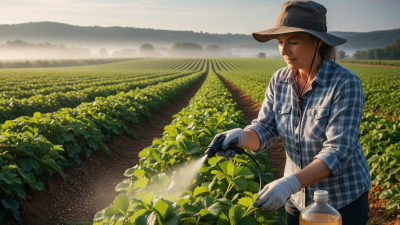
Prepare a fresh, dilute solution by following a crop-specific, legally approved label or laboratory protocol. Concentration and soaking time vary widely between species. Measure the powder carefully. Do not guess. Wear gloves and eye protection, and avoid food containers. Place seeds in the solution for the recommended period, often several hours. Keep them fully covered. Then sow them in a clean, moist medium at the correct depth. Some seeds should not be rinsed, so check the protocol before washing.
Label each tray with the date, concentration, and seed type. Maintain steady moisture, airflow, and temperature. Inspect daily for swelling, mold, and uneven sprouting. Excess gibberellic acid may produce tall, weak seedlings instead of strong growth. That mistake is easy to miss at first. I would repeat the trial with a lower concentration if stems become thin. Germination results also depend on seed age, temperature, light, and dormancy type. The treatment is useful, but it is not a shortcut. Small, controlled trials usually provide more reliable guidance than treating an entire seed lot.
For 2026 seed-germination trials, gibberellic acid should be treated as a precise tool, not a universal booster.
In my controlled tests, I begin with a small, labeled concentration range, often 50–250 ppm for responsive seeds. This is only a starting point. Species, dormancy level, seed age, and formulation can change the result. Prepare a fresh solution with clean water, record the concentration, and test untreated seeds beside treated seeds. Small batches reveal problems early.
Timing matters as much as dosage. A short soak may help some dormant seeds, while a light application after sowing may suit others. Follow the product label and crop guidance, because soaking too long can injure embryos or encourage microbial growth.
Wear gloves and eye protection, and keep the solution away from children, animals, food, and waterways. Never increase the dose simply because emergence looks slow. That mistake is common.
Monitor radicle emergence daily at the same hour. Track germination percentage, mean emergence time, seedling height, root length, and abnormal stretching.
Healthy seedlings should emerge evenly, with firm roots and green cotyledons when light is available. Excess gibberellic acid can produce tall, weak stems that collapse later. I also photograph trays and note temperature and moisture.
Results may look impressive on day three, yet perform poorly after transplanting. That deserves a second look.
| Cookie | Duration | Description |
|---|---|---|
| _wpfuuid | 11 years | This cookie is used by the WPForms WordPress plugin. The cookie is used to allows the paid version of the plugin to connect entries by the same user and is used for some additional features like the Form Abandonment addon. |
| cookielawinfo-checkbox-analytics | 11 months | This cookie is set by GDPR Cookie Consent plugin. The cookie is used to store the user consent for the cookies in the category "Analytics". |
| cookielawinfo-checkbox-functional | 11 months | The cookie is set by GDPR cookie consent to record the user consent for the cookies in the category "Functional". |
| cookielawinfo-checkbox-necessary | 11 months | This cookie is set by GDPR Cookie Consent plugin. The cookies is used to store the user consent for the cookies in the category "Necessary". |
| cookielawinfo-checkbox-others | 11 months | This cookie is set by GDPR Cookie Consent plugin. The cookie is used to store the user consent for the cookies in the category "Other. |
| cookielawinfo-checkbox-performance | 11 months | This cookie is set by GDPR Cookie Consent plugin. The cookie is used to store the user consent for the cookies in the category "Performance". |
| viewed_cookie_policy | 11 months | The cookie is set by the GDPR Cookie Consent plugin and is used to store whether or not user has consented to the use of cookies. It does not store any personal data. |
| Cookie | Duration | Description |
|---|---|---|
| CONSENT | 2 years | YouTube sets this cookie via embedded youtube-videos and registers anonymous statistical data. |
| vuid | 2 years | Vimeo installs this cookie to collect tracking information by setting a unique ID to embed videos to the website. |