What is gibberellic acid and its uses in South Africa?
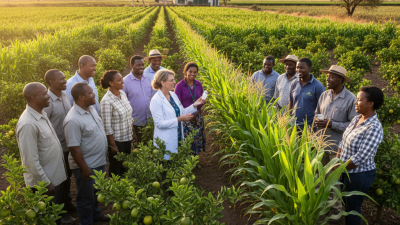
Gibberellic acid is a vital plant growth regulator with diverse applications in agriculture. In South Africa, its role has garnered attention among farmers and researchers. This compound, derived from fungi, helps in enhancing plant growth and development. It effectively promotes seed germination, stem elongation, and flowering.
Farmers often utilize gibberellic acid to improve crop yields. It can assist in the production of fruits, cereals, and vegetables. However, the use of gibberellic acid in South Africa is not without challenges. Over-reliance on synthetic growth regulators can lead to diminished soil health. Moreover, there is a need for education on its correct application to avoid potential misuse.
The ongoing research into gibberellic acid aims to optimize its benefits while minimizing drawbacks. A balanced approach is essential in employing gibberellic acid in agriculture. Farmers must consider both the advantages and the environmental impact. Understanding this compound's role is crucial for sustainable farming practices in South Africa.
Definition and Chemical Structure of Gibberellic Acid
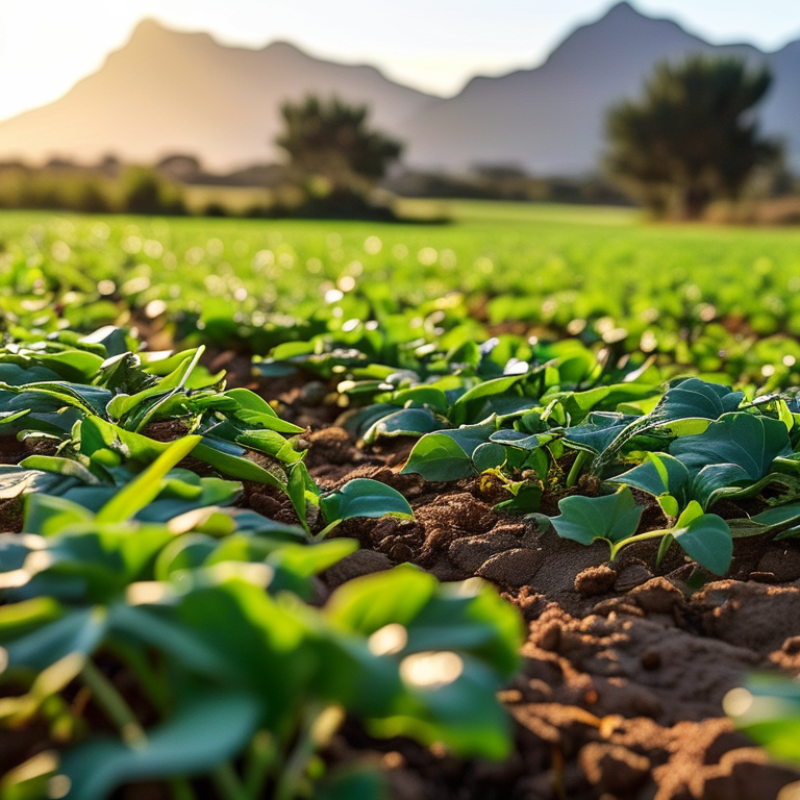
Gibberellic acid, a plant hormone, plays a crucial role in growth and development. This compound belongs to the gibberellins family, which promotes cell elongation, seed germination, and flowering. The chemical structure consists of a tetracyclic ring with isoprene units. Its unique setup allows it to interact effectively with plant receptors.
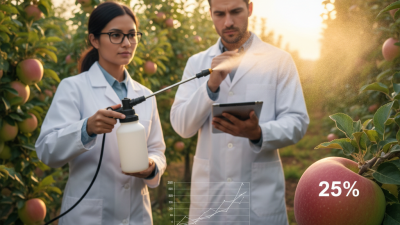
In South Africa, gibberellic acid is gaining traction in agriculture. According to a recent industry report, its application in grape and fruit production has enhanced yield by over 20%. Farmers have noted improved fruit size and uniformity. These benefits contribute to greater marketability, which is vital for economic growth in the sector.
For optimal use, focus on timing and dosage. Applying gibberellic acid during the appropriate growth stages maximizes its effectiveness. Additionally, it's essential to monitor environmental conditions. This hormone may not offer the same results under varying temperatures or humidity levels. Understanding local soil profiles and seasonal patterns is critical.
Natural Sources of Gibberellic Acid in South Africa
Gibberellic acid, a plant hormone, plays a vital role in growth and development. In South Africa, it can be derived from natural sources like certain fungi and plant tissues. Fungi, particularly those from the genus Fusarium, are significant producers of gibberellic acid. These fungi thrive in various agricultural settings, benefiting local farmers by enhancing crop yield.
Another notable source is the seeds of specific plants. For instance, legumes often contain gibberellic acid, which aids in seed germination. When seeds absorb water, the hormone stimulates growth and development, making these plants valuable in food production. Farmers in South Africa harness this principle to improve harvests. Effective application in agriculture can lead to notable increases in efficiency and output.
Despite its benefits, the use of gibberellic acid requires careful consideration. Misuse can lead to unintended growth patterns or reduced quality in crops. Balancing application is crucial for successful outcomes. Understanding natural sources allows farmers to explore sustainable practices while reflecting on the potential risks involved. Ensuring responsible utilization of gibberellic acid is vital for long-term agricultural success.
Gibberellic Acid Production in Natural Sources in South Africa
Agricultural Applications of Gibberellic Acid in South African Farming
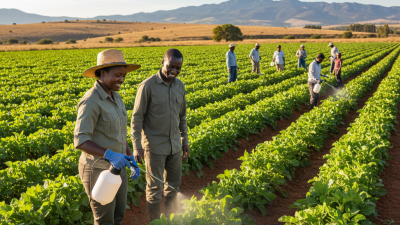
Gibberellic acid (GA3) is a plant hormone widely used in agriculture, especially in South Africa. It plays a significant role in stimulating plant growth, enhancing seed germination, and prolonging the fruiting period of crops. Farmers frequently apply GA3 to improve yields in various crops, including grapes, citrus, and maize.
Recent studies indicate that the use of gibberellic acid can increase maize yields by up to 20%. This is significant for South African farmers facing challenges like drought and soil degradation. Moreover, applying GA3 can help optimize the harvest window for fruit growers, ensuring that crops reach market size more efficiently. However, farmers must apply it carefully, as excessive use can lead to undesirable growth patterns or reduced quality.
Understanding the nuances of gibberellic acid application is crucial. It’s suggested to test small batches before full-scale application. Monitoring plant responses can provide insights into the effectiveness of GA3. Adjustments may be needed based on environmental conditions and plant health. Continuous education on GA3 is also necessary, as new research can reveal better practices and optimal concentrations for different crops.
Impact of Gibberellic Acid on Crop Yield and Quality
Gibberellic acid (GA3) plays a crucial role in agriculture, especially in South Africa. Farmers recognize its potential to enhance crop yield and improve quality. It is a plant hormone that stimulates growth and affects various developmental processes. For instance, it promotes seed germination, elongates stems, and influences flowering timing.
In practical terms, using gibberellic acid can lead to significant increases in crop yield. Studies have shown that treating crops with GA3 can result in higher production rates and improved fruit size. However, the timing and dosage are key factors. Overuse may lead to unexpected plant responses, including excessive growth or weaker structures. Careful application is essential for achieving the desired outcomes.
Farmers often grapple with the balance between maximizing yield and ensuring quality. Gibberellic acid usage can lead to larger, more uniform crops, but the long-term effects on soil health remain a topic of debate. Implementing GA3 requires a nuanced understanding of individual crop needs and environmental conditions. Observing how different plants respond can provide valuable insights. Thus, while gibberellic acid shows promise, its application calls for ongoing reflection and adjustment.
Regulatory Status and Safety Considerations for Gibberellic Acid in South Africa
Gibberellic acid (GA3) is a plant growth regulator widely used in agriculture. In South Africa, its application includes promoting fruit development and improving crop yields. However, the use of GA3 raises important safety considerations. Regulatory authorities monitor its application carefully to ensure public health and environmental safety.
Before using gibberellic acid, farmers should understand potential risks. Proper dosage and timing are crucial for effective results. Overuse can lead to negative health effects and environmental impact. It's vital to consult guidelines to mitigate these risks and comply with regulations.
For safer practices, always wear protective gear when handling GA3. Monitor the effects on surrounding plants and soil health. It’s beneficial to conduct small-scale tests before large-scale application. This approach helps gauge effectiveness and minimize unintended consequences. Balancing agricultural needs with safety is essential for sustainable farming in South Africa.