
site_4bbb466c-cafd-4edb-8869-71ed8e60d33a
Excellence in PGR technology
Why Use Gibberellic Acid for Plant Growth?
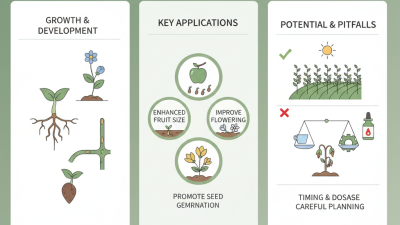
Gibberellic acid is a naturally occurring plant hormone used to influence growth, flowering, and fruit development. It can encourage stem elongation, improve seed germination, and help certain crops produce larger or more uniform fruit. However, its effects depend strongly on plant species, application timing, and dosage. The relationship between gibberellic acid and plant growth is useful, but it is not automatic.
The results can be visible in practical ways. A treated stem may extend noticeably within days, while dormant seeds may sprout more evenly under suitable conditions. In fruit production, carefully managed applications can support fruit set or delay ripening in selected crops. These outcomes come from established horticultural research and field experience, not from a single universal formula. Growers should follow the product label and consult local agricultural guidance before treatment.
More is not better. Excessive use may produce weak, overly tall stems, poor flowering, or irregular fruit development. That limitation matters. Environmental conditions, plant health, and water availability can change the response, even on the same farm. Small trial applications are often wiser than treating an entire crop immediately. Careful records also help: note the product concentration, weather, plant stage, and visible changes. Some observations may be inconclusive, and that is worth admitting. Reliable decisions require comparison with untreated plants and repeated testing. Used responsibly, gibberellic acid can become a precise horticultural tool rather than a shortcut. Its value lies in informed management, realistic expectations, and respect for each crop’s biological limits.
What Is Gibberellic Acid and How Does It Work?
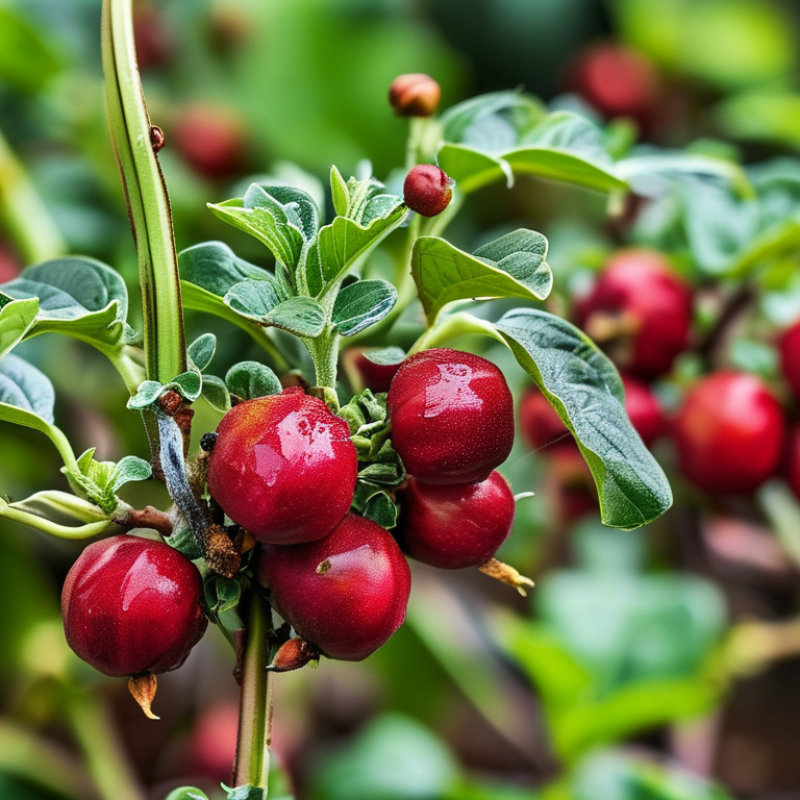
Gibberellic acid, often called GA3, is a naturally occurring plant hormone. Plants produce related gibberellins in growing tissues, seeds, and young fruits. Its main role is to encourage cell division and cell elongation. It does not act like a simple fertilizer. Instead, it changes how a plant reads growth signals. GA binds to GID1 receptors inside plant cells. This interaction helps remove DELLA proteins, which normally restrain growth. As DELLA levels fall, growth-related genes become more active. Stems may lengthen, seeds may wake from dormancy, and fruit development can change. The response depends on species, tissue age, temperature, and plant health.
In practical growing, GA is usually applied as a carefully diluted spray or solution. Timing matters. A small dose during early growth may support taller stems or more even flowering. An excessive dose can create weak, stretched growth, delayed maturity, or poor fruit quality. Results vary. A simple garden trial may show faster seedling growth, but the stems might need support after strong wind. That result is useful, not perfect. It shows that faster growth is not always stronger growth. Reliable use requires a control group, clean measurements, and consistent watering. Growers should follow local labels and protective guidance, because permitted uses and concentrations differ. GA cannot repair damaged roots, poor light, or serious nutrient stress. Its value comes from precise timing and modest expectations.
Related Posts
-
Top 10 Gibberellic Acid Germination Tips for Global Buyers?
-
2026 Top Gibberellic Acid Label Types for Global Buyers
-

What is Gibberellic Acid and How to Use Gibberellic Acid Products Effectively
-

How to Effectively Use Gibberellic Acid Products for Plant Growth?
-
What is gibberellic acid and its uses in South Africa?
-
2026 Top Applications of GA3 Gibberellic Acid in Agriculture and Horticulture?