How to Apply Gibberellic Acid for Maximum Plant Growth?
Gibberellic acid is a plant hormone known for its remarkable ability to enhance growth. Dr. Emily Carter, an esteemed horticulturist, emphasizes its significance: "Gibberellic acid application can significantly boost plant development when used correctly." Understanding how to apply this powerful substance is crucial for those seeking optimal growth rates in their gardens or farms.
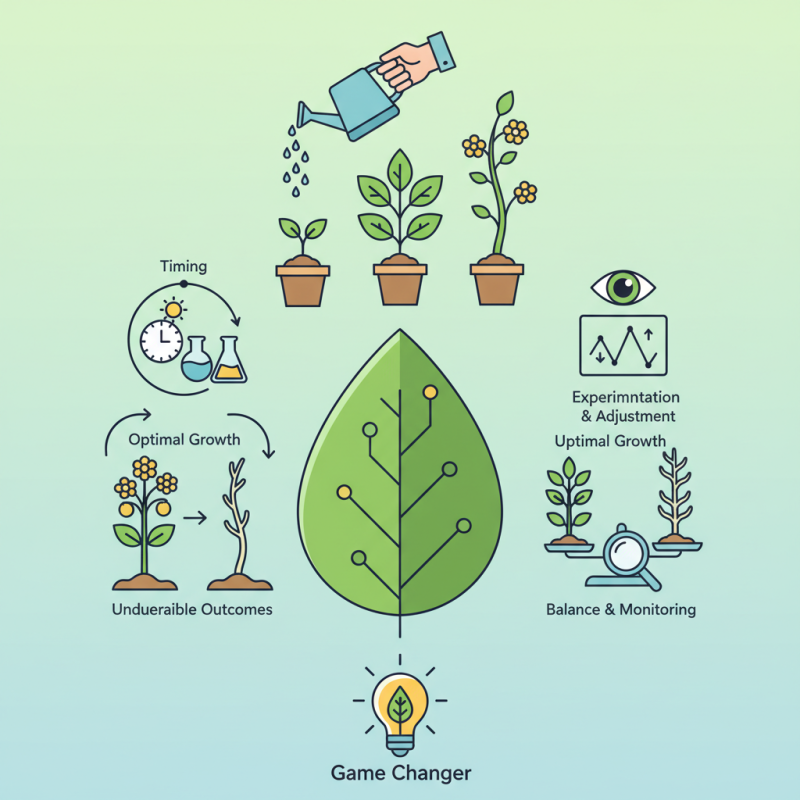
Gibberellic acid application can yield impressive results in a variety of plants. It promotes stem elongation, seed germination, and flowering. However, improper application can lead to undesirable outcomes. The timing and concentration are vital for success. Too much gibberellic acid may cause straggly growth or delayed flowering.
It’s important to experiment and adjust methods based on plant responses. Observing your plants closely will allow you to refine your application techniques. Striking a balance between growth and overall plant health is essential. With patience and careful monitoring, gibberellic acid can be a game changer in plant care.
Understanding Gibberellic Acid: The Role of GA3 in Plant Growth
Gibberellic Acid, commonly known as GA3, plays a vital role in plant growth. This naturally occurring plant hormone influences various growth processes. It promotes seed germination, stem elongation, and fruit development. Understanding its mechanism can greatly enhance your gardening skills.
When using GA3, precise application is key. Dilute it correctly to avoid damage. A concentration that is too high can lead to undesired stretching or poor fruit quality. Remember, not every plant responds in the same way. Monitor your plants closely after application. Some may thrive, while others may exhibit unusual changes.
Experimenting with GA3 can lead to both successes and challenges. Keep a journal to document your findings. Note the plant species, concentration, and resulting growth patterns. This practice not only builds your expertise but also helps refine your approach. Embrace the learning journey as you work with gibberellic acid in your garden.
Effect of Gibberellic Acid (GA3) on Plant Growth Parameters
This bar chart illustrates the impact of various concentrations of Gibberellic Acid (GA3) on the average plant height. As observed, higher concentrations of GA3 correspond to increased growth in plant height.
Optimal Concentrations of Gibberellic Acid for Various Plant Types
Gibberellic acid (GA3) is a crucial plant growth regulator. Its optimal concentration varies among different plant species. For instance, studies suggest that concentrations between 50 to 100 mg/L yield significant results for many annual crops. Tomato plants, specifically, benefit from higher levels around 200 mg/L. This enhances fruit size and yield.
In contrast, leafy greens respond well to lower concentrations. Lettuce shows optimal growth with GA3 concentrations as low as 25 mg/L. Utilizing higher doses may lead to excessive vegetative growth and reduced quality. It's essential to monitor these levels carefully to avoid imbalances.
The application method matters too. Foliar sprays often achieve better absorption than soil applications. Spraying GA3 during early growth stages maximizes its effects. Some researchers noted lower effectiveness if applied too late. It’s evident that while gibberellic acid boosts growth, finding the right balance is key. Each plant type has its unique requirements. Misjudging the concentration can lead to inefficiencies.
Application Methods for Gibberellic Acid: Foliar Spray vs. Soil Mix
When considering the application of gibberellic acid, two primary methods emerge: foliar spray and soil mix. Each technique has its own advantages depending on your specific plant goals. Foliar spraying involves applying the solution directly to the leaves. This allows for quick absorption, leading to faster growth responses. However, environmental factors such as humidity and temperature can affect this method's efficacy.
Soil mixing, on the other hand, integrates gibberellic acid into the soil. This method ensures that roots absorb the hormone over time. It can promote overall root development and enhance nutrient uptake. However, it lacks the immediacy of the foliar spray approach. Observing your plants can guide you in choosing the best method.
Tips: Monitor your plants closely after application. If you notice unusual growth patterns, it may signal an oversupply or incorrect application. It's also wise to test on a smaller scale before large applications. Start with lower concentrations, especially if using soil mix. Ensuring an even distribution of gibberellic acid is crucial for maximizing effects.
Timing and Frequency: When to Apply Gibberellic Acid for Best Results
Applying gibberellic acid (GA3) effectively can significantly boost plant growth. Timing plays a crucial role in this process. Research indicates that the optimal period for application is during the early growth stages. This is when plants are most responsive to hormonal changes. For instance, a study published in the "Journal of Plant Growth Regulation" highlighted that applying GA3 at the seedling stage enhances germination and early development.
Frequency of application also matters. Too much gibberellic acid can lead to excessive stem elongation and poor structural integrity. A controlled study showed that applying GA3 every two weeks resulted in robust growth without compromising plant health. It's important to monitor the outcomes carefully. Some growers notice varying results, revealing that individual plant responses can differ significantly.
Environmental conditions can influence effectiveness. Factors like temperature and humidity can alter GA3's impact. For example, a temperature drop shortly after application may reduce its efficacy. This highlights the necessity for growers to adapt their strategies based on real-time conditions. Adjusting timing and frequency can redefine growth patterns, leading to better yields. Keeping track of these variables is essential for achieving optimal results.
How to Apply Gibberellic Acid for Maximum Plant Growth?
| Plant Type |
Application Timing |
Frequency of Application |
Concentration (ppm) |
Expected Growth Boost (%) |
| Tomatoes |
Before flowering |
Every 2 weeks |
50-100 |
20-30% |
| Lettuce |
At seedling stage |
Once |
25-50 |
15-25% |
| Cucumbers |
During vegetative growth |
Every 3 weeks |
50-75 |
25-35% |
| Grapes |
Pre-bud break |
Once in spring |
75-100 |
30-40% |
Measuring Plant Growth: Expected Outcomes After Gibberellic Acid Application
Gibberellic acid (GA3) is a plant hormone that promotes growth by stimulating cell elongation. When applied correctly, it can lead to notable improvements in plant height, leaf size, and overall vigor. However, the results can vary based on application methods, timings, and plant species.
After applying GA3, you may observe rapid growth within a week. Most plants will show an increase in height and thicker stems. Leaves may also become larger and greener. However, not all plants respond equally. Some may exhibit stunted growth or leaf curling if overdosed. It's crucial to measure the concentration and timing of the application carefully.
Monitoring plant growth post-application is essential. Take weekly measurements of height and leaf size. Document any unusual changes. If the results fall short of expectations, consider adjusting your method.
Understanding the science behind GA3 can help. An increase in growth doesn't always mean success. Observing the overall health of your plants is just as important. Use this experience to refine your approach for better outcomes in future applications.