2026 Top Uses of Gibberellic Acid for Global Buyers?
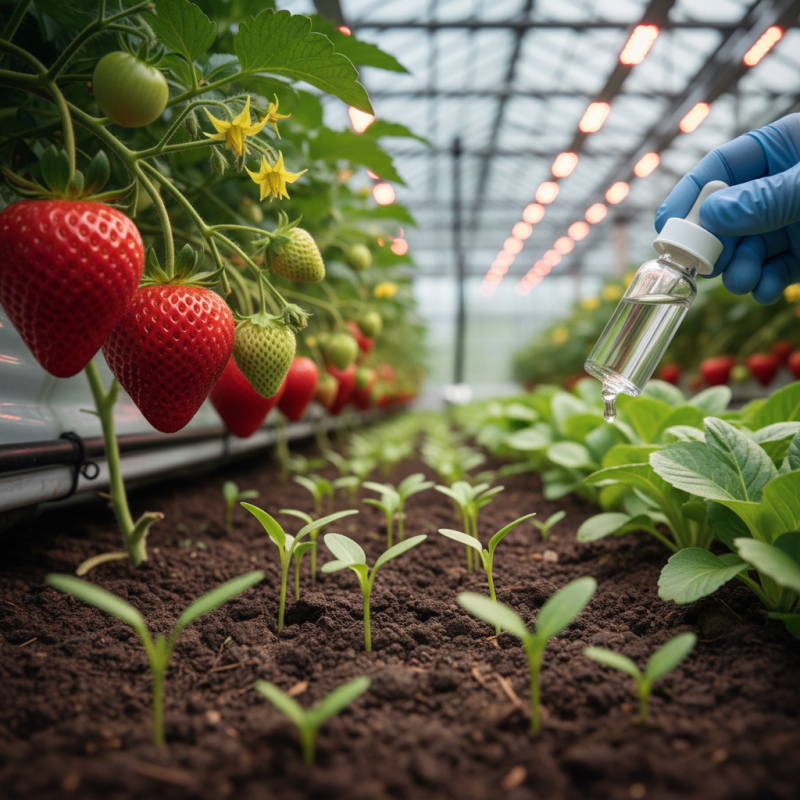
Gibberellic acid use has become increasingly popular in agriculture and horticulture worldwide. This powerful plant hormone plays a crucial role in stimulating growth and development. Its applications range from enhancing seed germination to promoting flowering and fruit production.
For global buyers, understanding the top uses of gibberellic acid in 2026 is essential. Farmers and growers are constantly seeking effective solutions to boost crop yields. Gibberellic acid offers various benefits, but its effectiveness can vary by application and species. Careful consideration is needed for proper use.
Moreover, challenges remain in its application. Improper dosage or timing can lead to disappointing results. Buyers must stay informed about best practices in gibberellic acid use. By doing so, they can maximize the benefits and address any shortcomings effectively. As trends evolve, staying ahead in this area will be vital for success.
2026 Overview of Gibberellic Acid and Its Applications
Gibberellic acid, a plant hormone, plays a vital role in agriculture and horticulture. It significantly influences plant growth, germination, and flowering. Farmers often rely on it to enhance crop yields and overall quality. This natural compound, derived from fungi, stimulates various plant processes, making it invaluable for growers worldwide.
Its applications are diverse. For instance, in fruit cultivation, gibberellic acid can promote larger fruit size and improve seedless fruit development. It also aids in breaking dormancy in seeds, ensuring timely germination. Some growers apply it to regulate flowering time, optimizing harvests. However, the effects can vary based on plant species and environmental conditions. Research continues as scientists explore the full potential of gibberellic acid.
Despite its benefits, there are challenges. Over-application can harm plants, leading to stunted growth or reduced resistance to diseases. Understanding proper usage is crucial. Growers must balance the benefits against potential pitfalls. Ongoing experimentation can help refine application methods, ensuring a sustainable approach to utilizing gibberellic acid effectively.
Gibberellic Acid in Horticulture: Boosting Plant Growth and Yield
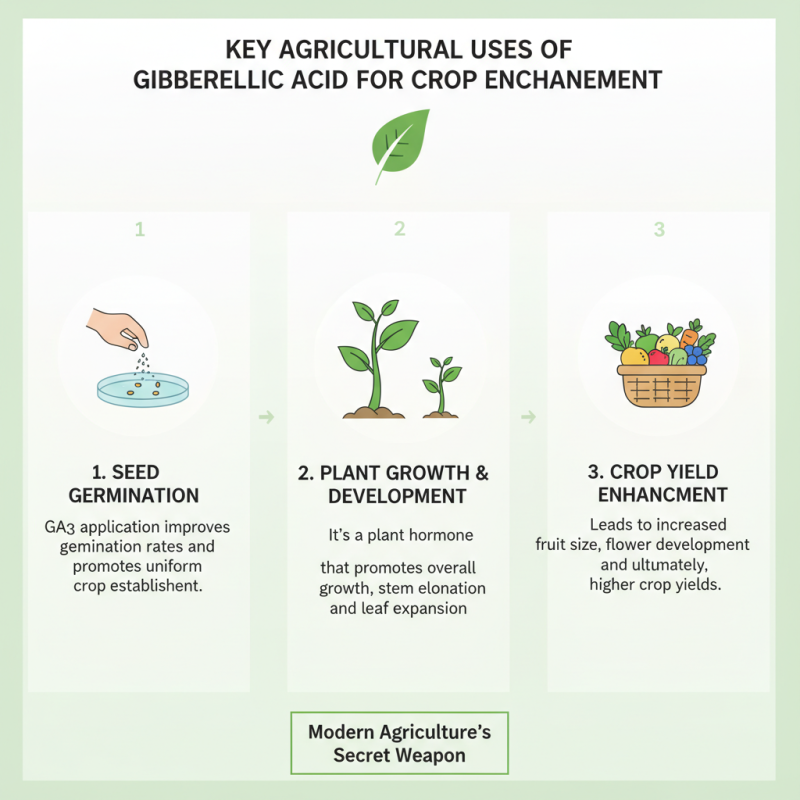
Gibberellic acid (GA3) is a powerful plant growth regulator that plays a vital role in horticulture. It promotes cell elongation, germination, and flowering, which can lead to enhanced plant growth and higher yields. This natural compound is crucial for farmers and horticulturists looking to maximize their crop productivity. Understanding the correct application methods is essential for achieving optimal results.
Using gibberellic acid requires careful attention. Over-application can lead to undesirable plant growth. It's essential to follow recommended dosage guidelines to avoid issues like weak stems or delayed flowering. Regular monitoring of plant responses is necessary. Adjustments based on observations can improve crop performance.
**Tips:** Always test GA3 on a small scale before larger applications. Check environmental conditions and plant species requirements. Remember, the timing of application is key. Apply gibberellic acid during specific growth stages for the best outcome. Experimentation and observation are crucial in finding what works best for your unique horticultural needs.
Innovative Uses of Gibberellic Acid in Commercial Farming
Gibberellic acid has gained significant attention in commercial farming. This plant growth regulator enhances various aspects of crop production. It promotes seed germination, improves fruit size, and increases yield. Farmers increasingly rely on gibberellic acid for efficient agricultural practices.
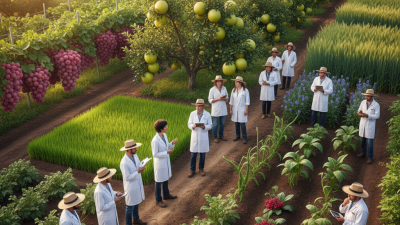
One innovative use is in grape cultivation. Gibberellic acid can boost cluster size and improve quality. This results in better market prices. Apple growers also benefit by using it to stimulate growth and promote larger fruits. Yet, achieving optimal application requires careful consideration. Excess use may lead to unwanted rapid growth or reduced flavor.
Tips: Always test on a small scale before full application. Monitor the weather conditions. Timing is critical to maximize benefits. Using gibberellic acid correctly can mean the difference between a good harvest and a poor one. Farmers must also reflect on the balance between quantity and quality. Sustainability should always be a primary goal.
Future Trends in Gibberellic Acid Application for Global Buyers
The use of gibberellic acid (GA) has gained momentum in various agricultural sectors. This natural plant hormone is known for its ability to promote growth and enhance yield. In the coming years, we can expect to see more innovative applications of GA in crop production. Its role in seed germination, for instance, is becoming increasingly significant. Farmers are now realizing that using GA can lead to earlier planting and quicker crop establishment.
Future trends indicate a shift toward integrating GA in sustainable farming practices. This approach includes using GA to enhance resistance against environmental stressors. Moreover, as global demand for organic produce rises, GA presents an opportunity for growers to maximize productivity without chemical fertilizers. However, there are still challenges to address. The understanding of optimal dosing and timing varies widely among different crops. Research is ongoing to refine these methods, which can be inconsistent and require careful monitoring.
The future of gibberellic acid applications looks promising, yet it requires a balanced perspective. Improved knowledge transfer among agricultural professionals is critical. As practitioners explore GA's potential, connection with scientific research is key to overcoming hurdles. Engaging in discussions about these innovations will help to increase awareness and encourage responsible usage.
2026 Top Uses of Gibberellic Acid for Global Buyers
| Application Area |
Current Usage (%) |
Future Expected Growth (%) |
Key Benefits |
| Horticulture |
35 |
10 |
Enhances fruit size and quality |
| Agriculture Crops |
40 |
15 |
Increases germination rates and yields |
| Vegetable Production |
25 |
12 |
Promotes uniform growth and higher productivity |
| Ornamental Plants |
20 |
8 |
Improves flowering and visual appeal |