Top 10 Benefits of Gibberellic Acid for Seed Germination?
Gibberellic acid seed germination has attracted significant attention in recent years. This plant hormone plays a critical role in the germination process. Many studies highlight its effectiveness in promoting seed sprouting. Using gibberellic acid can enhance the likelihood of successful germination. It works by breaking dormancy and triggering metabolic activities within seeds.
Farmers and researchers alike have observed remarkable results when incorporating gibberellic acid into their practices. The benefits are clear: faster germination, stronger seedlings, and improved crop yields. However, not all seeds respond the same way. Some species may require specific concentrations for optimal results.
Embracing gibberellic acid seed germination techniques demands a thoughtful approach. While the advantages are promising, users must consider environmental factors and seed types. Reflecting on the right application method is essential. Understanding both the benefits and limitations is crucial for achieving the best outcomes in seed germination.

Overview of Gibberellic Acid and Its Role in Plant Growth
Gibberellic acid is a plant hormone known for its vital role in promoting growth. It stimulates seed germination by breaking down dormancy. This process helps seeds absorb water and nutrients more efficiently. The use of gibberellic acid can lead to faster and more uniform germination, ensuring that plants develop optimally.
One of the essential aspects of gibberellic acid is its impact on food crops. This hormone enhances the growth rate and size of plants. As a result, farmers have reported increased yields. It can also improve stress resistance in young seedlings, allowing them to thrive in challenging environments.
Tips: Always test gibberellic acid on a small batch first. Observe how the seeds react. Too much can lead to excessive growth, which may weaken the plants. It’s crucial to find the right balance. Timing application is key; applying it too early might disrupt normal germination cycles. Consider local climate conditions to maximize effectiveness.
Mechanisms of Gibberellic Acid in Enhancing Seed Germination
Gibberellic acid (GA) plays a crucial role in seed germination. It triggers various physiological processes in seeds, enhancing their ability to sprout. Studies show that GA stimulates the production of enzymes like α-amylase. This enzyme is vital for breaking down starches into sugars. These sugars are used as energy sources during germination.
Moreover, GA influences the seed's response to environmental cues. By modulating hormone levels, it enhances the seeds’ sensitivity to moisture and light. This sensitivity is essential for timely germination. According to a report by the American Society of Agronomy, seeds treated with GA exhibit a 30% faster germination rate in some species, showing its effectiveness in real-world applications.
However, not all seeds respond uniformly to GA treatment. Some species may require specific concentrations for optimal effects. This variability means that understanding the right dosage is crucial. Researchers continually explore best practices for different seed types. Exploring these nuances helps in improving agricultural practices and yields. With ongoing studies, better recommendations will evolve, benefiting both commercial and home growers.
Top Benefits of Gibberellic Acid for Different Seed Types
Gibberellic acid is a potent plant hormone. Its role in seed germination is significant. Different seed types respond uniquely to gibberellic acid. Understanding these differences can enhance agricultural practices and crop yields.
For instance, larger seeds like sunflower or pea respond strongly to this hormone. They often exhibit faster germination rates when treated with gibberellic acid. This treatment can increase the evenness of emergence in these seeds. On the other hand, smaller seeds, such as lettuce, may not require the same levels of gibberellic acid. They may respond better to less potent concentrations. Fine-tuning the amount can lead to better growth outcomes.
Nutritional needs can also vary among different seeds. Hormonal balances are crucial. Too much gibberellic acid can lead to excessive elongation in seedlings. This can make them weak and vulnerable. Monitoring and careful application is essential. Observing your crops closely helps in making informed decisions. Adapting the approach based on seed type ensures healthier plants.
Top 10 Benefits of Gibberellic Acid for Seed Germination
| Benefit |
Description |
Seed Type |
| Accelerated Germination |
Gibberellic acid stimulates seed enzymes that speed up the germination process. |
Barley |
| Enhanced Seedling Growth |
Promotes faster growth of seedlings, resulting in healthier plants. |
Corn |
| Improved Uniformity |
Helps achieve uniform germination rates across all seeds. |
Wheat |
| Increased Seed Viability |
Can revive seeds that have been stored for long periods. |
Peas |
| Higher Germination Rates |
Enhances the number of seeds that successfully germinate. |
Tomatoes |
| Stress Resistance |
Seeds treated with GA are more resilient to environmental stress. |
Cucumber |
| Increased Flowering |
Stimulates earlier flowering in plants, leading to more yield. |
Sunflower |
| Improved Nutrient Uptake |
Enhances the plant's ability to absorb nutrients from the soil. |
Peppers |
| Faster Crop Rotation |
Allows for quicker planting and harvesting cycles. |
Rice |
| Broader Adaptability |
Makes crops adaptable to a variety of growing conditions. |
Beans |
Practical Applications of Gibberellic Acid in Agriculture
Gibberellic Acid (GA3) plays a crucial role in seed germination, proving beneficial in agricultural practices. This plant hormone enhances sprout growth by breaking dormancy in seeds. According to research, GA3 can increase germination rates by up to 80%, especially in crops like barley and rice. Its effectiveness lies in its ability to promote enzyme production, which facilitates the breakdown of stored nutrients in seeds.
Farmers and agronomists can apply GA3 to improve seedling vigor. A study conducted by the American Society of Agronomy suggests that seeds treated with gibberellic acid can emerge 2-3 days earlier than untreated seeds. Timely germination is essential to maximize the growing season, ultimately boosting harvest yields. Additionally, GA3 can be beneficial in overcoming environmental stressors during germination.
Tips: Use GA3 cautiously. Excessive applications can lead to overgrowth, affecting plant health. Monitor environmental conditions like temperature and moisture to ensure optimal results. Consider integrating GA3 with other planting practices for enhanced effectiveness. Always evaluate germination performance before large-scale application. This reflection can lead to improved farming outcomes.
Potential Side Effects and Considerations of Gibberellic Acid Use
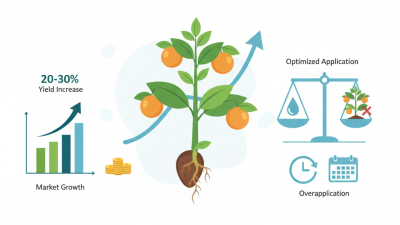
The use of gibberellic acid (GA3) in agriculture is lauded for its germination benefits. However, potential side effects demand careful consideration. While GA3 can significantly enhance germination rates—research shows a 40-70% improvement in specific seeds—its misuse may lead to adverse effects.
Overapplication of gibberellic acid can cause abnormal seedling growth. Plants may develop elongated stems and reduced root mass, affecting overall health. A study published in the Journal of Plant Growth Regulation indicated that excessive doses could lead to a stunted or unbalanced growth pattern in some species.
Environmental conditions also play a crucial role in how plants respond to GA3. Factors like temperature and soil moisture can either amplify or diminish its effectiveness. Not all plants react uniformly; some species may show sensitivity. Understanding these variables is essential for maximizing benefits while minimizing risks. As with any plant growth regulator, thoughtful application is key.