How to Use Gibberellic Acid for Plants Effectively?
Gibberellic acid for plants has gained popularity among gardeners and agricultural experts. This natural plant growth regulator promotes growth, increases yield, and assists in various developmental processes. Understanding its effective use can transform your gardening experience.
When applied correctly, gibberellic acid stimulates seed germination and enhances flowering. However, improper use can lead to unexpected results. For example, overapplication might cause excessive growth or weak plants. Learning the best practices is essential.
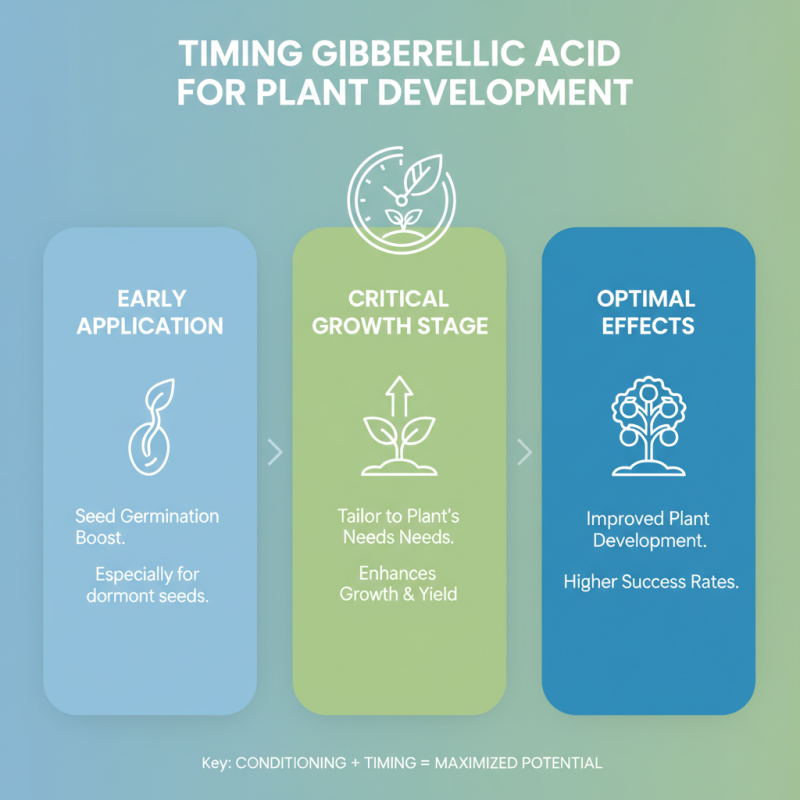
You should consider both plant type and growth stage when using gibberellic acid. Certain plants respond better than others, and timing plays a significant role. A thoughtful approach guarantees you maximize its benefits while minimizing risks.
Understanding Gibberellic Acid and Its Role in Plant Growth
Gibberellic acid (GA3) is a crucial plant hormone. It promotes growth and influences various developmental processes. Research indicates that GA3 can result in a 20-30% increase in crop yield when applied correctly. This hormone plays a vital role in seed germination, stem elongation, and fruit development.
In controlled studies, plants exposed to gibberellic acid show enhanced growth rates. For instance, a study published in the "Journal of Plant Growth Regulation" highlighted improved flowering in legumes with GA3 application. These findings underline the significance of understanding how to use gibberellic acid effectively in gardening and agriculture.
Using GA3 requires careful measurement. Over-application can lead to excessive growth and weaker plants. It’s also important to consider the plant species and growth phase. Research suggests different concentrations yield varying results. Finding the right balance can be difficult but is essential for maximizing benefits. Monitor your plants closely after application to observe their response.
Choosing the Right Concentration of Gibberellic Acid for Your Plants
Gibberellic acid (GA3) can greatly influence plant growth when applied correctly. Understanding the right concentration is crucial.
Research indicates that concentrations between 50 to 200 ppm suit most plants best.
Using too high a concentration can lead to undesirable results, such as overly leggy growth and delayed flowering.
When applying gibberellic acid, attention to detail matters.
Mix thoroughly to achieve a uniform solution.
Some studies show that applying GA3 during specific growth stages can enhance effectiveness.
For example, applications during the early growth phases may yield better results.
It's essential to consider environmental factors, such as temperature and humidity, which can affect plant response.
Tips: Monitor how plants react after each application. If growth appears excessive or erratic, reduce the concentration.
Regular assessments can help you find the sweet spot for your plants.
Accurate measurements and timing can transform your gardening experience.
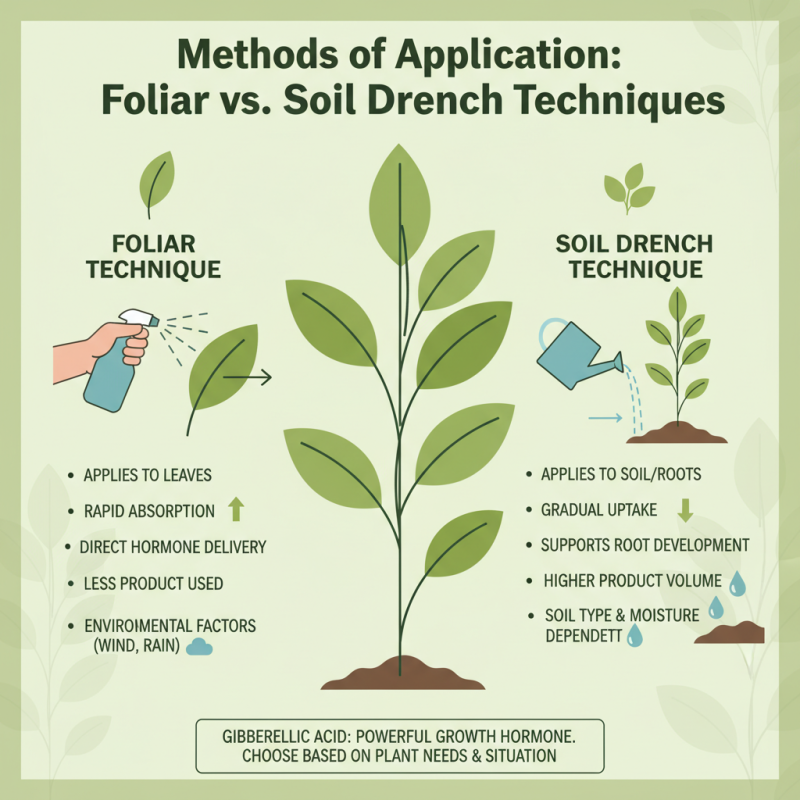
Methods of Application: Foliar vs. Soil Drench Techniques
Gibberellic acid is a powerful growth hormone used by many gardeners. When applying it to plants, you can choose between foliar and soil drench techniques. Each method has its unique benefits and challenges, making them suitable for different situations.
Foliar application involves spraying the gibberellic acid directly onto the leaves. This method allows quicker absorption through the stomata. It often leads to faster growth responses, especially in young plants. However, coverage can be tricky. Uneven spraying might result in some leaves getting too much and others too little. Finding the right concentration is crucial, as too strong a solution can harm the plant.
Soil drench is another option and involves watering the plants with a diluted solution. This method is effective for root development and long-term growth. Watering directly into the soil can ensure even distribution. Be cautious with this technique, as overwatering can lead to root rot or nutrient leaching. The soil's condition also plays a role in how efficiently plants absorb gibberellic acid. Each approach requires careful consideration and adaptation to specific plant needs.
Monitoring Plant Responses and Adjustments Post-Application
Applying gibberellic acid (GA) to plants can stimulate growth significantly. However, monitoring their responses post-application is critical.
Studies indicate that up to 20% of plant species exhibit variable responses to GA. Some may thrive, while others show stress or stunted growth.
After application, check your plants regularly. Look for signs of leaf curling or discoloration. These could indicate too much GA.
A 2019 report highlighted that 15% of treated plants experienced negative effects from over-application.
Adjust concentrations accordingly and always follow a gradual approach.
Environmental factors also play a role in the effectiveness of gibberellic acid. Humidity, light, and soil type can influence plant responses.
For instance, a study noted that higher humidity levels enhanced GA's effectiveness in promoting stem elongation.
Be prepared to tweak your strategy based on real-time observations. Nature’s complexities mean there’s no one-size-fits-all method for using GA successfully.