2026 How to Use GA3 Gibberellic Acid for Better Growth?

In 2026, growers are taking a closer look at ga3 gibberellic acid for stronger, more controlled plant growth. This naturally occurring plant hormone can influence stem elongation, flowering, fruit set, and seed germination. However, it is not a complete fertilizer. It cannot replace balanced nutrition, suitable light, healthy roots, or careful irrigation.

Effective use begins with the crop label and local agricultural guidance. Different plants may respond to different concentrations, application methods, and growth stages. A solution that helps table grapes may produce weak stems in ornamental plants. Timing matters. Applying too early can create excessive elongation, while late treatment may deliver little visible benefit. Small trials are safer than treating an entire greenhouse immediately.

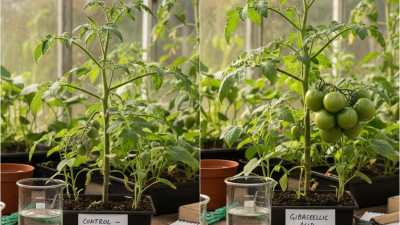
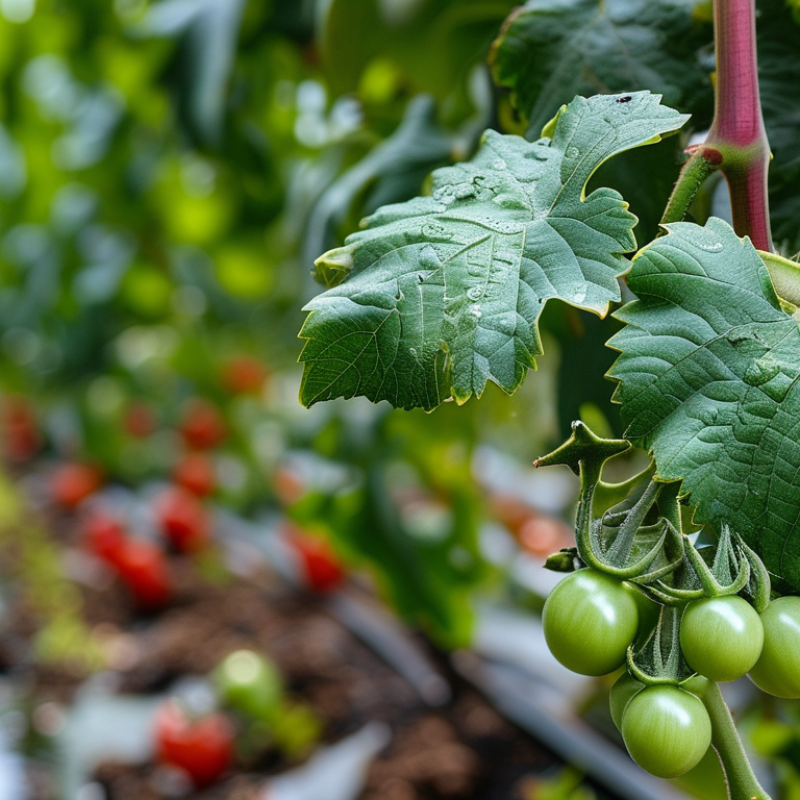
Picture a grower marking three tomato rows, recording the rate, weather, leaf color, and stem length. This simple record can reveal patterns that memory misses. Wear the protective equipment listed on the product label, measure accurately, and avoid drift onto unintended plants or waterways. Always follow registered product instructions and regional regulations.

Results are rarely uniform. Humidity, temperature, cultivar, plant age, and stress can change the outcome. That makes careful observation essential. Even experienced growers can misjudge a crop’s readiness. A taller plant is not always a better plant. Excessive growth may lead to weak stems, delayed maturity, or poor fruit quality. Thoughtful use requires patience, verified information, and willingness to adjust. The goal is not maximum growth. It is useful, healthy growth that fits the crop and the growing system.
2026 How to Use GA3 Gibberellic Acid for Better Growth?

What Is GA3 Gibberellic Acid and How Does It Affect Plant Growth?

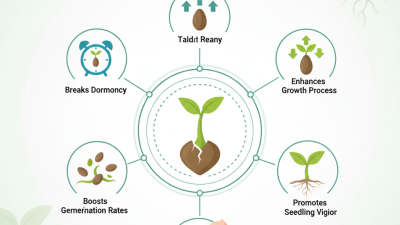
GA3, or gibberellic acid, is a plant growth regulator, not a fertilizer. Plants naturally produce related gibberellins in small amounts. Applied carefully, GA3 can encourage cell division and cell elongation. This may produce taller stems, larger leaves, faster seed germination, or improved fruit development.

Its effect depends strongly on the plant, growth stage, concentration, temperature, and moisture. A light spray on young plants may create visible stretching within several days. However, excessive GA3 can produce thin stems, weak branches, delayed flowering, or oddly shaped fruit. More growth is not always better. That lesson is easy to miss.

For practical use, growers should identify the crop’s permitted application and follow the product label exactly. Use clean measuring tools and apply a diluted solution evenly, preferably during calm, mild weather. Avoid spraying drought-stressed plants or mixing products without verified guidance. Test a small group first. Results can vary, even between plants grown in the same bed. Record the rate, date, weather, and plant response. This simple record helps reveal whether GA3 improved growth or merely made the plant taller.

How to Select the Right GA3 Concentration for Different Plants

How to Select the Right GA3 Concentration for Different Plants

GA3 concentration should match the plant’s age, structure, and purpose. Seedlings usually need a mild solution, often 5–10 ppm, because tender stems stretch quickly. Mature ornamental plants may respond better to 10–25 ppm when the goal is longer stems or earlier flowering. Stronger solutions can create weak growth.

Fruit crops require more careful testing. Grapes, strawberries, and some citrus varieties may use approximately 10–40 ppm, depending on the growth stage and treatment target. A lower rate may support flowering, while a higher rate can enlarge fruit or loosen clusters. These ranges are only starting points. Cultivar, temperature, nutrition, and application timing can change the result.

Measure the active GA3, not just the total product weight. For example, 10 ppm means 10 milligrams of active GA3 per liter of water. Always check the formulation instructions before calculating. Spray a few plants first, and leave untreated plants nearby for comparison. Watch new growth for seven to fourteen days. Excessive stretching, pale leaves, or delayed flowering signals a problem.

The best rate is not always the strongest one. That lesson is easy to forget. Avoid spraying during heat, drought, or severe nutrient stress. Wear suitable protective equipment and follow local agricultural rules. Keep records of concentration, weather, plant age, and response. Some trials fail, but they can still reveal what the plant actually needs.

How to Prepare and Apply GA3 Gibberellic Acid Step by Step

2026 How to Use GA3 Gibberellic Acid for Better Growth?

Prepare GA3 carefully before applying it to plants. Check the product label and confirm the recommended crop, dosage, and timing. Different plants can react very differently. Wear gloves, eye protection, and protective clothing during mixing. Measure the required powder with a precise scale. Do not estimate by spoon. Dissolve GA3 in a small amount of suitable solvent if the label requires it. Add this mixture slowly to clean water while stirring. Use a clean sprayer afterward.

Keep the solution concentration exact. Too little may show no effect, while too much can create weak stems, distorted leaves, or delayed fruit development. I recommend testing a few plants first. Observe them for several days. This small trial often reveals problems before a whole crop is treated. My own mistake was judging results too quickly. Growth changes may need time.

Apply the solution during cool morning hours, when wind is light. Spray the target leaves, flowers, or fruit evenly until they are lightly covered. Avoid heavy dripping and avoid spraying stressed, diseased, or drought-damaged plants. Clean the sprayer immediately after use. Record the date, concentration, weather, and plant response. That record makes the next application more reliable. Some crops need a second treatment, but repeated spraying should follow the label and local agricultural guidance.

When to Use GA3 for Better Germination, Flowering, and Fruit Development

2026 How to Use GA3 Gibberellic Acid for Better Growth?

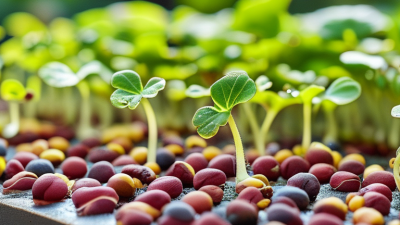
GA3 works best when timing matches the plant’s growth stage. For germination, use it before sowing when seeds show dormancy or uneven sprouting. A short, carefully measured soak can stimulate enzymes and shorten emergence time. Do not assume more GA3 means faster growth. Excess often produces thin, stretched seedlings with weak roots. Timing matters. Test a small seed batch first, then compare untreated seeds under identical moisture and temperature.

During flowering, apply GA3 only when the crop and label support that use. In some grapes, it can elongate flower clusters and improve berry size. In other crops, it may delay flowering or reduce fruit set. During early fruit development, accurate timing can support cell expansion and seedless fruit formation in suitable varieties. Concentration depends heavily on species, tissue age, weather, and application method. A 2022 review in Horticulturae reported highly variable responses across crops, reinforcing the need for local trials. FAOSTAT’s 2024 Statistical Yearbook recorded about 933 million tonnes of global fruit production in 2022, making precise growth management increasingly valuable. My early mistake was copying a dosage from another crop. The plants grew quickly, but flowering became uneven. Record spray date, temperature, concentration, and plant response. Use only legally registered products and follow local agricultural labels.

2026 How to Use GA3 Gibberellic Acid for Better Growth? - When to Use GA3 for Better Germination, Flowering, and Fruit Development

Application Goal Suitable Crops or Situations Recommended Timing Typical GA3 Concentration* Application Method Expected Response Important Precautions
Improve seed germination Seeds with physiological dormancy or slow, uneven emergence; use only when the species responds positively to GA3. Before sowing, after any required scarification or stratification treatment. 100–500 ppm for many horticultural seeds; lower rates may be appropriate for sensitive species. Soak seeds for approximately 4–24 hours, then sow in a clean, well-drained medium. Faster or more uniform radicle emergence and improved germination in some dormant seeds. Excessive concentration can produce weak, elongated seedlings and may reduce germination in some species. Test a small seed lot first.
Increase early seedling growth Young plants that require temporary stem or internode extension, provided adequate light and support are available. After seedlings have established true leaves and are actively growing. 10–50 ppm as a cautious starting range. Light foliar spray to wet the foliage without excessive runoff. Increased cell elongation and a taller, more open plant structure. GA3 promotes elongation rather than stronger tissue. Avoid use on drought-stressed, shaded, or weak plants.
Promote bolting or flowering-stem elongation Selected rosette plants and long-day or biennial species where bolting or flowering-stem extension is desirable. When plants are healthy and near the natural transition to reproductive growth. 10–50 ppm, depending strongly on species and growth stage. Targeted foliar spray or carefully directed application to the growing point. Longer flowering stems and, in responsive plants, earlier or more synchronized flowering. GA3 can delay flowering or reduce flower quality in some ornamentals and fruit crops. Confirm the crop response before treating the whole planting.
Extend grape rachis and reduce berry compactness Seedless table grapes and other grape cultivars with a documented response to GA3. Pre-bloom to bloom, commonly when the flower clusters are developing. Approximately 1–20 ppm; cultivar and treatment objective determine the actual rate. Directed cluster dip or precise cluster spray according to the crop protocol. Longer rachis and looser clusters, which may improve airflow and reduce berry crowding. Over-application can cause poor fruit set, excessive rachis elongation, delayed maturity, or misshapen berries.
Increase berry size Responsive seedless table grapes after fruit set. Post-bloom, after fruit set, while berries are actively expanding. 10–40 ppm in many production protocols; cultivar-specific guidance should take priority. Directed cluster spray or dip, avoiding unnecessary whole-canopy treatment. Larger berries through stimulated cell expansion and delayed berry aging in some cultivars. High rates or late applications may delay color development, reduce soluble solids, or postpone harvest.
Improve fruit set or fruit retention Only selected fruit crops and cultivars with a proven GA3 response; results vary substantially by species. During bloom or shortly after fruit set, according to the crop-specific protocol. 5–20 ppm is a cautious general reference range, not a universal recommendation. Targeted flower or fruit-cluster spray. May support parthenocarpic fruit development or reduce fruit drop in some crops. GA3 may also reduce fruit set in certain crops or at unsuitable timings. Do not use as a replacement for pollination, nutrition, or pest management.
Enhance fruit enlargement Selected citrus, grape, and other fruit crops where local extension recommendations support GA3 use. After fruit set during the early fruit-expansion stage. 10–30 ppm for many experimental or commercial protocols, with crop-specific limits required. Uniform fruit or cluster spray with thorough but controlled coverage. Improved fruit size or shape in responsive crops through cell expansion. Excessive rates can produce thick peels, delayed color, lower sugar concentration, or weaker stems. Follow the registered product label.
Support uniform crop development Plantings with uneven growth where a crop-specific GA3 program has been validated. Apply only at the defined developmental stage; repeated applications should be separated according to label instructions. Use the lowest effective labeled rate; avoid using a general concentration across different crops. Crop-specific foliar, flower-cluster, fruit-cluster, or seed treatment. More synchronized growth, flowering, or fruit development when environmental conditions are suitable. GA3 cannot correct poor irrigation, nutrient deficiency, inadequate pollination, disease, or unsuitable temperature.
Usage notes: *Concentration is expressed as ppm, approximately equivalent to mg/L of active GA3 in water. These ranges are general horticultural reference values and are not universal prescriptions. Always check the crop, cultivar, growth stage, local regulations, and registered product label. Wear appropriate protective equipment, avoid spraying during heat or drought stress, and conduct a small-scale test before broad application.

How to Avoid Common GA3 Application Problems and Plant Damage

In 2026, growers still use GA3 gibberellic acid to encourage stem elongation and improve uneven growth. However, careless application can damage plants quickly. Always read the product label and confirm the crop, growth stage, and permitted use. Different plants react very differently. A dose that helps grapes may overstretch seedlings or weaken ornamental stems.

My own early mistake was treating a whole bed without testing a few plants first. The new shoots became tall, thin, and unable to support their leaves. A small trial would have revealed the problem. Mix GA3 accurately with clean water, using calibrated tools rather than guesswork. Apply during mild weather, not during extreme heat, drought, or heavy rain. Wet leaves should dry slowly, and strong sunlight may increase stress. Avoid spraying open flowers unless the label specifically permits it. Excess treatment can delay flowering, distort fruit shape, or create fragile growth.

Wear suitable gloves and eye protection, and keep the solution away from children, animals, and food areas. Do not reuse unmarked containers. Record the date, dilution, weather, and plant response after each trial. This record often exposes mistakes that memory hides. If leaves curl, stems stretch suddenly, or growth looks pale, stop treatment and reassess irrigation, nutrition, and dosage. Sometimes the real problem is not a lack of GA3.