How to Use Gibberellic Acid for Optimal Plant Growth?
Gibberellic acid (GA3) is a powerful plant growth hormone. Its efficacy has made it a topic of interest among researchers and growers. Dr. Alice Green, a leading expert in plant physiology, states, "Gibberellic acid is essential for maximizing plant potential." This emphasizes the importance of GA3 in enhancing plant growth.
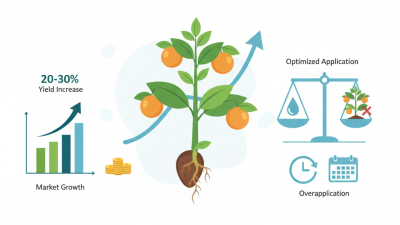
The impacts of gibberellic acid on plant growth are profound. It regulates various developmental processes, such as seed germination and stem elongation. By promoting cell division and elongation, GA3 influences not just size but overall vitality. However, using it incorrectly can lead to undesired results. Over-application can cause weak stems and excessive leaf growth, leading to a loss of structural integrity.
Understanding gibberellic acid on plant growth involves a balance. Growers must consider factors like plant type and environmental conditions. Experimentation is often necessary. Each plant may respond differently to GA3 treatment. With careful application, gibberellic acid can significantly enhance growth, leading to lush, vibrant plants. Learning its nuances can be a worthwhile journey for any gardener.
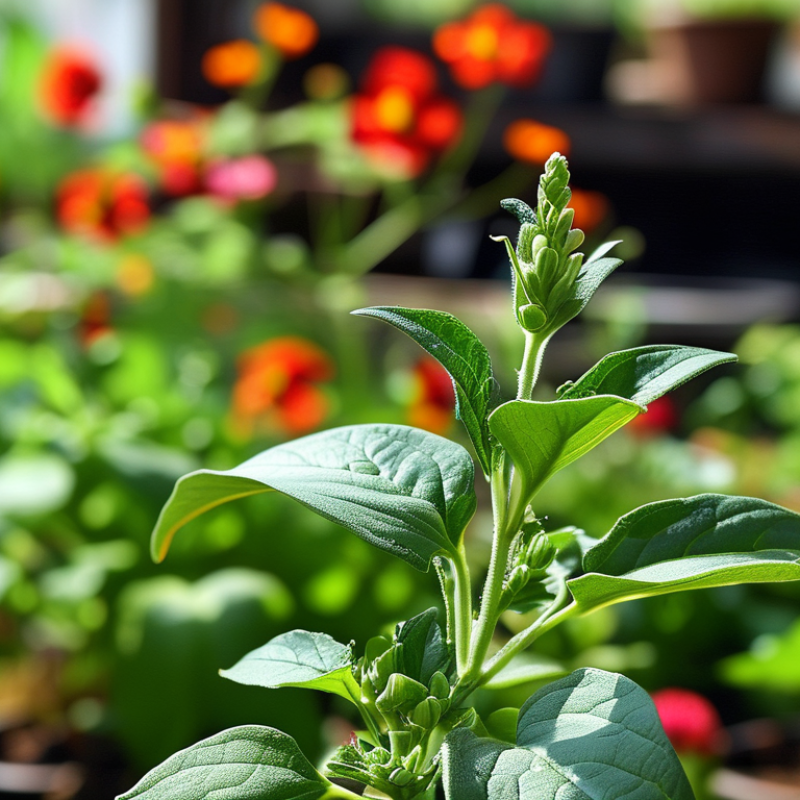
Understanding Gibberellic Acid: Definition and Role in Plant Growth
Gibberellic acid is a plant hormone that plays a crucial role in promoting growth. It stimulates cell elongation, seed germination, and flowering in various plants. Understanding its function is key for gardeners and agricultural professionals alike. When used effectively, this hormone can significantly enhance plant growth and yield.
One common application is during the germination phase. A diluted gibberellic acid solution can help break dormancy in seeds. Soak seeds in this solution for a few hours before planting. This method can lead to faster sprouting. Make sure to use the correct concentration, as too much may hinder growth instead of helping it.
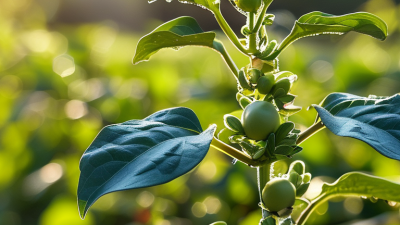
Another use of gibberellic acid is to improve fruit size and quality. Spraying it on plants during the fruit development stage can result in larger and sweeter fruits. However, monitoring is essential. Too frequent application might result in unexpected growth patterns. Timing and concentration should be adjusted based on the specific plant type. This is where careful observation comes into play. Getting it right takes practice and a willingness to learn from mistakes.
Methods for Applying Gibberellic Acid: Timing, Concentration, and Techniques
Gibberellic acid (GA3) is a powerful plant growth regulator. Understanding how to apply it effectively is crucial for gardeners. Timing plays a significant role. Apply GA3 during critical growth stages, such as germination or early vegetative stages. The right moment can enhance seedling vigor and overall plant health.
Concentration matters too. Too high a concentration may cause plant stress or inhibit growth. A typical starting point is diluting GA3 to 100-200 ppm. However, plants may respond differently. Testing with small batches may yield valuable insights. Observing responses can help refine the application.
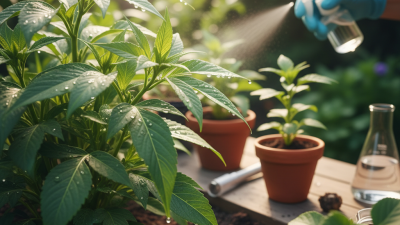
Techniques for application vary. Foliar spraying allows for quick absorption, while soil drenching provides a steady supply. Each method has its advantages and drawbacks. Experimenting is key. Some plants may thrive with one method, while others may not show expected results. Paying attention to the specific needs of each plant type will lead to optimization of growth.
Effects of Gibberellic Acid on Germination Rates and Seedling Development
Gibberellic acid (GA3) is a powerful plant hormone known for enhancing germination rates and seedling development. Research indicates that applying GA3 can increase germination rates by up to 90% in some seed varieties. This improvement results in more uniform emergence and healthier seedlings. For example, studies show that when barley seeds are treated with GA3, germination can be accelerated by 3 to 7 days compared to untreated seeds.
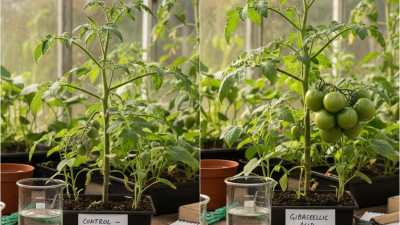
Seedlings also exhibit notable growth responses to gibberellic acid. Plant height can increase by 30% to 50% when seedlings are exposed to optimal concentrations. This growth hormone promotes cell elongation and division, allowing the plants to develop faster and more vigorously. However, over-application can lead to excessive elongation, resulting in weak stems. It’s crucial to find the right balance when using GA3 for best results.
In practical terms, applying GA3 can be done through soaking seeds prior to planting. A concentration of 100-200 ppm is commonly effective, but some plants may respond differently. It’s essential to experiment and monitor growth responses. Understanding the appropriate dosage and timing remains an ongoing challenge in horticulture. Balancing growth enhancement with the risk of over-stimulation is important for successful plant cultivation.
How to Use Gibberellic Acid for Optimal Plant Growth? - Effects of Gibberellic Acid on Germination Rates and Seedling Development
| Experiment |
Gibberellic Acid Concentration (ppm) |
Germination Rate (%) |
Average Seedling Height (cm) |
Leaf Count |
| Control |
0 |
50 |
5.5 |
3 |
| Trial 1 |
100 |
70 |
6.4 |
4 |
| Trial 2 |
250 |
85 |
8.2 |
5 |
| Trial 3 |
500 |
90 |
9.1 |
6 |
Optimal Conditions for Gibberellic Acid Efficacy: pH, Temperature, and Light
Gibberellic acid (GA3) can significantly enhance plant growth, but its effects depend on optimal conditions. For instance, the pH level of the growth medium is crucial. Most plants prefer a slightly acidic to neutral pH range, typically between 5.5 and 7.0. If the pH is too high or too low, the acid’s efficacy may decrease. Conduct regular pH tests to ensure the right environment. Adjusting pH can involve simple methods like adding lime to raise pH or using sulfur to lower it.
Temperature also plays a key role. Gibberellic acid works best at temperatures between 20°C and 25°C. Warm soil enhances seed germination and promotes overall growth. However, excessive heat can be detrimental. Keep an eye on temperature fluctuations in your growth area. Utilizing thermometers can help monitor conditions closely. Proper air circulation is just as important, as stagnant air can lead to overheating or slower growth rates.
Light exposure is another factor that cannot be ignored. Adequate light stimulates photosynthesis, which supports plant development in the presence of GA3. Aim for around 12 to 16 hours of light daily. Too much light can cause stress, while too little may hinder growth. Observe your plants’ responses to adjust light intensity. Remember, even minor tweaks can lead to significant changes in plant health. A few missteps in these areas can result in less than ideal outcomes, emphasizing the importance of consistent monitoring and fine-tuning.
Common Plants Benefiting from Gibberellic Acid Application: Crops and Ornamentals
Gibberellic acid (GA3) is a plant growth regulator that aids in various stages of plant development. Many crops and ornamentals thrive with this hormone. It promotes growth and development in several common plants, enhancing their overall yield and appearance.
Crops like corn, wheat, and barley show significant improvements with GA3. This compound helps to lengthen stems and increase leaf size. In fruit trees, such as apples and grapes, applying gibberellic acid can lead to larger fruit and improved quality. Flowering plants, like marigolds and petunias, also benefit. The flowers bloom more profusely, providing vibrant colors and fuller arrangements.
While gibberellic acid offers benefits, proper application is crucial. Overuse can lead to undesirable growth patterns or weakened plants. It’s essential to observe how plants respond and adjust accordingly. Understanding each plant's unique needs is vital for success. Balancing growth stimulation while preventing adverse effects requires careful consideration and experience.