2026 Top Gibberellic Acid Products for Global Buyers?
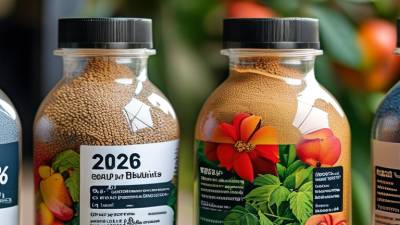
Choosing among the 2026 top gibberellic acid products requires more than comparing prices or package designs. Global buyers need evidence, traceability, and practical crop knowledge. This guide examines formulations, active ingredient concentration, quality certificates, manufacturing controls, and supplier experience. It also considers whether product labels match approved agricultural uses in each target market.
Details matter. A clear certificate of analysis should identify purity, batch number, test methods, and production date. Stable packaging can protect the product from moisture, heat, and contamination during transport. Buyers should also review registration status, residue requirements, language rules, and import documentation before placing an order. Compliance comes first.
Field performance depends on more than chemistry. Crop variety, growth stage, water quality, dosage, weather, and application equipment can change results. A formulation that performs well in one orchard may disappoint in another. That limitation deserves attention. No supplier should promise identical outcomes everywhere.
The selected gibberellic acid products are therefore assessed through a balanced lens. Technical data supports comparison, while real purchasing conditions add context. Independent testing and small-scale trials can reduce avoidable risk. Supplier communication matters too. Slow answers may reveal future problems.
This overview is not a substitute for local agronomic advice or official regulations. Rules can change during 2026. Buyers should confirm requirements with national authorities, licensed professionals, and authorized distributors. Strong products help, but responsible decisions protect crops, workers, consumers, and international supply chains.
What Is Gibberellic Acid and How Does It Work?
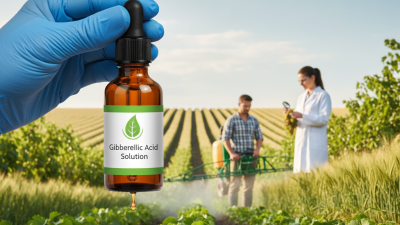
Gibberellic acid, commonly called GA3, is a naturally occurring plant hormone and growth regulator. It belongs to the gibberellin family. Plants produce gibberellins in small amounts. Commercial formulations supplement this signal during specific growth stages.
GA3 encourages cell elongation, seed germination, flowering, and fruit development. It can lengthen grape clusters and improve fruit size in selected crops. The compound activates genetic pathways linked with growth enzymes. It does not replace sunlight, irrigation, or balanced nutrition. Timing matters greatly. A treatment applied too early may create weak stems or uneven growth.
FAO’s World Food and Agriculture Statistical Yearbook reports global primary crop production near 9.9 billion tonnes in 2022. This scale increases interest in efficient crop-management tools. The OECD-FAO Agricultural Outlook 2024–2033 also projects continuing growth in agricultural demand, especially across developing markets. These figures explain market attention, but they do not prove every GA3 application will succeed.
Field performance depends on crop variety, temperature, water status, and application rate. A clean greenhouse result may become inconsistent in a commercial orchard. That is easy to overlook. Buyers should review active-ingredient concentration, formulation stability, residue requirements, and local registration status. Independent trials and clear technical labels matter more than aggressive sales claims. GA3 can be useful, but it is not a magic switch.
Sources: FAO, World Food and Agriculture Statistical Yearbook 2024; OECD-FAO Agricultural Outlook 2024–2033; Davière and Achard, Annual Review of Plant Biology.
Key Product Types and Formulations for Global Buyers
2026 Top Gibberellic Acid Products for Global Buyers?
Key Product Types and Formulations for Global Buyers
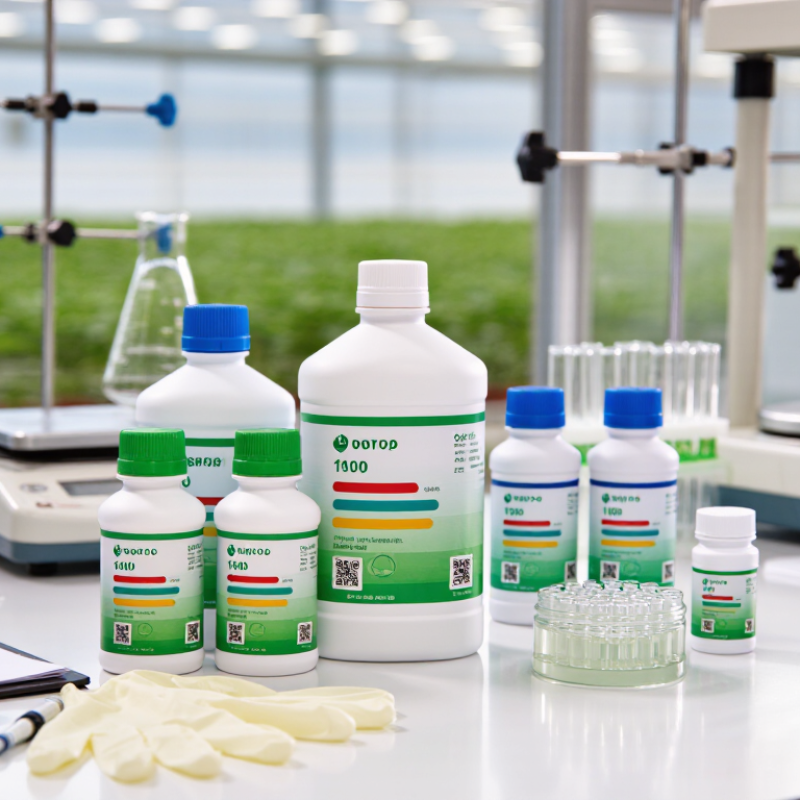
Global buyers usually compare gibberellic acid by concentration, formulation, stability, and application method. Technical-grade material suits manufacturers that need flexible downstream processing. Soluble powders work well for farms and distributors requiring measured dilution. Liquid concentrates offer faster preparation, but temperature changes may affect storage stability.
Granules and water-soluble tablets can reduce handling errors during field use. They may suit smaller operations with limited mixing equipment. Buyers should check active ingredient content, solubility, batch testing, and shelf-life data. Clear labels should state dilution guidance and safe storage conditions. Packaging also matters; sealed, moisture-resistant containers protect powder formulations during long transport. In my experience, low price alone often creates hidden costs. Poor dispersion can waste time and reduce application consistency.
Tips: Request a recent certificate of analysis, safety data sheet, and stability report. Confirm whether the formulation matches local crop-use requirements before ordering. Ask for sample packaging when shipments cross humid regions. Check the production date, not only the expiry date. A product can meet specifications yet perform poorly after unsuitable storage. That possibility deserves attention.
How to Compare Gibberellic Acid Product Quality and Specifications
2026 Top Gibberellic Acid Products for Global Buyers
Comparing gibberellic acid products requires more than checking the stated percentage. Begin with the active ingredient assay, formulation type, and physical appearance. A reliable certificate of analysis should show batch number, test method, production date, and expiry date. Confirm that the laboratory is independent or properly accredited. Paperwork matters.
Solubility can strongly affect field preparation. Ask whether the product dissolves quickly in the intended water volume. Check pH, moisture content, particle size, and visible sediment after mixing. For liquid products, inspect density, viscosity, container sealing, and storage temperature. For powders, review caking risk and packaging barriers. Small details become expensive problems during application.
I also compare impurity limits, batch consistency, and traceability from raw material to finished package. A specification sheet should match the label, safety data sheet, and shipping documents. Do not rely on a polished sample alone. Request retention samples or recent batch records when possible. Stability data is useful, although it may not represent every climate. Hot warehouses and long transport routes can change performance. I have seen buyers overlook this point.
Supplier evaluation should include technical response time and clear handling instructions. Ask for local registration requirements before ordering, since rules differ between markets. The lowest quoted price may hide weaker assay control or poorer packaging. One limitation deserves attention: laboratory results cannot fully predict crop response. Water quality, dosage, timing, and crop variety still matter. Compare evidence carefully, then document every decision.
Major Applications Across Crops and Agricultural Systems
In 2026, global buyers are evaluating gibberellic acid products by crop fit, formulation quality, and registration status. The active ingredient can support stem elongation, fruit sizing, flowering adjustment, and seed dormancy management. Its value changes sharply with timing, temperature, water volume, and cultivar.
Grapes remain a major application. Pre-bloom sprays may lengthen rachises, while post-set treatments can improve berry size in seedless varieties. Rates must follow local labels and trial guidance. Too much can create loose clusters or delayed maturity. That trade-off is often missed. In citrus, carefully timed applications may support fruit retention or delay rind aging, but results vary by variety and harvest plan. For apples, pears, and other tree fruit, growers may use gibberellic acid to influence fruit shape, thinning, or sizing. It is not a universal quality solution.
The same principle applies to protected cultivation. Greenhouse cucumbers, tomatoes, and ornamentals may respond to targeted growth regulation, yet excessive vegetative growth can reduce balance and marketable yield. In rice and other field crops, gibberellic acid is used in selected seed, nursery, or breeding systems, depending on local approval. Buyers should inspect concentration, solvent system, batch testing, shelf stability, and traceability. Field experience matters. Small replicated trials are wiser than broad assumptions, especially where weather and irrigation differ. Application records should include crop stage, water volume, and observed plant response.
2026 Top Gibberellic Acid Products for Global Buyers
Major application ranges across crops and agricultural systems
The chart shows representative gibberellic acid (GA3) concentration ranges commonly used in crop production. Actual rates vary by cultivar, growth stage, application method, climate, and local product labels. Typical systems include foliar spraying, fruit dipping, seed treatment, and canopy application.
Global Sourcing, Compliance, Storage, and Safe Handling Factors
2026 Top Gibberellic Acid Products for Global Buyers
Global buyers should judge gibberellic acid products by documentation, consistency, and legal readiness. A reliable supplier should provide a current specification sheet, certificate of analysis, safety data sheet, batch number, and clear concentration details. Confirm the product’s registration status in the destination market before payment. Import rules, labeling language, residue limits, and approved crop uses may differ widely. A low price can hide missing documents or unstable quality.
Ask for sealed packaging that protects the material from moisture, heat, and direct sunlight. Storage areas should remain cool, dry, ventilated, and separate from food, animal feed, and incompatible chemicals. Keep containers closed after use. Workers should follow the product label and safety data sheet, using suitable gloves, eye protection, and protective clothing. Never rely on informal mixing advice. Formulation strength and crop sensitivity require professional review.
Tips: Check batch records before shipment. Inspect seals when goods arrive. Photograph damaged cartons immediately. Use a trained customs or regulatory adviser for unfamiliar markets. Small oversights matter. I would also review storage conditions periodically, because written procedures can become outdated. Even experienced teams sometimes overlook temperature changes during inland transport. Clear records, practical training, and conservative handling make international sourcing more dependable.