China Top Gibberellic Acid Germination Guide for Buyers
Choosing a reliable supplier requires more than comparing prices on a product page. This China Top Gibberellic Acid Germination Guide for Buyers explains how to evaluate gibberellic acid germination products with practical, evidence-based criteria. Buyers should examine the active ingredient, assay level, formulation, batch number, and certificate of analysis. Clear documentation matters.
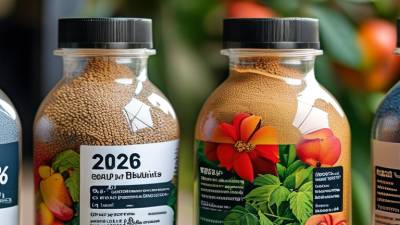
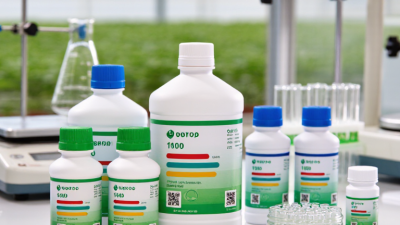
A dependable manufacturer should provide traceable production records, consistent packaging, and realistic shelf-life information. Look for sealed aluminum pouches, moisture-resistant bottles, and labels showing concentration, net weight, lot identification, and storage conditions. Small details reveal operational discipline. Ask about testing methods, quality-control standards, and export experience before placing a large order. Independent laboratory verification may also be worthwhile when specifications affect commercial crop performance.
Application results can vary with seed type, temperature, moisture, and treatment time. A supplier should explain these variables rather than promise identical outcomes everywhere. That honesty is important. Some product descriptions remain vague, and buyers may overlook this weakness when focusing only on cost. I have learned that the cheapest quote can become expensive after delays, inconsistent batches, or unsuitable packaging.
This guide also considers responsible purchasing. Buyers must confirm local registration, labeling, import rules, and permitted agricultural uses before shipment. Products should be handled according to the supplier’s safety data and official instructions. The goal is not to encourage careless experimentation. It is to help importers, distributors, and growers make informed decisions through verifiable evidence, technical communication, and realistic expectations.

What Gibberellic Acid Is and How It Supports Seed Germination
Gibberellic acid, often called GA3, is a plant growth regulator. It is not a fertilizer. It is a naturally related hormone compound used to influence seed physiology. During germination, GA can help activate enzymes that break down stored starch. These sugars then support embryo growth and radicle emergence.
Its effect depends strongly on seed species, dormancy level, temperature, moisture, and treatment strength. In practical trials, growers may compare untreated seeds with several mild GA solutions. Seeds are usually soaked for a measured period, then rinsed and placed in clean, moist media. Keep conditions stable. A warm, well-aerated tray often reveals differences more clearly than a crowded container.
More GA is not always better. Excessive treatment can produce weak, stretched seedlings or uneven development.
For buyers, reliable evaluation should begin with the active ingredient percentage, batch number, certificate of analysis, solubility, and storage instructions. Ask for test data that identifies the seed type and treatment conditions. Results from one crop cannot automatically predict another crop. That is an easy mistake. Product quality also includes sealed packaging and traceable documentation. However, documentation alone is not proof of field performance. Small pilot tests remain valuable, especially when seed lots differ in age or dormancy. The difficult part is balancing faster emergence with sturdy seedling growth. A careful protocol may need adjustment after the first trial.
How to Evaluate Gibberellic Acid Quality from Chinese Suppliers
China Top Gibberellic Acid Germination Guide for Buyers
Evaluating gibberellic acid quality starts with identity, not price. Request the product grade, active-ingredient assay, impurity profile, moisture, and solubility data. The FAO/WHO Manual on Pesticide Specifications recommends reviewing active ingredients, relevant impurities, and physical properties. These checks help compare technical material fairly.
Ask for a batch-specific certificate of analysis, not a recycled template. The COA should show the batch number, test date, method, laboratory, and analyst approval. Prefer HPLC results with clear measurement units. An ISO/IEC 17025 laboratory adds stronger testing credibility. Verify the report independently when the order is valuable. A clean COA is not proof. That assumption is too optimistic.
Packaging also matters. Check sealed inner liners, desiccant use, label consistency, and storage temperature records.
Tips: Request a retained sample before full payment. Test assay, moisture, pH, and dissolution through an independent laboratory. Compare the result with the supplier’s COA. OECD Good Laboratory Practice principles emphasize traceable raw data and audit trails. Suppliers unable to provide basic records deserve closer review. One practical weakness remains: small buyers may test only one batch. That can miss seasonal or production-line variation. Record every result, including failed or inconclusive tests, before approving repeat purchases.
How to Select the Right Formulation and Concentration for Seeds
Selecting gibberellic acid starts with the seed, not the product label. GA3 is available as soluble powder, concentrated liquid, or ready-to-use solution. Choose a formulation with a clearly stated active-ingredient percentage, batch number, and storage guidance. Soluble powder suits precise laboratory dilution, while liquid products reduce weighing errors during small trials. Check pH, carrier ingredients, and wetting behavior before treating valuable seed lots.
Concentration requires discipline. For many small-seeded crops, begin screening at 25, 50, and 100 ppm. Dormant or hard-coated seeds may need higher rates, but excessive GA3 can produce thin, stretched seedlings. I would avoid treating an entire lot immediately.
The ISTA International Rules for Seed Testing 2024 commonly use 400 seeds across four replicates for routine germination tests, although species requirements differ. Use the same seed lot, temperature, moisture, and counting time for every treatment.
Record normal seedlings, abnormal growth, and delayed emergence separately. OECD Seed Schemes 2024 emphasize lot identity and quality control, but certification does not prove that GA3 will improve germination. That distinction matters. A clean-looking solution can still give poor results if seed maturity is uneven.
My practical error was once trusting a published ppm range without matching the crop’s dormancy type. A small pilot test is slower, but it exposes that mistake before commercial treatment.
How to Compare Certifications, Packaging, Pricing, and Minimum Orders
China Top Gibberellic Acid Germination Guide for Buyers
When sourcing gibberellic acid from China, compare documentation before comparing prices. Ask for a current certificate of analysis showing assay, moisture, appearance, batch number, and test methods. ISO certification can support factory controls, but it does not replace product testing. Also check whether the product meets your destination’s agricultural requirements. Requirements differ by country.
Packaging affects product stability during storage and transport. Prefer sealed, light-resistant bags with clear labels and lot numbers. The label should show net weight, production date, expiry date, storage temperature, and handling instructions. A damaged outer carton is not a small issue. Moisture exposure can reduce reliability. Request photos of sealed cartons before shipment, although photos cannot replace inspection.
Compare prices by active content, not only by the quoted kilogram rate. A lower assay may create higher application costs. Include testing, freight, customs paperwork, and repacking in your calculation. Minimum orders also deserve careful review. A large MOQ may reduce unit price but trap cash in slow-moving stock. Ask whether a small trial order is available and whether mixed packaging is permitted. This is where buyers often rush. I would rather test one clearly documented batch than accept a cheap, poorly identified shipment. Keep samples, invoices, and test reports together for later review.
China Top Gibberellic Acid Germination Guide for Buyers
How to compare certifications, packaging, pricing, and minimum orders
Use this checklist to compare suppliers consistently. A complete technical file should normally include a batch-specific COA, SDS, product specification, and traceability information. Packaging should match the formulation and protect the material from moisture, heat, and light. Prices and minimum orders should always be confirmed against purity, formulation, packaging format, Incoterms, and shipment destination.
Scoring framework: 0 = not provided, 1 = partially provided, 2 = clearly documented. The scores are buyer-evaluation criteria rather than company or brand rankings.
How to Place a Safe and Compliant Gibberellic Acid Purchase
China Top Gibberellic Acid Germination Guide for Buyers
A safe gibberellic acid purchase begins with the product identity. Confirm the active ingredient, concentration, formulation, batch number, and intended agricultural use. Ask for a current certificate of analysis, safety data sheet, product label, and specification sheet. The documents should match the physical container. Check the laboratory name and testing date. A certificate alone is not proof of quality. Independent verification may still be worthwhile.
Review import and use requirements before placing an order. Rules can differ by country, crop, concentration, and formulation. Contact your agricultural authority or a qualified compliance adviser. Confirm registration status, permitted uses, labeling language, customs classification, and required permits. Do not rely only on a supplier’s statement. Written confirmation is safer. Keep every document with the purchase record.
Request a small sample when practical. Inspect the seal, packaging, powder or liquid appearance, and printed batch details. Ask how the product should be stored during transport and after delivery. Moisture, heat, and poor sealing can affect product stability. Avoid unusually cheap offers with vague specifications. That decision may create testing costs later. One detail is easy to miss: the recommended application rate must match the formulation, not just the active ingredient. Compare quotations carefully, including freight, testing, insurance, and compliance paperwork. A careful buyer may still overlook something, so independent technical advice can prevent an expensive mistake.