Why Is GA3 Gibberellic Acid Used in Agriculture?
GA3 gibberellic acid is used in agriculture because it can influence plant growth at specific stages, from seed germination to fruit development. Growers may apply it to support fruit sizing, improve bunch shape, or help manage crop timing. The result depends on crop, dose, weather, and application timing. It is not a universal yield booster.
The scientific basis is clear. Plant physiologists Peter Hedden and Stephen G. Thomas describe gibberellins as “a large family of tetracyclic diterpenoid plant hormones that control many aspects of plant growth and development” in their 2012 Annual Review of Plant Biology. That distinction matters: GA3 is one gibberellin, not a substitute for sound crop management. FAO’s Food Outlook and FAOSTAT production datasets document the enormous scale and variability of global crop production, but they do not establish that GA3 increases yields. Field results must be judged crop by crop.
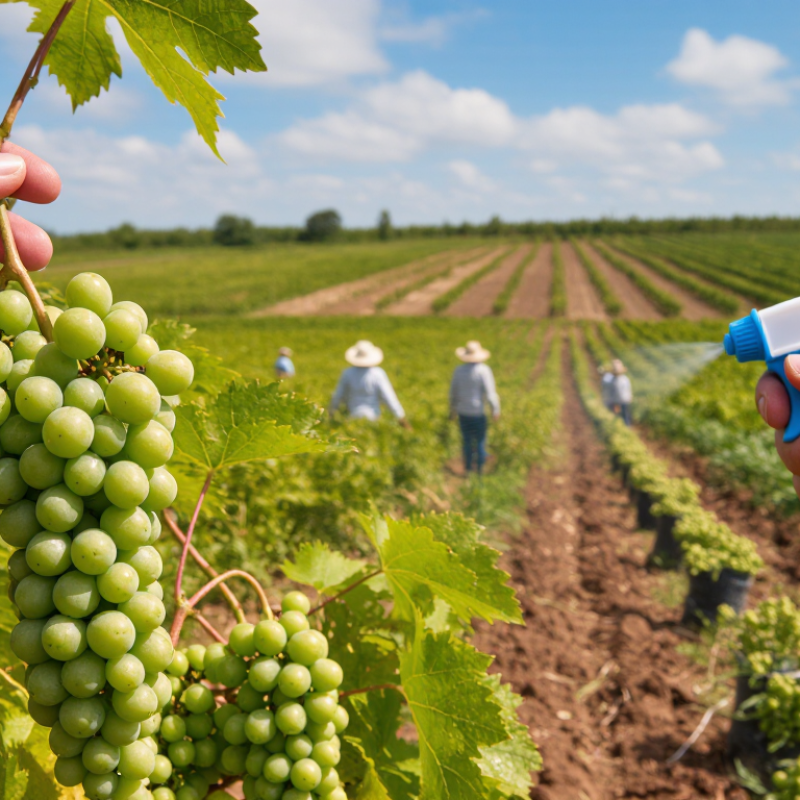
A grape grower, for example, may target a narrow flowering window; a mistimed spray can produce uneven results. Small details matter. This guide explains why farmers use GA3, where it may help, and what its limits look like in practice. The evidence is useful, but not perfect: responses vary, and a promising result in one field may not repeat in another.
What Is GA3 Gibberellic Acid?
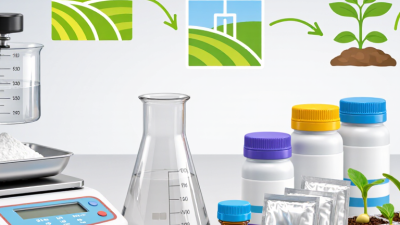
GA3, or gibberellic acid, is a plant growth regulator and one of the biologically active gibberellins. Plants produce these hormones naturally; growers may also apply GA3 to influence growth at specific stages. It can promote stem and cell elongation, help break seed dormancy, and affect flowering or fruit development. Not a fertilizer. It does not supply nutrients like nitrogen or potassium. Rademacher’s review in Annual Review of Plant Biology (2015) describes gibberellins as key regulators of plant growth and development, while noting that only a small number of known gibberellins are biologically active. GA3 is one of them.
In the field, responses depend on crop, dose, timing, and weather. A spray applied during fruit development may affect size or shape, while an application at another stage may do little. That uncertainty matters. FAOSTAT’s 2022 land-use data records roughly 1.57 billion hectares of cropland worldwide, but this scale does not mean one growth regulator suits every crop or region. Growers should follow crop-specific research and product directions, and compare treated rows with untreated controls. Even careful trials can disappoint: cultivar differences, temperature, and uneven spray coverage can change the result. GA3 is a tool, not a guarantee.
How Does GA3 Affect Plant Growth and Development?
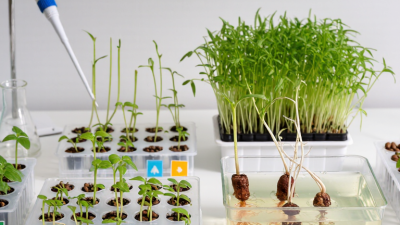
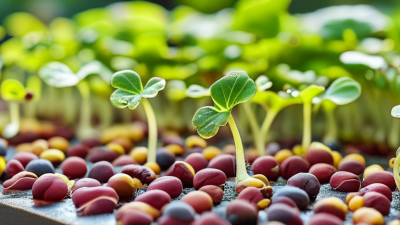
Gibberellic acid, often called GA3, is a plant growth regulator that influences several stages of development. In seeds, it can help overcome dormancy and support germination by stimulating enzymes that release stored nutrients. Under suitable conditions, a treated seed may sprout sooner. Results still vary.
As shoots develop, GA3 can promote cell elongation, so stems may grow taller and leaves can emerge more quickly. In crops such as grapes, it may also affect fruit size or bunch structure, depending on the variety and timing. A small change in application timing can lead to a different outcome. That part is easy to underestimate.
GA3 does not replace light, water, or balanced nutrition, and more is not necessarily better. Excessive or poorly timed use may produce weak, overly elongated growth or uneven development. Growers should follow crop-specific guidance, measure carefully, and compare treated plants with untreated ones when evaluating results. Weather and plant stage matter, too. Even with careful records, responses can be inconsistent, so local trials are useful before wider application.
Which Agricultural Uses Does GA3 Support?
In table grapes, GA3 is used to shape clusters and enlarge berries. Applied at specific growth stages, it can lengthen flower clusters before bloom or increase berry size after fruit set. The aim is practical: looser clusters can improve airflow, while larger berries may better meet market preferences. FAOSTAT’s 2022 crop production data records roughly 75 million tonnes of grapes worldwide, underscoring the crop’s global scale.
That figure describes production, not GA3’s effect.
GA3 also supports fruit set or sizing in selected pears and citrus, depending on cultivar and local recommendations. In citrus, carefully timed applications can help retain a greener rind later in the season. Timing matters. Too much, or an application at the wrong stage, may produce uneven fruit or delay maturity. Results also shift with temperature, water stress, and tree vigor; field response is not perfectly predictable. Consult regional extension guidance and the product label, then compare treated and untreated rows before wider use. A small trial can still disappoint.
Which Crops Commonly Benefit from GA3?
Which Crops Commonly Benefit from GA3?
GA3, or gibberellic acid, is used on several fruit crops, but its purpose differs by crop. In table grapes, carefully timed applications can enlarge berries or loosen crowded clusters. In citrus, GA3 may help preserve peel condition and delay rind color change. Sweet cherry growers may use it to improve firmness and delay maturity. Results depend on cultivar, weather, dose, and application timing; the same treatment will not suit every block.
Some apples, pears, and other crops also receive GA3 for specific growth or fruit-quality goals. These uses are more situation-dependent, so growers should rely on crop-specific trial data rather than assume a general benefit. Not every orchard responds neatly. Even a well-timed treatment can produce uneven results when fruit development or weather varies.
Tips: Check the product directions and local crop guidance before applying. Record the cultivar, timing, rate, and observed response. Small test areas can reveal problems before wider use. A detail growers may overlook: treatment timing can matter as much as the crop itself.
What Factors Guide GA3 Application and Safe Use?
GA3 is not a one-rate-fits-all input. Its effects depend on the crop, cultivar, growth stage, and treatment goal. A grower may want longer stems, better fruit set, or more uniform fruit size. Timing matters. Application too early or too late can trigger uneven growth or disappointing results. The same treatment may also perform differently in a greenhouse and an exposed orchard.
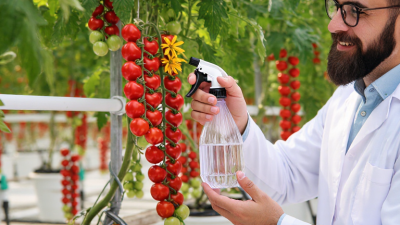
Start with the label. Use only a product approved for the crop and follow its directions for rate, timing, mixing, and protective equipment. Rates vary by formulation, so guessing from another farm’s experience can be risky. Calibrate the sprayer and check that it delivers an even coating. Avoid windy conditions, which can carry spray onto nearby plants. Keep spray away from drains and open water, and follow any stated re-entry interval.
Test on a small area when practical, then observe treated and untreated plants side by side. Look for changes in growth, flowering, and fruit development over several days. Keep notes on weather, crop stage, and application details. They help explain results, though they cannot make them perfectly predictable. That uncertainty deserves attention. For crop-specific decisions, consult a qualified local agronomist or extension service.