site_4bbb466c-cafd-4edb-8869-71ed8e60d33a
Excellence in PGR technology
Gibberellic acid for plant growth is a practical tool, not a universal shortcut. It can influence stem elongation, flowering, fruit sizing, dormancy, and seed germination. Results depend on crop, cultivar, timing, temperature, water status, and application rate. A vineyard grower may see longer rachises after treatment, while another may create weak, overly stretched shoots. That difference matters.
FAO AQUASTAT reports that agriculture accounts for roughly 70% of global freshwater withdrawals. This makes efficient crop management increasingly important, especially where irrigation is limited. The FAO Statistical Yearbook also shows agriculture remains central to food supply, land use, and rural livelihoods. These figures do not prove that gibberellic acid solves production challenges. They explain why precise growth regulation deserves attention. Small mistakes can waste inputs and reduce crop quality.
Industry research supports growing interest in plant growth regulators, but commercial estimates vary by market definition and region. Reports from MarketsandMarkets identify crop productivity, controlled cultivation, and high-value horticulture as important demand drivers. Regulatory agencies, including the U.S. Environmental Protection Agency, require approved products to follow labeled crops, rates, intervals, and safety directions. Always verify local registration. Labels are not optional.
This guide presents ten practical tips for gibberellic acid for plant growth. It focuses on preparation, timing, coverage, crop response, and recordkeeping. Experienced growers often begin with a small trial block. That is wiser than treating everything. Keep untreated plants nearby, record weather conditions, and inspect new growth daily. The science is useful, but field biology remains imperfect. Expect variation, question attractive results, and adjust carefully.
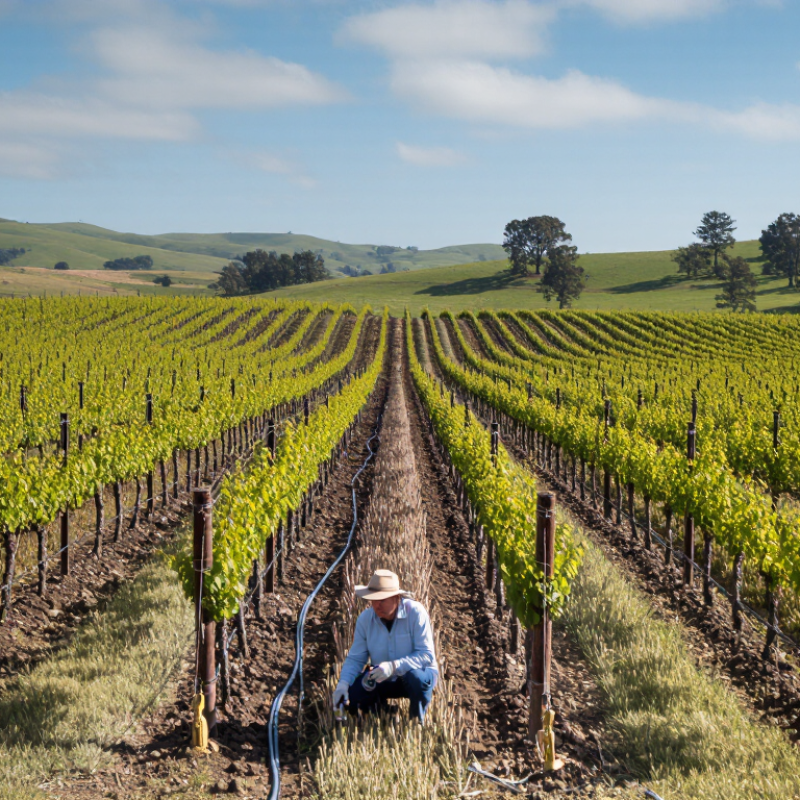
Gibberellic acid is a naturally occurring plant hormone and growth regulator. Plants produce related gibberellins in young leaves, seeds, and developing fruits. It influences cell division, cell expansion, flowering, seed germination, and fruit development. In practical cultivation, growers use it to encourage taller stems or more uniform growth. Small doses matter.
The plant response depends on species, growth stage, temperature, nutrition, and application method. A carefully timed treatment may break seed dormancy or support germination. It can also increase fruit size in some crops, but results are not universal. Too much may create weak, stretched stems, delayed maturity, or uneven flowering. Leaves can respond differently from buds or fruit.
Therefore, the product label, approved crop use, and local regulations should guide every application.
In my own observations, healthy plants respond more predictably than stressed plants. I once expected faster growth from a late treatment, but the plants produced thin stems instead. That mistake reinforced a useful lesson: timing often matters more than strength.
Test a small group first, record weather and plant stage, and compare untreated plants nearby. Clean water, accurate measuring, and consistent spraying improve the value of each observation. Even then, plant biology remains variable. Temperature shifts, hidden nutrient problems, or poor light can confuse the result. Careful notes are essential.
Gibberellic acid works best when the plant and growth stage match its purpose. It can encourage stem elongation, improve fruit size, or support seed germination. It may also cause weak, floppy growth. Choose healthy plants with active metabolism, not wilted or recently transplanted specimens. Young seedlings usually need caution, because excessive elongation can produce thin stems and poor support.
Match treatment to the crop’s natural schedule. Apply near flowering when fruit development is the goal. For some fruiting plants, timing around fruit set may influence size, but results vary by species. Use it before bolting only when taller stems are desirable. Dormant seeds may respond differently from growing plants. Always check crop-specific guidance and local product instructions. Concentration matters greatly. More is not better.
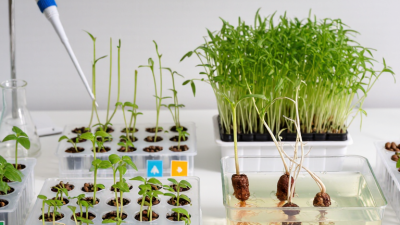
Test a small group first. Mark treated plants with simple tags and compare height, leaf color, flowering, and fruit quality after several days. Keep light, water, and temperature similar between groups. I have found that uneven watering can look like a chemical response, which makes rushed conclusions unreliable. Weather also changes results; hot, dry conditions may increase stress after treatment. Repeat observations across more than one season when possible. Some plants may respond beautifully. Others may show twisted leaves, delayed flowering, or excessive stem growth. That uncertainty deserves respect.
The chart shows approximate starting concentrations commonly used in horticultural practice. Grapes and strawberries are often treated around flowering or fruit development, rice near the booting stage, citrus during fruit set, and ornamentals during early stem or flowering development. Actual rates vary by cultivar, climate, formulation, and local regulations, so always verify the crop-specific label and test on a small group first.
Preparing the Correct Gibberellic Acid Solution
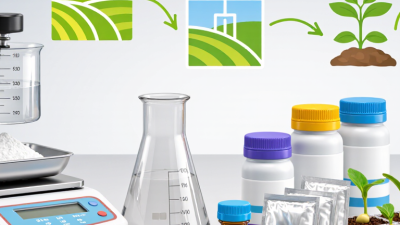
Accurate preparation starts with the target concentration, not guesswork. Gibberellic acid is often measured in parts per million (ppm). For example, 20 ppm in one litre requires 20 milligrams of active ingredient. Use a calibrated scale, because small errors can strongly affect young plants. Write the calculation down before mixing.
Gibberellic acid may dissolve poorly in plain water. Follow the product label for a compatible dissolving liquid, then add the mixture gradually to clean water. Never pour concentrated solution directly onto foliage. Stir gently until the liquid appears uniform. Use distilled water when possible, and avoid adding fertilizers or pesticides unless compatibility is confirmed.
Wear gloves and eye protection during preparation. Label the container with concentration, date, and crop. Test the solution on a few plants first. Different species, temperatures, and growth stages can change the response. Too much gibberellic acid may produce tall, weak stems instead of healthy growth. I have found that careful records reveal mistakes that seem invisible during mixing. Still, records are not perfect. Recheck the scale, volume, and label instructions each time. Prepare only what you can use promptly, and store or dispose of leftovers according to local requirements.
| Tip | Preparation or Application Focus | Practical Guidance | Example Value | Key Caution |
|---|---|---|---|---|
| 1 | Confirm the active ingredient and concentration | Check the product label or laboratory specification before calculating the amount required. Gibberellic acid is commonly abbreviated as GA3. | GA3, 90% active ingredient | Do not assume that different formulations have the same active-ingredient percentage. |
| 2 | Select a concentration suited to the crop and objective | Use the lowest effective rate supported by crop-specific research or the product label. Concentration requirements vary by species, tissue, growth stage, and desired response. | 10–50 mg/L for a small trial range | Higher rates may cause excessive elongation, weak stems, delayed maturity, or reduced flowering in some plants. |
| 3 | Use the correct concentration calculation | For dilute aqueous solutions, 1 mg/L is numerically equivalent to 1 ppm. Calculate the active GA3 mass before adjusting for formulation purity. | 25 mg/L = 25 ppm | Keep units consistent: mg/L, g/L, and ppm should not be mixed without conversion. |
| 4 | Measure the powder accurately | Use a calibrated balance for small quantities. For a 1 L solution containing 25 mg/L active GA3, 27.8 mg of a 90% GA3 powder is required. | 25 ÷ 0.90 = 27.8 mg | Household spoons are not sufficiently accurate for preparing low-concentration solutions. |
| 5 | Dissolve GA3 before making up the final volume | GA3 has limited solubility in water. Pre-dissolve the measured amount in a small volume of a suitable solvent permitted by the label, then dilute with water. | Prepare a 1 L final volume | Do not add an unverified solvent to plants; solvent choice can affect crop safety and absorption. |
| 6 | Prepare a concentrated stock solution when appropriate | A stock solution can improve weighing accuracy. For example, dissolve 1.00 g of active GA3 and bring the final volume to 1 L to obtain a 1,000 mg/L stock. | 1,000 mg/L stock | Label the stock with concentration, solvent, preparation date, and storage conditions. |
| 7 | Calculate the dilution volume correctly | Use C1V1 = C2V2. To make 1 L of 25 mg/L solution from a 1,000 mg/L stock, use 25 mL of stock and add water to 1 L. | 25 mL stock + water to 1 L | Add water to the final volume rather than adding a measured water volume without allowing for stock volume. |
| 8 | Use clean water and mix thoroughly | Use clean, low-sediment water and mix until the solution is uniform. Strain the solution if undissolved particles could block spray equipment. | Uniform, particle-free mixture | Hard water, suspended solids, or incompatible tank-mix partners may reduce consistency. |
| 9 | Apply at the correct growth stage | Application timing strongly affects results. Follow crop-specific guidance and apply when the intended tissue is actively developing. | Timing varies by crop | Avoid treating heat-stressed, drought-stressed, diseased, or severely damaged plants. |
| 10 | Test on a small group and record results | Run a small trial before treating the entire crop. Record concentration, application date, weather, plant stage, method, and observed response. | Untreated control + test rate | Follow all local pesticide regulations, label directions, personal protective equipment requirements, and disposal instructions. |
Calculation reference: required formulation mass = desired active-ingredient mass ÷ active-ingredient fraction. Always follow the applicable product label and crop-specific recommendations.
Gibberellic acid works best when application is precise, not excessive. The FAO/WHO Joint Meeting on Pesticide Residues reported an acceptable daily intake of 0–0.5 mg per kilogram of body weight. Low toxicity does not remove the need for careful handling. Always follow the registered label, wear suitable gloves and eye protection, and keep the solution away from children, food, and waterways. Use clean water and measure the concentrate with a dedicated tool. Small errors matter.
Start with a calibrated sprayer. Professional spray-calibration guidance commonly treats nozzle variation above 10% as a warning sign. Replace worn nozzles and check output into a measuring cylinder for one minute. Walk at a steady speed. Maintain consistent pressure. Avoid windy afternoons, hot leaves, and rain soon after treatment. A fine, drifting mist is not an achievement. It is a loss of control. Apply enough to wet the target surface evenly, but stop before runoff forms. Runoff can waste product and create uneven growth.
I once focused too much on concentration and ignored coverage. That was a mistake. Record the crop stage, weather, dilution, spray volume, and visible response after several days. Plant sensitivity varies with cultivar, temperature, nutrition, and water status. The U.S. Environmental Protection Agency’s pesticide guidance also stresses label compliance and responsible application practices. Test a small area first. Results may be slower than expected, or stronger than planned. Adjust only after observing real plant response, not impatience.
Gibberellic acid can change plant growth quickly, so monitoring should begin soon after treatment. Mark several representative plants before spraying. Record plant height, internode length, leaf color, flowering time, and fruit set. Take photographs from the same distance every few days. Small details matter, such as thinner stems or flowers opening unevenly.
Keep a treatment log with the product concentration, application date, plant growth stage, weather, and spray coverage. If possible, leave a small untreated area for comparison. This helps separate treatment effects from heat, drought, nutrition, or natural variation. Check plants during cool morning hours. Avoid judging results from one plant or one afternoon.
Adjust future treatments carefully. Excessive stretching may suggest a lower concentration, later timing, or better support for the crop. Limited response may reflect poor coverage, unsuitable growth stage, or environmental stress. Do not immediately repeat an application. Change one factor at a time, and follow the approved label, protective equipment guidance, and local regulations. My own early trials taught me that taller plants are not always healthier plants. I also underestimated how quickly windy weather could reduce uniform coverage. Review the records after harvest, including stem strength, flower retention, fruit quality, and marketable yield. Then plan the next treatment from evidence, not expectation.
| Cookie | Duration | Description |
|---|---|---|
| _wpfuuid | 11 years | This cookie is used by the WPForms WordPress plugin. The cookie is used to allows the paid version of the plugin to connect entries by the same user and is used for some additional features like the Form Abandonment addon. |
| cookielawinfo-checkbox-analytics | 11 months | This cookie is set by GDPR Cookie Consent plugin. The cookie is used to store the user consent for the cookies in the category "Analytics". |
| cookielawinfo-checkbox-functional | 11 months | The cookie is set by GDPR cookie consent to record the user consent for the cookies in the category "Functional". |
| cookielawinfo-checkbox-necessary | 11 months | This cookie is set by GDPR Cookie Consent plugin. The cookies is used to store the user consent for the cookies in the category "Necessary". |
| cookielawinfo-checkbox-others | 11 months | This cookie is set by GDPR Cookie Consent plugin. The cookie is used to store the user consent for the cookies in the category "Other. |
| cookielawinfo-checkbox-performance | 11 months | This cookie is set by GDPR Cookie Consent plugin. The cookie is used to store the user consent for the cookies in the category "Performance". |
| viewed_cookie_policy | 11 months | The cookie is set by the GDPR Cookie Consent plugin and is used to store whether or not user has consented to the use of cookies. It does not store any personal data. |
| Cookie | Duration | Description |
|---|---|---|
| CONSENT | 2 years | YouTube sets this cookie via embedded youtube-videos and registers anonymous statistical data. |
| vuid | 2 years | Vimeo installs this cookie to collect tracking information by setting a unique ID to embed videos to the website. |