Why Choose Gibberellic Acid Products for Better Crop Growth?
Why Choose Gibberellic Acid Products for Better Crop Growth?
Healthy crop growth depends on more than fertilizer, irrigation, or favorable weather. Gibberellic acid products can support specific developmental goals when used carefully and according to approved labels. These plant growth regulators may encourage stem elongation, improve fruit sizing, support uniform flowering, or help break dormancy in selected crops. Their effects depend on crop variety, application timing, concentration, and environmental conditions. Timing matters greatly.
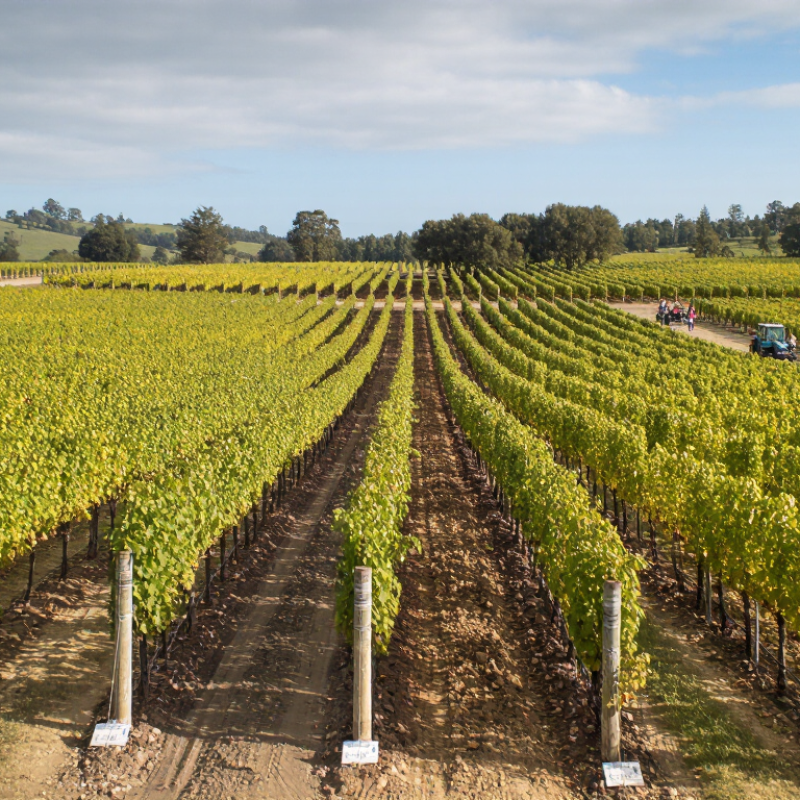
In practical field work, growers often compare treated and untreated rows before expanding an application. A vineyard, for example, may show more even berry development after suitable treatment, while excessive use can create weak stems or uneven maturity. That risk deserves attention. Results vary. Reliable decisions should combine local trial data, extension guidance, product registration information, and professional crop advice. Gibberellic acid products are not universal solutions, and they cannot correct poor soil structure, disease pressure, drought stress, or inadequate nutrition. Careful scouting remains essential. Record weather, crop stage, spray volume, and visible responses after application. Such notes make future decisions more evidence-based, even when the outcome is disappointing. Growers should also verify residue requirements, worker-safety instructions, protective-equipment guidance, and regional regulations before use. Used responsibly, these products may become a precise tool within integrated crop management. Yet precision requires patience, measurement, and a willingness to reconsider assumptions when field results differ from expectations.
What Gibberellic Acid Is and How It Affects Plant Growth
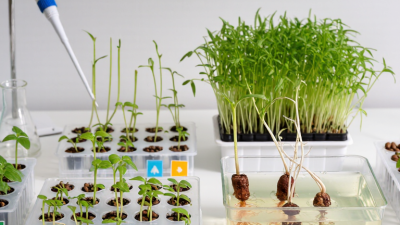
Gibberellic acid is a plant hormone used in some crop growth products. Plants naturally produce it in small amounts. Applied carefully, it can stimulate cell expansion, stem elongation, seed germination, and fruit development. This explains why growers consider gibberellic acid products for stronger early growth or more uniform crops.
Its effects depend on the crop, variety, growth stage, temperature, and nutrition. In practical field work, a measured application may lengthen grape stems or improve fruit size. However, excessive use can create weak stems, delayed maturity, poor color, or uneven growth. Results are not automatic. A healthy plant may respond well, while a drought-stressed plant may respond poorly. I also find that visual improvement can sometimes hide weaker structure, which deserves careful checking.
Tips: Read the product label carefully. Test a small area first. Apply during suitable weather. Keep records of dose, timing, and plant response. Avoid treating severely stressed crops. Consult a qualified agronomist when crop value or application conditions are uncertain.
Key Benefits of Gibberellic Acid Products for Different Crops
Why Choose Gibberellic Acid Products for Better Crop Growth?
Gibberellic acid products can support crop growth when timing and dosage are carefully managed. In table grapes, extension guidance from the University of California notes that GA3 can extend rachis length and increase berry size. Commercial trials commonly report berry-size gains of 10–30%, although results vary with cultivar, temperature, and irrigation.
Rice and other cereals may respond differently. A 2022 review in Plants reported improved stem elongation and earlier development in selected rice trials after low-dose GA3 treatments. However, excessive application can create weak stems and lodging risks. That matters in fields exposed to wind or heavy rain. More growth is not always better growth.
Fruit crops show another practical benefit. Pre-bloom or early fruit-set applications may improve fruit shape, thinning, or marketable size. USDA crop reports show the continuing economic importance of grapes, citrus, and tree fruit, where uniform appearance affects selling value. Still, GA products cannot repair poor pollination, nutrient shortages, or dry roots. Field records should track treated rows, untreated controls, weather, and harvest quality. Small untreated areas are valuable. They reveal whether the product worked or merely followed a good season. Crop labels, local regulations, and advice from a qualified agronomist should guide every application.
Choosing the Right Gibberellic Acid Product and Application Rate
Why Choose Gibberellic Acid Products for Better Crop Growth?
Choosing the Right Gibberellic Acid Product and Application Rate
Choosing the right gibberellic acid product is more important than selecting the highest concentration. Start with the crop, target tissue, and growth stage. Different formulations may contain different active ingredient percentages, so compare the actual concentration before mixing. Read the label carefully.
For practical crop management, begin with the lowest approved rate for the intended purpose. A small trial area can reveal changes in stem length, flowering, fruit set, or maturity. Use calibrated equipment and apply evenly across the canopy. Weather also matters. Hot, windy conditions can reduce coverage and increase drift risk. Avoid treating drought-stressed plants unless the product guidance allows it.
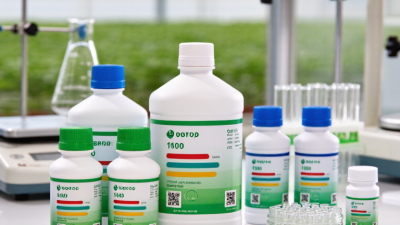
A certificate of analysis can support product verification, especially when purchasing from an unfamiliar supplier. Check the active ingredient, formulation type, batch details, storage instructions, and expiration date. Poor storage can reduce performance, even when the original product was reliable. Field experience shows that excessive rates may produce tall, weak growth instead of stronger crops. That is an easy mistake to make. I would record the rate, spray volume, temperature, and crop response after every trial. These notes make later decisions more objective. Always follow local regulations and the approved label for the specific crop.
Safe Application Practices and Factors Affecting Treatment Results
Why Choose Gibberellic Acid Products for Better Crop Growth?
Gibberellic acid can support cell expansion, flowering, and fruit sizing when timing is precise. Results vary sharply with crop, cultivar, temperature, and plant water status. A treatment applied during heat stress may produce uneven growth. Too much can create weak stems, delayed maturity, or loose fruit clusters. Practical experience shows that calibration matters as much as product selection. Measure canopy coverage, not only tank volume.
Safe application begins with the registered label. Follow its rate, protective equipment, re-entry period, and pre-harvest interval. The FAO and WHO Joint Meeting on Pesticide Residues links residue safety to approved use patterns and exposure estimates. Avoid spraying before rain, during strong wind, or near sensitive crops. FAO’s 2022 agriculture report estimates that farming uses about 70% of global freshwater withdrawals. Preventing runoff is therefore both responsible and economical. These figures do not prove better yield. They encourage better decisions.
Tips:
Test a small plot first. Record growth stage, weather, water volume, and response. Spray early in the morning when conditions are stable. Do not repeat treatment simply because growth looks slow. Nutrient deficiencies, salinity, poor pollination, and root damage may be the real cause. A clean record helps, but it cannot replace local agronomic judgment.