How to Use Gibberellic Acid for Plant Growth

Gibberellic acid for plant growth is a practical topic, but it is not a simple growth switch. This naturally occurring plant hormone can influence stem elongation, seed germination, flowering, and fruit development. Its results depend on plant species, growth stage, concentration, temperature, and water availability. A solution that helps one crop may stretch another too quickly.

Plant physiologist Peter Hedden has described gibberellins as “plant hormones that regulate growth and development.” This principle guides responsible use. The chemical does not replace sunlight, nutrition, healthy roots, or suitable soil. It works within the plant’s existing biological conditions.

This guide will explain how to use gibberellic acid for plant growth with practical caution. You will learn when applications may be useful, how dilution affects outcomes, and why accurate measurement matters. A small amount can influence young shoots visibly. Leaves may expand. Internodes may lengthen. Fruit size may change.

Do not expect perfect results.

Real plants vary. Even neighboring plants can respond differently. Overapplication may produce weak, elongated stems, delayed maturity, or poor structural support. The label must guide product handling, protective equipment, mixing, and application limits. Scientific sources and local agricultural recommendations should support those decisions.

The most reliable approach begins with a small, clearly labeled test area. Record the product rate, plant age, weather, and visible changes. Photographs can reveal gradual effects that memory misses. Careful observation matters more than chasing dramatic growth. This article presents the benefits, limitations, and responsible techniques behind gibberellic acid for plant growth.
How to Use Gibberellic Acid for Plant Growth

What Gibberellic Acid Is and How It Affects Plant Growth

How to Use Gibberellic Acid for Plant Growth

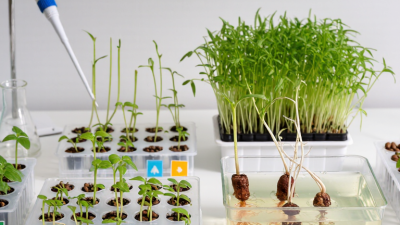
Gibberellic acid, often called GA3, is a naturally occurring plant hormone. Plants produce related gibberellins to regulate cell expansion, seed germination, flowering, and fruit development. Applied externally, it can make stems elongate and leaves expand. It may also encourage seedless fruit in certain crops. Think of it as a growth signal, not plant food. Results vary sharply. A weak plant may stretch without becoming stronger, especially under poor light.

For practical use, select a formulation approved for your crop and follow its label carefully. Concentration, timing, and application method differ between plants. A light spray during active growth may affect stems, while treatment near flowering can influence fruit set. Test a few plants first. Keep untreated plants nearby for comparison. Wear suitable protective equipment, avoid windy conditions, and prevent spray from reaching areas not intended for treatment. More solution does not mean better growth.

Watch the treated plants for thin stems, pale leaves, delayed maturity, or unusual spacing between leaves. These signs can indicate excessive stimulation. Water, light, temperature, and nutrition still control much of the final result. Record the date, weather, plant age, and visible changes. The outcome may disappoint, and that is useful information. I would adjust only one factor at a time, because changing concentration and timing together makes the result difficult to interpret.

When to Use Gibberellic Acid on Different Plant Types

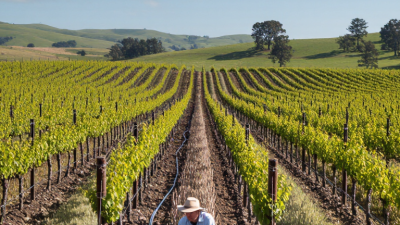
Gibberellic acid works best when timing follows plant biology, not a fixed calendar. For table grapes, growers commonly apply it around pre-bloom to loosen clusters, then near fruit set to enlarge berries. Research published through the International Society for Horticultural Science shows that responses vary strongly by cultivar, temperature, and spray timing. Excessive treatment may create long stems, weak berries, or uneven ripening. In cherries, treatment near fruit development can improve size, but late applications may delay maturity. Citrus and other fruit trees require smaller, carefully timed trials because flowering and fruit retention can shift.

Vegetable seedlings may receive gibberellic acid during germination when dormancy is a problem. However, leafy crops can stretch rapidly, reducing market quality. In ornamental plants, it may produce taller stems or earlier flowering, yet the result depends on species and light levels. FAO’s 2023 Statistical Yearbook reports global fruit production at roughly 930 million tonnes, showing why small quality changes matter commercially. Still, national production data cannot predict one greenhouse bench. USDA Agricultural Research Service studies repeatedly emphasize cultivar-specific testing and accurate concentration control.

Tips: Use a measured sprayer, record weather, and test a small group first. Follow the registered product label and protective-equipment directions. Compare treated and untreated plants with the same irrigation. Results may disappoint. That is useful evidence, not failure. Reduce the rate when growth already looks soft, pale, or unusually stretched.

How to Use Gibberellic Acid for Plant Growth: When to Use Gibberellic Acid on Different Plant Types

Plant Type Main Growth Objective Best Application Timing Typical GA3 Concentration Recommended Application Method Important Considerations
Seedless table grapes Increase berry size, improve bunch elongation, and loosen compact clusters. At bloom for rachis elongation; shortly after fruit set for berry sizing. 1–20 mg/L Targeted spray to flower clusters or young berries. Use the lowest effective concentration for the specific cultivar and growth stage. Excessive rates may reduce fruit set, delay maturity, reduce color development, or produce uneven berries.
Citrus Delay rind aging, reduce pre-harvest fruit drop, and help maintain fruit firmness in selected situations. Near fruit maturity or during the period when natural fruit drop is likely. 10–20 mg/L Thorough foliar spray directed at fruit and canopy, following the crop label and local regulations. Late or excessive applications can delay color break and may affect harvest timing and internal fruit quality.
Cherries Increase fruit size and, in some production systems, improve firmness. During fruit enlargement after fruit set, before final ripening. 10–20 mg/L Apply evenly to fruiting portions of the canopy when fruit are actively enlarging. Response depends strongly on cultivar, crop load, irrigation, and harvest date. Avoid applying too close to harvest unless permitted by the label.
Strawberries Promote petiole and flower-stalk elongation or help modify plant architecture. Before flowering or during early flower-stalk development, depending on the production goal. 1–10 mg/L Use a carefully calibrated foliar spray with good coverage of the crown and developing foliage. High concentrations may cause excessive leaf and petiole elongation, weak growth, misshapen fruit, or delayed flowering.
Pome fruits, such as apples and pears Support fruit set in selected conditions, reduce russeting in some situations, or influence fruit development. During bloom, petal fall, or early fruit development, depending on the intended use. 1–20 mg/L Apply at the precise developmental stage specified for the crop and purpose. Fruit thinning, fruit set, russeting, and return bloom responses vary by cultivar and weather. Do not generalize one timing across all varieties.
Ornamental flowering plants Increase stem elongation, extend flower stalks, or promote flowering in plants with a natural gibberellin response. During active vegetative growth or before visible flower-bud development. 5–50 mg/L Apply as a dilute foliar spray or use as a carefully measured drench when the product label permits it. Overapplication commonly produces weak, stretched stems, lodging, smaller leaves, or poor flower quality.
Bulb and corm crops Promote flower-stalk elongation and, in some species, help break dormancy or stimulate flowering. After dormancy has been satisfied and before or during early shoot development. 10–100 mg/L Dip planting material only when the crop protocol allows it, or apply a directed spray during early growth. Species differ substantially in sensitivity. Excessive treatment can cause weak stems, poor bulb development, or abnormal flowering.
Leafy vegetables Increase petiole or leaf expansion in specific commercial production systems. During early to mid-vegetative growth, before harvest-size quality declines. Use only label-approved rates Use a uniform foliar application with accurate calibration and observe the required pre-harvest interval. Gibberellic acid is not universally appropriate for leafy vegetables. Excessive elongation may reduce compactness, tenderness, or shelf life.
Seeds requiring dormancy release Help overcome physiological dormancy and stimulate germination in responsive species. Before sowing, after any required scarification, stratification, or other dormancy treatment. 10–1,000 mg/L Soak seeds for a defined period or apply to the germination medium according to species-specific protocols. Concentration requirements vary widely. Test a small seed lot first because high rates can produce weak seedlings or abnormal elongation.
Young nursery plants Temporarily increase shoot elongation and influence plant form. Only during active growth when compactness is not the primary production goal. 1–10 mg/L Apply a light, uniform foliar spray to actively growing plants. Do not use routinely on stressed, drought-affected, recently transplanted, or nutrient-deficient plants. Growth may become tall and weak.
General guidance: Gibberellic acid is a plant growth regulator, not a fertilizer. Actual rates and timings depend on species, cultivar, climate, crop load, formulation, and the intended use. Always follow the registered product label and local regulations, wear appropriate protective equipment, and test a small number of plants before treating an entire crop.

How to Prepare a Gibberellic Acid Treatment

How to Use Gibberellic Acid for Plant Growth

How to Prepare a Gibberellic Acid Treatment

Gibberellic acid treatments require accurate measuring and a clear purpose. I usually prepare the solution shortly before application. First, check the product label and identify the recommended concentration for the plant species. Different plants may respond very differently. A low concentration is safer for an initial trial.

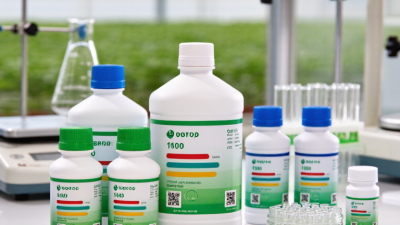
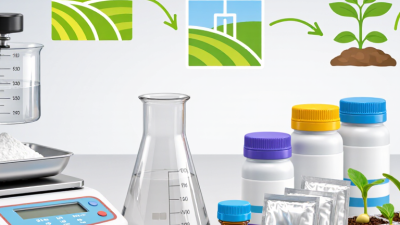
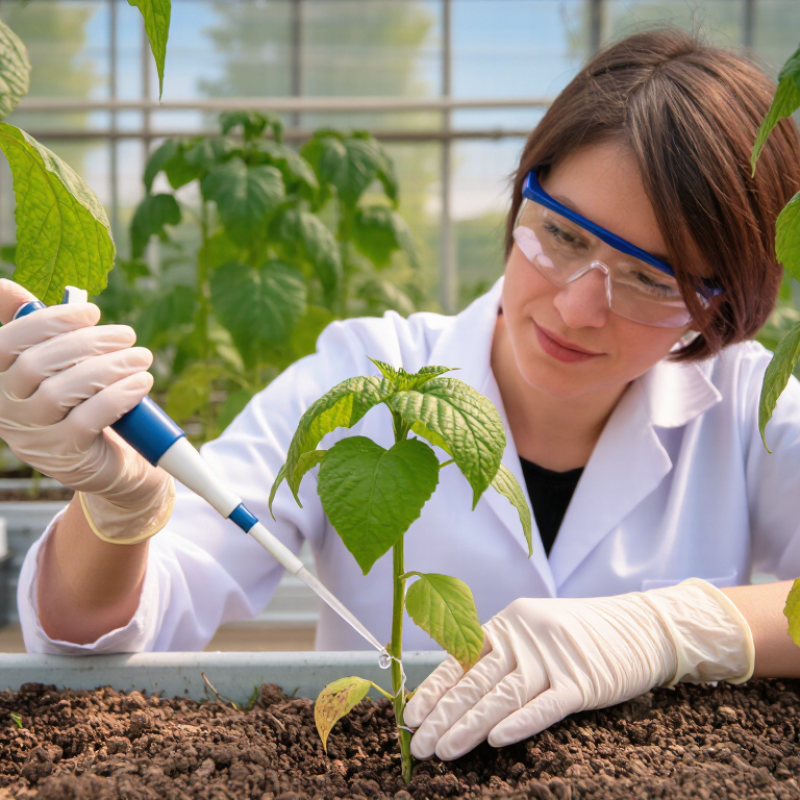
Measure the required amount with a precise scale. For example, 10 milligrams in one liter creates a 10 mg/L solution. Dissolve the powder in a small amount of suitable alcohol if the label permits it. Then add clean water gradually while stirring. Do not pour dry powder directly into a large container. It may disperse unevenly. Wear gloves, eye protection, and protective clothing during preparation.

Use a clean sprayer and label the container with the concentration and date. Test the solution on a few leaves or plants first. Apply a fine mist until the foliage is lightly covered, not dripping. My first trial used too much solution, and the stems became weak. That mistake changed my method. I now record weather, plant age, concentration, and visible changes after treatment. Avoid spraying during strong sunlight, high heat, or before heavy rain. Follow the local label instructions for storage, disposal, and re-entry periods.

How to Apply Gibberellic Acid Safely and Effectively

Gibberellic acid can stretch stems, improve fruit size, and break dormancy, but safe use depends on accurate timing. Use only a product registered for your crop and follow its label rate. Commercial recommendations often range from 1 to 40 mg/L, depending on species, growth stage, and purpose. More is not better. Excess treatment may create weak stems, delayed flowering, poor fruit color, or uneven maturity.

Start with a small trial on several plants. Measure the solution carefully with a calibrated scale, clean water, and a dedicated sprayer. Wear gloves, eye protection, long sleeves, and closed shoes during mixing and application. Avoid windy conditions, open flowers, ponds, and edible crops outside the approved use. The U.S. Environmental Protection Agency requires registered pesticide labels to define application rates, protective equipment, and pre-harvest intervals. Follow those directions exactly.

Timing matters most. Apply during the label-specified growth stage, often early development or fruit set. Spray until leaves are evenly wetted, not dripping. Keep application records, including weather, concentration, crop stage, and visible response. The FAO and WHO pesticide-residue framework emphasizes using good agricultural practices to keep residues within established safety limits. I would not rely on one successful spray. Different cultivars can respond very differently, and greenhouse conditions may exaggerate growth. Recheck untreated plants, because natural growth can be mistaken for treatment success.

How to Use Gibberellic Acid for Plant Growth

Typical starting concentration ranges for gibberellic acid (GA₃) vary by crop, growth stage, and application objective. The values below are general horticultural reference ranges, not universal prescriptions.

Use the lowest suitable concentration first, test on a small group of plants, and observe the response before treating a larger area. In water-based solutions, 1 ppm is approximately equal to 1 mg/L. Wear protective clothing and eye protection, prevent spray drift, avoid runoff, and follow the crop-specific product label and local regulations.

How to Monitor Plant Responses and Adjust Future Treatments

Monitor plant responses before repeating a gibberellic acid treatment. Record plant height, internode length, leaf color, flowering time, and fruit set. Measure the same plants every two or three days. A ruler beside the stem helps reveal small changes. Photograph plants under consistent lighting.

Research reports show that gibberellic acid can increase stem elongation, but responses depend on species, dose, temperature, and growth stage. A 2022 review in Plants reported stronger elongation in several crops, while excessive application often reduced stem strength and delayed flowering. Compare treated plants with untreated controls. Keep water, light, and nutrition similar. This makes the response easier to interpret. It also exposes mistakes.

Adjust future treatments slowly. If stems become thin or lean toward the light, reduce concentration or extend the interval. If leaves remain healthy but growth shows little change, reassess timing, temperature, and root conditions before increasing the dose. The OECD-FAO Agricultural Outlook 2023–2032 emphasizes improving productivity through efficient input management, not simply using more inputs. Follow the product label and local agricultural regulations. Keep written records of concentration, weather, plant age, and visible effects. My own practical caution is simple: one treatment rarely explains everything. Some plants respond unevenly, and poor records can create false confidence.