2026 Top Guide to Gibberellic Acid Use in Tomato?
Gibberellic acid use in tomato requires more than following a fixed calendar. This 2026 guide explains how growers can evaluate its role in flowering, fruit set, fruit size, and crop uniformity. Gibberellic acid, often called GA3, is a plant growth regulator. Its response depends on cultivar, plant vigor, temperature, irrigation, and application timing. The same spray can produce different results in a greenhouse and an open field.
Small details matter. A grower may notice uneven fruit development after a poorly timed application. Flowers can also respond differently across trusses. This guide therefore emphasizes label directions, accurate dilution, clean water, and careful coverage. Always follow the product label and local agricultural requirements. Protective equipment and proper storage remain essential. Records help connect each treatment with later plant responses.
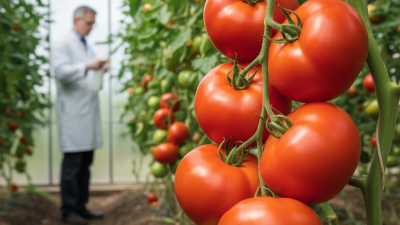
Real-world experience still has limits. No field is perfectly predictable. Excessive growth stimulation may weaken crop balance or reduce market quality. Under stress, tomatoes may not respond as expected. Weather can change the result within hours. For that reason, responsible growers should test a small area before wider use. Measure flower retention, fruit shape, size, firmness, and harvest timing. Compare treated and untreated plants whenever practical. Good decisions come from observation, verified guidance, and restraint. This guide offers a practical framework, but local extension advice and product instructions should lead every final decision.
Gibberellic Acid: Properties and Role in Tomato Growth
Gibberellic Acid: Properties and Role in Tomato Growth
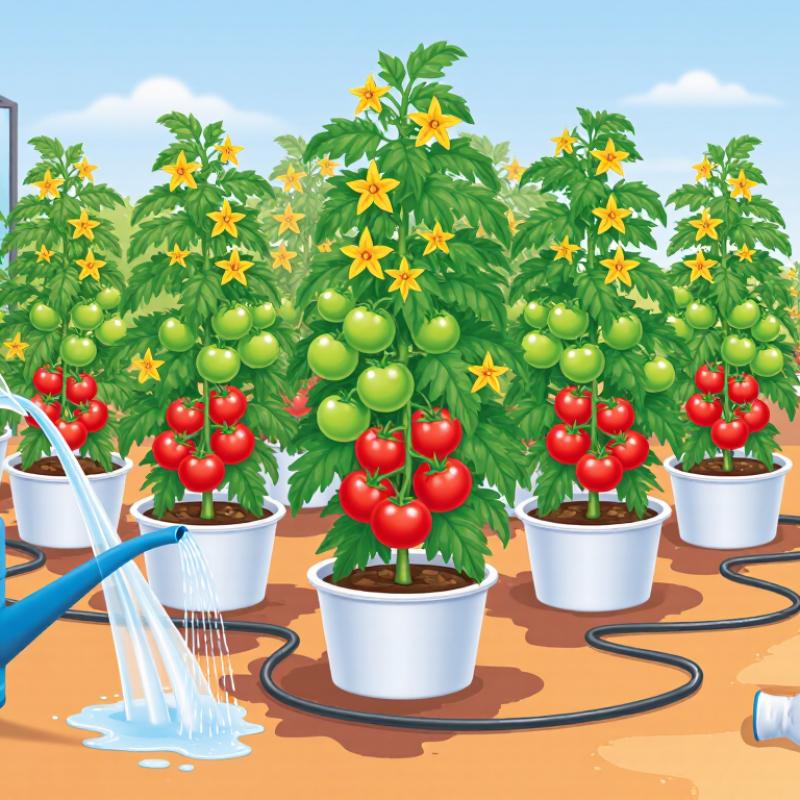
Gibberellic acid is a plant hormone that promotes cell division and elongation. In tomatoes, it can lengthen stems, expand young leaves, and influence flower development. Its effects depend on plant age, temperature, variety, and application timing. A vigorous plant may respond quickly, while a stressed plant may show uneven growth.
Growers sometimes use gibberellic acid to support flowering or fruit development under difficult conditions. However, excessive treatment can create elongated stems, loose flower clusters, hollow fruit, or delayed ripening. Fruit shape may also become less uniform. This is where practical judgment matters. A stronger solution is not automatically better. Field results can be inconsistent, even within one greenhouse.
Tips: Apply only according to the approved product label and local agricultural guidance. Test a small group of plants first. Avoid spraying during severe heat, drought, or obvious disease stress. Keep records of concentration, growth stage, weather, and fruit response. Good records reveal patterns that memory usually misses. Never assume that one successful application will work the same way next season.
How to Choose the Right Application Stage for Tomatoes
Gibberellic acid can influence tomato growth, but timing matters more than routine spraying. In greenhouse trials, I watch plant vigor, flower development, and temperature before choosing an application stage. A vigorous plant may need no treatment. The label remains essential.
During early vegetative growth, application can create excessive stem elongation and weak spacing. This is rarely the best choice for compact tomato plants. Near flowering, a carefully timed treatment may support fruit set under stressful conditions, especially when cool nights disrupt pollination. However, results vary between cultivars and production systems. Test a small section first.
Fruit-set timing requires restraint. Applying too late may produce uneven fruit development, delayed ripening, or hollow-looking tomatoes. I check whether flowers are open, pollination is active, and plants have adequate water. Spraying drought-stressed plants is a poor decision. Very hot conditions can also change the response.
In practical work, I record the date, crop stage, temperature, and visible response after treatment. This simple log often reveals mistakes that memory hides. I once judged a treatment too quickly because fruit size improved before maturity slowed. That result needed more reflection. Use only products legally registered for tomatoes in your region, and follow the approved rate, protective measures, harvest interval, and application method. Past success is not proof for every crop.
How to Prepare and Dilute Gibberellic Acid Solutions
Preparing gibberellic acid solutions requires accurate measurement, clean equipment, and patience.
Read the product label before handling the material, because concentrations and formulations vary. Wear gloves, protective eyewear, long sleeves, and work in a ventilated area. Keep children and animals away.
Use the equation
C1V1 = C2V2
to calculate dilution. For example, a 1,000 mg/L stock solution can produce 10 liters of a 20 mg/L spray by measuring 200 milliliters of stock and adding clean water to reach 10 liters. Do not guess the final volume. Use a calibrated scale, measuring cylinder, and a clearly labeled container. Some formulations dissolve poorly in water, so follow the approved label method rather than adding household chemicals. Add the measured solution slowly while stirring. Avoid splashing.
Spray tomatoes during cool, calm hours, preferably after testing a few plants.
Young tissues may respond strongly, while stressed plants may react unpredictably. Real gardens are uneven. My own preference is to record plant age, weather, concentration, and visible changes after treatment. This makes mistakes easier to examine. If leaves curl, growth becomes excessive, or fruit development looks abnormal, stop and reassess the rate. Do not store leftover spray in an unmarked bottle. Check local agricultural rules, observe the stated harvest interval, and use only the approved crop and application method.
Step-by-Step Methods for Applying Gibberellic Acid to Tomatoes
Gibberellic acid can influence tomato stem growth, flowering, and fruit development. Its response depends on cultivar, temperature, plant age, and crop stress. I begin by checking the product label and local agricultural rules. Only registered uses should guide the treatment rate. Never rely on a recipe from another crop.
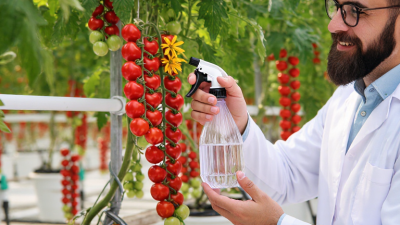
Choose healthy plants with active growth and no wilting. Prepare clean water and measure the solution carefully. Wear gloves, eye protection, and suitable protective clothing. Spray during cool, calm weather. Early morning works well. Direct a fine mist toward flower trusses and young fruit, not the entire plant. Avoid runoff from heavily wet leaves. Record the date, growth stage, weather, and application rate.
Start with a small test area. Wait several days before treating the whole crop. Excessive gibberellic acid may create thin stems, stretched growth, delayed maturity, or uneven fruit. My first trial was too strong, and the plants looked vigorous but produced weaker flower clusters. That mistake changed my method. I now compare treated and untreated plants beside each other. Recheck the crop after 48 hours and again after one week. If leaves curl, growth becomes unusually soft, or flowers drop, stop further applications and seek advice from a qualified horticultural specialist.
Safety Measures, Common Errors, and Treatment Evaluation
2026 Top Guide to Gibberellic Acid Use in Tomato
Gibberellic acid can change tomato growth quickly, but safety begins with the product label. Local registrations, protective equipment, re-entry periods, and harvest intervals may differ. The U.S. Environmental Protection Agency’s Biopesticide Registration Action Document describes gibberellic acid as a biochemical pesticide with low mammalian toxicity. That does not make careless spraying acceptable.
Use clean water, calibrated equipment, and measured concentrations. Avoid applications during heat, drought, or weak plant growth. Excessive treatment may produce thin stems, stretched internodes, poor flower balance, or uneven fruit development. A common error is copying rates from another crop. Another is judging success by taller plants. Taller is not always better.
Test on a small section first. Keep untreated plants nearby. Record cultivar, growth stage, weather, concentration, and spray volume. Evaluate flower retention, fruit number, fruit weight, firmness, and visible injury over several harvests. Randomized plots improve reliability; three or more replications are preferable in practical trials. The U.S. Department of Agriculture’s tomato production reporting shows that market value depends heavily on grade and packout, not plant height alone. That matters.
Inspect leaves after 24 and 72 hours. Check fruit at harvest. If results look impressive but marketable yield falls, the treatment failed commercially. My own caution is simple: field notes often miss delayed effects. Repeat the trial. Follow the registered label. Never assume one season proves a formula.