7 Best Uses of Gibberellic Acid for Plants?

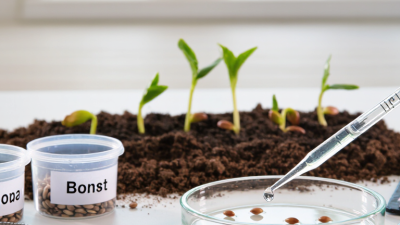
Gibberellic acid is a naturally occurring plant hormone that influences growth, development, and reproductive processes. In practical horticulture, it can help overcome dormancy, improve seed germination, or change fruit development. The phrase gibberellic acid used for plants covers several applications, but results depend heavily on crop type, growth stage, weather, and concentration. A grape grower may seek longer stems and looser clusters, while a nursery worker may focus on uneven seed emergence. The visible difference can be subtle, not dramatic. That matters.

This guide explores seven important uses of gibberellic acid, including seed treatment, stem elongation, flowering support, fruit sizing, and dormancy management. “Best” is not absolute. A treatment that benefits table grapes might weaken a compact ornamental plant. Excessive application can produce thin stems, delayed maturity, poor color, or irregular growth. It is easy to overstate the benefits without discussing these trade-offs. Careful growers compare treated and untreated plants, record rates, and observe leaves, flowers, and fruit over time. Reliable recommendations should come from crop-specific research, agricultural extension guidance, and the product label. Application timing is equally important. Spraying during hot, dry conditions may create disappointing results, even when the product is suitable. Gibberellic acid should support sound irrigation, nutrition, and pest management rather than replace them. Always follow local regulations, protective instructions, and approved-use directions. The most useful lesson may be simple: measure carefully, start conservatively, and expect different plants to respond differently.
7 Best Uses of Gibberellic Acid for Plants?

What Gibberellic Acid Is and How It Affects Plant Growth

Gibberellic acid is a naturally occurring plant hormone, commonly called GA3. Plants produce it in small amounts, especially in young tissues and developing seeds. It stimulates cell expansion and division, so stems may stretch and buds may develop faster. The response depends strongly on plant species, temperature, dosage, and application timing.

In horticulture, growers use gibberellic acid for seven practical purposes: improving seed germination, breaking dormancy, increasing stem length, encouraging flowering, enlarging fruit, improving fruit set, and reducing compact growth in selected crops. A small treatment can help dormant seeds emerge more evenly. On table grapes and some fruit crops, it may create larger berries or looser clusters. Flowering plants may also respond with earlier or taller growth. Results vary.

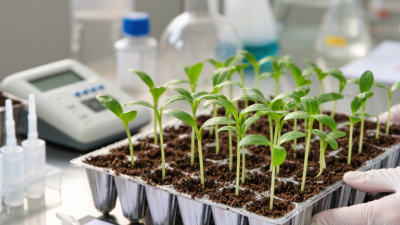
I have seen the biggest mistake in small trials: treating every plant at the same rate. That approach often produces thin stems, stretched seedlings, delayed maturity, or pale fruit. Gibberellic acid is not a general fertilizer. It does not replace light, minerals, water, or healthy roots. Use a measured solution, test a few plants first, and record the date, concentration, weather, and visible response. Follow the product label and local agricultural guidance. Some plants respond dramatically within days, while others show little change. That uncertainty deserves attention.

How to Apply Gibberellic Acid Safely and Accurately

Gibberellic acid can influence stem elongation, flowering, fruit size, and seed germination. Its effects depend heavily on plant species, growth stage, temperature, and dose. A small mistake can produce weak stems or uneven growth. I have found that careful observation matters more than chasing dramatic results.

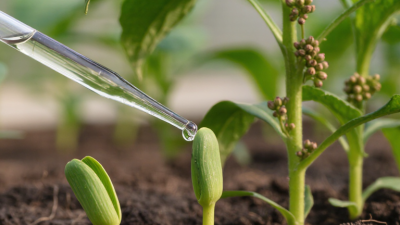
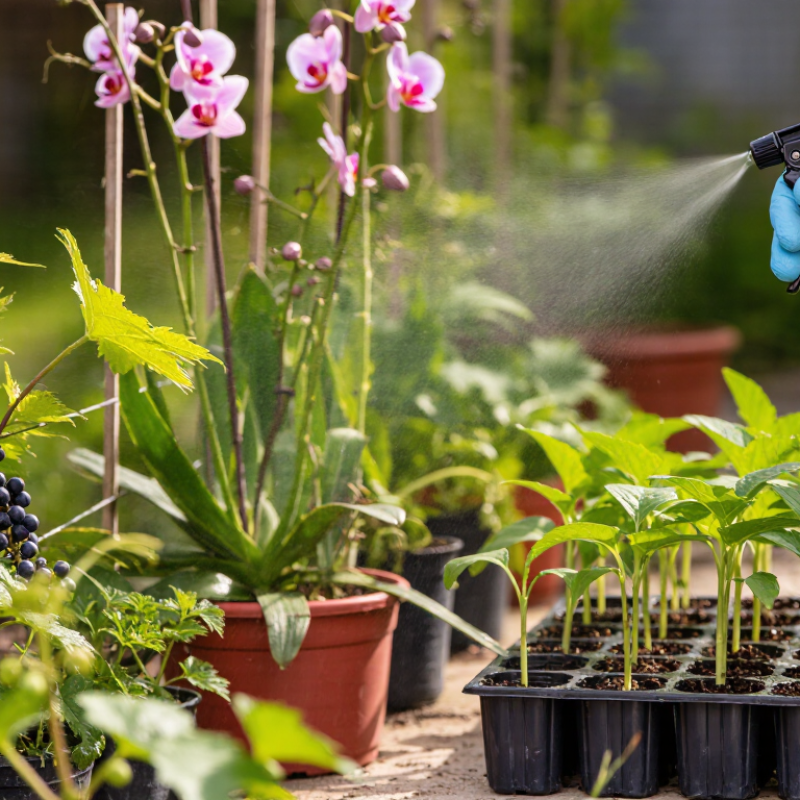
Read the product label and local regulations before mixing anything. Wear gloves, protective clothing, and eye protection. Use a clean, calibrated sprayer and measure both water and concentrate accurately. Never estimate with a kitchen spoon. Prepare only the amount needed for one application. Test the diluted solution on a few plants first, then wait several days for leaf or stem reactions. Apply during calm weather, preferably in the cooler morning. Avoid windy conditions, intense heat, rain, and drought-stressed plants.

Spray evenly until leaves are lightly covered, not dripping. Keep the solution away from people, pets, ponds, and edible crops unless the label permits that use. Do not mix it with other treatments without verified compatibility information. Record the date, dilution, weather, plant stage, and visible response. Results may differ between varieties, even in the same bed. That is frustrating, but useful. If growth becomes thin, twisted, or excessively tall, stop applying and review the dose, timing, and plant condition. Store the material securely, in its original labeled container, away from food and children.

Seven Practical Uses of Gibberellic Acid for Different Plants

Gibberellic acid is a plant growth regulator with several practical uses. Its effects depend on plant type, growth stage, temperature, and dosage. Growers should always follow local regulations and the product label.

In table grapes, it can enlarge berries and create looser clusters, which may improve airflow. In citrus trees, carefully timed sprays can delay rind aging and extend the harvest window. Strawberry growers may use it to encourage longer flower stalks, helping fruit stay cleaner above damp soil. It can also break dormancy in certain seeds and support more even germination. Not every seed responds. That matters.

For rosette plants, such as some ornamental flowers, gibberellic acid can trigger stem elongation and encourage flowering. In sugarcane, it may increase internode growth, producing taller canes under suitable conditions. Barley growers use it during malting to stimulate enzymes that convert stored starch into usable sugars. These are seven distinct uses, but none works automatically. Excess treatment can cause weak stems, delayed maturity, poor fruit quality, or abnormal growth. A small trial area is wiser than treating an entire crop immediately. My own assumption would be that stronger growth means better yield, yet plants often prove otherwise. Temperature, water stress, nutrition, and timing can change the result more than expected. Calibration is essential. Record the rate, weather, plant stage, and visible response before repeating an application.

7 Best Uses of Gibberellic Acid for Plants

Representative starting concentrations commonly used in horticultural and crop-production practices

Gibberellic acid (GA₃) can promote stem and flower-stalk elongation, improve fruit set or fruit size, support seedless fruit production, and influence harvest timing. The concentrations shown are representative starting points rather than universal recommendations. Actual rates depend on crop, cultivar, growth stage, climate, and the local product label.

Factors That Influence Gibberellic Acid Results

7 Best Uses of Gibberellic Acid for Plants?

Gibberellic acid can support seven practical goals: faster seed germination, longer stems, earlier flowering, improved fruit set, larger berries, reduced dormancy, and more uniform harvests. Results depend strongly on crop genetics and development stage. A 2023 FAOSTAT dataset records global fruit and vegetable production above two billion tonnes, yet production systems differ widely. Therefore, one treatment schedule cannot serve every orchard or greenhouse. That assumption often causes disappointing results.

Temperature, light, water, and nutrition influence absorption and plant response. Young tissues usually respond more actively than mature tissues. Excess nitrogen may create weak, overly tall growth. Drought can limit movement through the plant. Application method matters too. A dilute spray may act differently from a targeted treatment near flower clusters. Research reviews in Scientia Horticulturae also describe strong variation among cultivars, especially in fruit enlargement and flowering responses.

Timing remains critical. Treating too early may stretch stems without improving yield. Treating too late may produce uneven fruit size. I would test a small section first, record weather, dose, growth stage, and visible changes. Keep records. They expose mistakes. Product labels and local agricultural guidance should control final application decisions, because permitted uses and concentrations vary by region. Even careful growers should expect some imperfect results during the first trial.

Common Application Mistakes and Plant Safety Precautions

7 Best Uses of Gibberellic Acid for Plants?

Gibberellic acid can support seed germination, stem elongation, flowering, fruit sizing, and dormancy management. It may also improve fruit shape and help some plants produce longer flower stems. However, plant response depends on species, growth stage, temperature, and water availability. More is not better. Excessive treatment can create weak, stretched stems, delayed maturity, pale foliage, or poorly formed flowers. Results may also vary between plants in the same bed.

Tips: Read the product label carefully. Use the recommended concentration and wear gloves, eye protection, and suitable clothing. Test a small group first, then observe new growth for several days. Avoid spraying during strong heat, heavy wind, or drought stress. Do not mix it with other treatments unless the label confirms compatibility. Keep children and pets away until the treated area is dry.

Application mistakes often come from guessing. A grower may repeat a successful dose without considering a different cultivar or season. That can turn a useful growth regulator into a serious setback. Apply evenly, but avoid runoff from leaves and flowers. Clean measuring tools after use, and store the solution securely. Local agricultural rules may restrict certain uses, so check current guidance before treating edible crops. Careful notes help, though even good records cannot remove every variable.

7 Best Uses of Gibberellic Acid for Plants: Common Application Mistakes and Plant Safety Precautions
Use of Gibberellic Acid Plant Response and Suitable Situations Typical Application Guidance Common Application Mistakes Plant Safety Precautions
1. Improve Seed Germination Helps overcome physiological dormancy and can stimulate germination in some seeds that require light, chilling, or additional hormonal stimulation. Seeds may be soaked or treated with a dilute solution before sowing. Concentrations vary widely by species; research and horticultural protocols commonly use approximately 100–1,000 ppm. Using a strong solution because germination is slow; soaking for too long; treating seeds that need scarification or cold stratification without correcting those requirements. Test a small seed lot first. Excessive treatment may produce weak, elongated seedlings and poor root development. Follow the product label and crop-specific instructions.
2. Break Bud or Seed Dormancy Can assist the release of dormancy in selected buds, tubers, bulbs, and seeds when dormancy is partly controlled by environmental or hormonal factors. Apply only at the crop stage recommended for the species. Some protocols use low-to-moderate concentrations, often around 10–100 ppm, but the effective rate is highly crop-dependent. Applying during the wrong dormancy stage; assuming gibberellic acid can replace required chilling, temperature, moisture, or light conditions. Avoid treating stressed, diseased, frozen, or droughted plants. Confirm that the crop is approved for this use because premature growth can be damaged by later cold weather.
3. Increase Stem and Internode Elongation Promotes cell elongation and may help produce taller plants or longer flower stems in selected ornamental and crop plants. Use a low concentration and apply at the recommended vegetative or pre-flowering stage. A common experimental range is approximately 10–50 ppm, although sensitive plants may require much less. Repeated spraying, treating plants under low light, or applying before rapid natural growth has finished. Excessive elongation can cause weak stems, lodging, fewer flowers, or an unattractive plant shape. Provide adequate light and support where necessary.
4. Improve Fruit Set in Certain Crops Can support fruit development and, in some crops, improve fruit set or reduce seed formation when used at the correct flowering stage. Crop-specific flower or fruit applications commonly fall within approximately 5–30 ppm, but timing is usually more important than simply increasing concentration. Spraying open flowers indiscriminately; applying during hot, dry, or wet weather; treating all cultivars at the same rate. Poor timing may reduce fruit set or create misshapen fruit. Do not assume that a rate effective on one fruit crop is safe for another.
5. Increase Fruit Size May increase cell expansion and fruit length or size in selected crops after fruit set, especially when plants have adequate water, nutrition, and crop load management. Applications are generally made after flowering or fruit set. Many crop programs use approximately 10–40 ppm, with the exact rate and timing determined by crop and cultivar. Increasing the dose to obtain larger fruit; applying too late; ignoring excessive crop load, poor irrigation, or nutrient imbalance. Overapplication may delay maturity, reduce color, lower soluble solids, create hollow or elongated fruit, or weaken fruit stems. Use only the minimum effective rate.
6. Improve Grape Bunch Elongation and Berry Development In table grapes, carefully timed applications can elongate bunches, loosen berry clusters, and influence berry size. Bloom and post-bloom treatments are used in some production systems. Typical concentrations may range from about 1–20 ppm at bloom and 10–40 ppm after fruit set, depending on cultivar and target. Confusing bloom and post-bloom rates; applying uniformly without considering cultivar sensitivity; spraying during poor pollination conditions. Excessive treatment can cause poor fruit set, overly loose clusters, delayed maturity, uneven berry development, or weak rachises. Small-scale testing is essential.
7. Delay Senescence or Extend the Harvest Window Gibberellic acid may delay some aging processes and help maintain size or freshness in certain crops when used as part of a crop-specific production program. Apply only at the crop stage specified by an approved label or reliable extension recommendation. Rates are generally low and vary substantially among crops. Treating mature plants repeatedly; using gibberellic acid as a substitute for proper harvest timing, cooling, irrigation, or post-harvest handling. Delayed maturity, reduced flavor or color, and increased susceptibility to lodging or weather damage may occur. Observe all pre-harvest intervals and crop restrictions.
Important safety note: Gibberellic acid is a plant growth regulator, not a general-purpose fertilizer. Concentration, timing, crop variety, weather, water quality, and application method strongly affect the result. Always read and follow the current product label and local regulations, wear the required protective equipment, avoid spray drift, keep the solution away from children and animals, and test a small area before treating an entire crop.