site_4bbb466c-cafd-4edb-8869-71ed8e60d33a
Excellence in PGR technology
Gibberellic acid is a plant growth regulator that can change how crops develop. It is naturally related to gibberellins, hormones that influence stem growth, seed germination, flowering, and fruit formation. Understanding what gibberellic acid used for plants means requires more than expecting faster growth. Its effects depend on the plant species, treatment timing, concentration, temperature, and growing conditions.
The stems may stretch visibly within days. In some crops, applications help break seed dormancy or improve germination. Growers may also use it to enlarge berries, loosen grape clusters, extend flower stalks, or support more uniform fruit development. These outcomes are not automatic. Too much product can create weak stems, distorted growth, delayed maturity, or poor fruit quality. That lesson is easy to overlook.
Practical experience shows that careful measurement matters. A small difference in concentration can produce a noticeably different result, especially on young plants. Professional growers usually follow the product label, test treatments on a limited area, and record weather conditions. This approach helps separate genuine plant responses from changes caused by irrigation, nutrition, or disease. Reliable guidance should reflect published horticultural research and local agricultural recommendations, not isolated online claims.
This guide explains the main ways gibberellic acid is used in plants, along with its benefits, limitations, and application considerations. It also examines why the same treatment may help one crop but harm another. Results can vary. That uncertainty deserves attention.
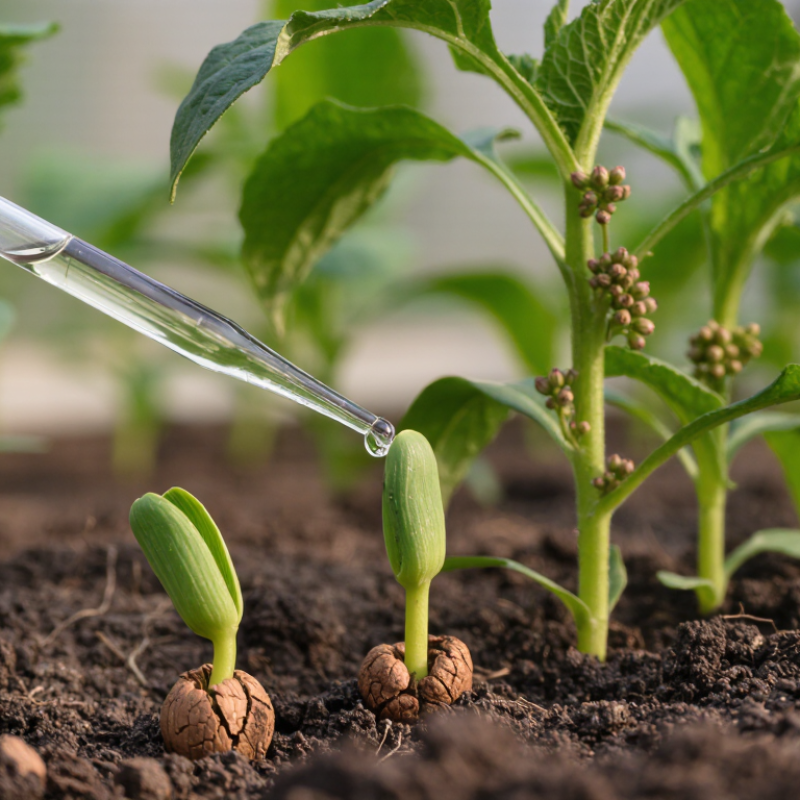
Gibberellic acid is a naturally occurring plant hormone that regulates growth. Plants produce it in tiny amounts, but those amounts can influence stems, seeds, flowers, and fruit. Applied carefully, it encourages cell elongation and may help dormant seeds germinate. It can also stimulate bolting, flowering, or larger fruit in selected crops. The response depends on plant species, growth stage, temperature, and dosage. It is not a fertilizer. It changes growth signals.
In practical growing, a treated stem may become noticeably taller within days. Young leaves can expand faster, while some fruit develops more size or looser clusters. However, stronger growth is not always better. Excessive application may create weak stems, delayed maturity, poor fruit shape, or uneven results. I have found that timing is often harder to judge than the product itself. A plant under drought stress may respond unpredictably. Results should be assessed rather than assumed.
Tips: Use only products registered for the intended crop and follow the label precisely. Test a small number of plants before treating an entire bed. Record the concentration, weather, plant age, and visible response. Avoid spraying during intense heat or when plants are already stressed. Clean measuring tools carefully, and keep applications away from sensitive neighboring plants. Local agricultural extension guidance can provide crop-specific rates, because general advice may be too broad for reliable decisions.
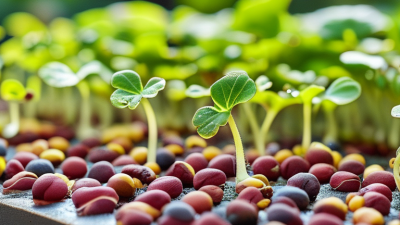
Gibberellic acid, often called GA3, is a plant hormone used to influence seed germination and stem growth. When a seed absorbs water, GA helps activate enzymes that release stored starch. The embryo then receives usable energy for early growth. In some seeds, this signal can replace part of the cold period needed to break dormancy. Small differences matter.
Moisture, temperature, seed age, and light can change the response. Under suitable conditions, treated seeds may emerge more evenly and begin growing sooner. However, GA does not repair dead, damaged, or poorly stored seed. Uneven results are common when the solution is too strong or exposure is inconsistent. A few seeds may respond quickly, while others remain dormant.
After germination, gibberellic acid promotes cell expansion and division near growing points. Stems may become longer, raising leaves above nearby plants and improving light access. Growers often notice taller shoots within days, especially in young plants. More height is not always better. Excessive elongation can produce thin stems, wide gaps between leaves, and weaker seedlings. Application should match the plant species and growth stage. Accurate measurement matters, because a small concentration change can create a large visual difference. Results also vary with nutrition and root health. The process is not perfectly predictable. Recording the dose, temperature, and growth response can reveal whether the treatment helped or merely made plants taller.
Gibberellic acid, commonly called GA3, helps regulate flowering, fruiting, and crop development. Growers apply it before bloom, during fruit set, or during early fruit expansion. Its effect depends on crop type, cultivar, temperature, nutrition, and dosage. Too much can produce weak, elongated stems. Timing matters most. Results are not always predictable.
The commercial value is significant. FAO’s 2024 Statistical Yearbook reports global fruit production above 900 million tonnes in recent reporting years. USDA NASS fruit reports also show strong yearly differences in yield and quality across crops. GA3 can lengthen grape clusters, increase berry size, and support more uniform fruit development in selected conditions. These benefits remain crop-specific. They are not guaranteed.
Flowering responses require special care. GA3 may encourage bolting in some vegetables, while altering flower initiation in other species. In grapes, pre-bloom applications can loosen clusters and reduce crowding. Later treatments may enlarge berries. Excessive use can delay maturity, reduce firmness, or weaken stems. Field records should track cultivar, weather, concentration, and harvest quality. I would test a small block first. That caution is easy to ignore.
Sources: FAO Statistical Yearbook 2024; USDA National Agricultural Statistics Service, Noncitrus Fruits and Nuts Summary 2024.
Representative gibberellic acid (GA3) concentration ranges commonly reported for horticultural applications. Actual rates vary by crop, cultivar, growth stage, and product label.
GA3 can stimulate stem elongation, help break seed dormancy, regulate flowering, and support fruit development. Higher concentrations are often used for seed-treatment research, while fruit applications generally use lower concentrations to reduce the risk of excessive vegetative growth.
Gibberellic acid is widely used to manage plant growth, fruit size, and crop timing. FAOSTAT data show global fruit production exceeded 900 million tonnes in 2022, increasing pressure to produce uniform, marketable harvests. In seedless table grapes, growers apply carefully timed treatments to stretch flower clusters, reduce berry crowding, and increase berry size. Some programs also delay ripening, helping extend harvest windows. The result can be visible: longer clusters and larger berries.
It is not a simple growth booster. In cherries, citrus, and other fruit crops, gibberellic acid may delay aging, improve firmness, or influence flowering. In seed production, it can stimulate germination when seeds remain dormant. Research published through peer-reviewed horticultural journals supports these uses, but responses vary by cultivar, weather, crop load, and application timing. The USDA Agricultural Marketing Service emphasizes quality factors such as size, color, firmness, and maturity in fresh produce grading. Gibberellic acid can affect all four.
Timing matters greatly. Too much may produce weak shoots, loose fruit, delayed color, or uneven maturity. That matters. Growers should follow locally approved labels, calibrated rates, and preharvest intervals. Field records are essential, yet even experienced growers sometimes need to adjust programs after unexpected heat or rain. Gibberellic acid supports precision, not guesswork.
Gibberellic acid is a plant growth regulator that can encourage stem elongation, seed germination, and fruit development. Growers often apply it as a fine foliar spray during active growth. Seed soaking may improve germination in some dormant seeds. A small brush application can also target individual flowers or fruit clusters. The method matters. Uneven coverage can produce uneven growth.
Dosage depends on plant species, growth stage, tissue sensitivity, and the desired result. A concentration suitable for grapes may harm young vegetables. Temperature, sunlight, water stress, and plant nutrition also influence the response. Use the lowest effective rate listed on a legally registered product label. Measure accurately, and test a small group before treating an entire crop. A single number rarely works. That assumption often fails.
Excessive application may create thin, weak stems that need support. It can delay flowering, reduce root development, or produce unusually loose growth. Fruit may become larger but less balanced in texture or flavor. Some plants show leaf distortion or pale, stretched shoots. Results can also vary between greenhouse and outdoor conditions. Keep records of the rate, timing, weather, and plant response. Without those notes, correcting the next treatment becomes guesswork.
| Cookie | Duration | Description |
|---|---|---|
| _wpfuuid | 11 years | This cookie is used by the WPForms WordPress plugin. The cookie is used to allows the paid version of the plugin to connect entries by the same user and is used for some additional features like the Form Abandonment addon. |
| cookielawinfo-checkbox-analytics | 11 months | This cookie is set by GDPR Cookie Consent plugin. The cookie is used to store the user consent for the cookies in the category "Analytics". |
| cookielawinfo-checkbox-functional | 11 months | The cookie is set by GDPR cookie consent to record the user consent for the cookies in the category "Functional". |
| cookielawinfo-checkbox-necessary | 11 months | This cookie is set by GDPR Cookie Consent plugin. The cookies is used to store the user consent for the cookies in the category "Necessary". |
| cookielawinfo-checkbox-others | 11 months | This cookie is set by GDPR Cookie Consent plugin. The cookie is used to store the user consent for the cookies in the category "Other. |
| cookielawinfo-checkbox-performance | 11 months | This cookie is set by GDPR Cookie Consent plugin. The cookie is used to store the user consent for the cookies in the category "Performance". |
| viewed_cookie_policy | 11 months | The cookie is set by the GDPR Cookie Consent plugin and is used to store whether or not user has consented to the use of cookies. It does not store any personal data. |
| Cookie | Duration | Description |
|---|---|---|
| CONSENT | 2 years | YouTube sets this cookie via embedded youtube-videos and registers anonymous statistical data. |
| vuid | 2 years | Vimeo installs this cookie to collect tracking information by setting a unique ID to embed videos to the website. |