How to Use Gibberellic Acid in 2026?
How to Use Gibberellic Acid in 2026?
Gibberellic acid remains an important plant growth regulator for growers seeking stronger, more uniform crop development. Its effects can include stem elongation, improved fruit sizing, seed germination, and delayed aging in selected crops. However, successful gibberellic acid uses depend on crop variety, application timing, concentration, temperature, and plant health.
Small differences matter.
A misted flower cluster, a measured solution, and a warm afternoon can produce very different results. Overapplication may create weak stems, excessive height, poor flowering, or uneven fruit development. Underapplication may show almost no visible response. These outcomes remind growers that growth regulators are tools, not shortcuts.
Plant hormone researcher Patrick J. Davies has stated, “Gibberellins are involved in many aspects of plant growth and development.” This principle remains useful in 2026, because gibberellic acid does not act independently. Water availability, nutrition, light exposure, and crop stress can change the final response.
This guide explains practical gibberellic acid uses across common production situations. It considers foliar sprays, soaking methods, dilution decisions, and application records. It also separates established practices from assumptions that deserve closer testing. Results can vary.
Reliable use begins with the product label and local agricultural guidance. Growers should confirm crop approval, protective equipment requirements, harvest intervals, and environmental precautions before treatment. A simple field notebook can improve decisions: record the crop stage, weather, dilution rate, treated area, and visible response.
The best method is careful observation.
Gibberellic acid can support precise crop management, but only when applied thoughtfully.
What Gibberellic Acid Is and How It Affects Plant Growth
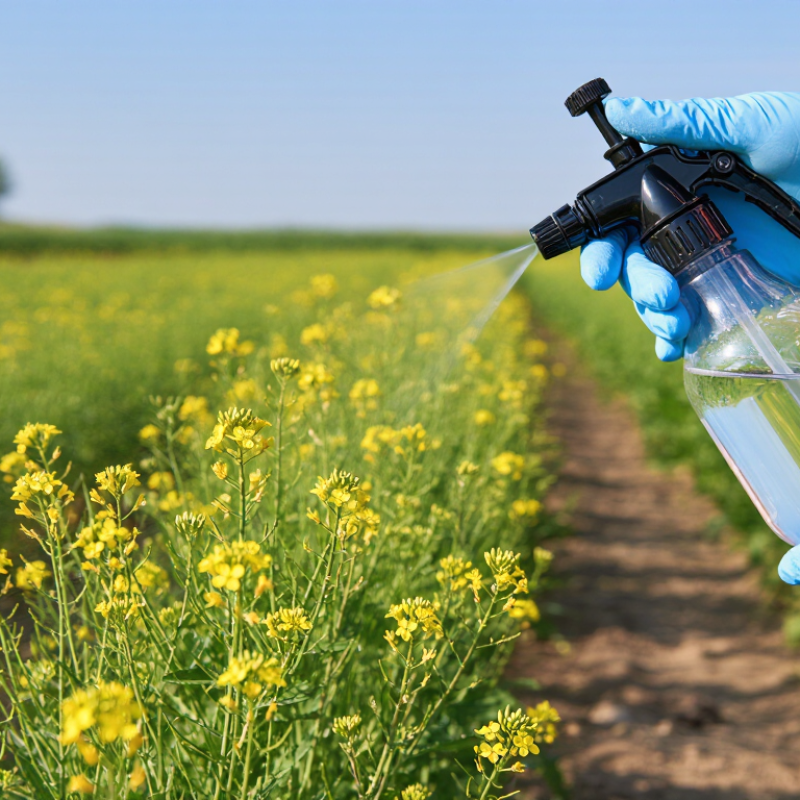
Gibberellic acid, often called GA3, is a naturally occurring plant hormone. Plants produce it in small amounts during active growth. When applied externally, it changes growth signals rather than feeding the plant. It can stimulate cell division and cell elongation. Stems may become taller, leaves may expand, and flowering or seed germination may change. In some crops, GA can support fruit enlargement or reduce unwanted dormancy. Small dose, visible change.
Its response depends on plant species, growth stage, temperature, moisture, and concentration. A treatment before flowering may produce a different result than one applied after fruit set. Too much GA can create weak stems, delayed maturity, loose growth, or poor fruit color. Some plants respond quickly, while others show little change. The plant still decides. This is why general recipes can be misleading. A method that works in a warm greenhouse may fail outdoors during cool weather.
For practical use in 2026, growers should check current, locally approved directions before mixing or spraying. Start with a small group of plants and record the rate, date, weather, and visible response. Use accurate measuring tools and avoid treating drought-stressed plants. Protective clothing and careful handling remain sensible precautions. Reliable guidance should come from agricultural extension services, peer-reviewed studies, and approved labels. I would not treat one successful trial as proof. One season can mislead, especially when sunlight and irrigation change.
How to Select the Right Concentration and Application Method
How to Use Gibberellic Acid in 2026?
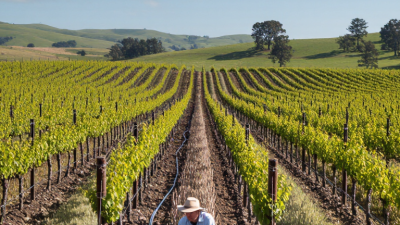
Selecting concentration matters more than applying more product. Gibberellic acid can stretch shoots, loosen grape clusters, enlarge berries, or delay maturity. The correct rate depends on crop, variety, growth stage, temperature, and spray coverage. UC Agriculture and Natural Resources guidance commonly lists approximately 10–20 ppm around grape bloom and 20–40 ppm during berry sizing. These figures are field references, not universal instructions. Always follow the approved local label.
Application method changes the result. A targeted cluster spray usually gives more predictable sizing than spraying the entire canopy. Use clean water and measure the solution carefully. For example, 10 ppm requires 10 milligrams of active ingredient per liter of final spray volume. Poor mixing can create uneven growth, especially on hot afternoons. The International Organization for Standardization emphasizes calibrated equipment and repeatable application records in agricultural quality systems. My practical mistake was assuming stronger concentration meant faster results. It produced uneven fruit and delayed maturity.
Tips: Start with a small test row. Record concentration, crop stage, weather, and visible response. Avoid spraying stressed plants. Apply during mild, dry conditions, and check the label for harvest intervals and protective equipment. Extension trials repeatedly show that timing often influences quality more than concentration alone. Inspect treated tissue after 48–72 hours, but remain cautious. Weather can hide the real cause of poor performance.
How to Use Gibberellic Acid in 2026? - How to Select the Right Concentration and Application Method
| Crop or Use |
Typical Objective |
Common Reference Range* |
Preferred Application Method |
Usual Timing |
Important Considerations |
| Table grapes |
Extend rachis length, reduce berry set, or increase berry size |
Approximately 1–20 ppm for bloom or cluster treatments; approximately 10–40 ppm for berry sizing, depending on cultivar and target |
Directed cluster dip or precise cluster spray |
Pre-bloom, bloom, or shortly after fruit set |
Cultivar response is highly variable. Excessive rates may cause loose clusters, delayed maturity, or reduced fruit color. |
| Seedless citrus |
Delay peel aging and maintain fruit appearance |
Approximately 10–20 ppm in documented orchard-use programs |
Uniform dilute foliar or fruit-directed spray |
Near color break or during the preharvest period specified for the crop |
Apply only when fruit are adequately irrigated. Late or high-rate applications can delay color development and maturity. |
| Apples |
Support fruit set in selected situations or influence fruit shape |
Often approximately 1–20 ppm, but the permitted rate and purpose depend strongly on cultivar and local labeling |
Carefully calibrated whole-tree spray |
Bloom or post-bloom stages, according to the production objective |
Do not treat the range as a universal recommendation; fruit thinning, russeting, firmness, and return bloom can be affected. |
| Strawberries |
Increase petiole elongation or influence flowering and fruit development in specific systems |
Approximately 5–20 ppm in research and production programs; use is variety- and timing-sensitive |
Targeted foliar spray |
Before flowering or during early reproductive development |
Over-application may produce excessive vegetative growth, misshapen fruit, or reduced yield. |
| Rice |
Promote elongation or improve panicle emergence in selected production systems |
Approximately 10–20 ppm in some agronomic programs |
Uniform foliar application |
Booting to heading, depending on the production objective |
Excessive stem elongation can increase lodging risk. Water and nitrogen management strongly influence the response. |
| Ornamental plants |
Increase stem elongation or overcome dormancy in selected plants |
Approximately 5–50 ppm for many experimental or greenhouse uses |
Spot spray, foliar spray, or carefully measured substrate drench |
During active growth or at the crop-specific dormancy-breaking stage |
Test a small group first. Light, temperature, nutrition, and plant age can substantially change the result. |
| Seed germination research |
Stimulate germination in seeds with physiological dormancy |
Approximately 100–500 ppm in laboratory protocols; species-specific optimization is essential |
Seed soaking or controlled application to the germination medium |
Before sowing or during a laboratory germination treatment |
These concentrations are commonly research-oriented and should not be transferred directly to field crops without validation. |
*Reference note: ppm means milligrams of gibberellic acid active ingredient per liter of final spray solution when the solution density is close to that of water. The ranges above are general technical reference ranges, not universal prescriptions. Always follow the current legal product label, crop registration, preharvest interval, personal-protection requirements, and local agricultural guidance. Conduct a small compatibility and crop-safety test before treating a full planting.
How to Prepare a Gibberellic Acid Solution Safely
When using gibberellic acid in 2026, safe preparation should begin with the product label and current safety data sheet. These documents define approved crops, concentrations, protective equipment, and disposal requirements. Do not rely on an old recipe. Formulations can differ.
Wear chemical-resistant gloves, protective eyewear, long sleeves, and closed footwear. Work in a clean, well-ventilated area away from food, children, and animals. Use a dedicated scale and measuring container. Measure twice. A small weighing error can greatly change the final concentration, especially in a small batch. Avoid inhaling powder, and never eat, drink, or smoke while handling it.
Gibberellic acid may not dissolve easily in plain water. Follow the label’s approved mixing method and use only a compatible solvent when specifically permitted. Add the measured material gradually, mix gently, then add water until the exact final volume is reached. Do not guess by filling a container “almost” to the mark. Label the solution with its concentration, preparation date, and intended crop. Keep it secured and use it within the stated storage period. I would also test a small area first, because plant variety, temperature, and growth stage can change the response. Mixing it with other products without clear label permission is an avoidable risk.
When and Where to Apply Gibberellic Acid in 2026
How to Use Gibberellic Acid in 2026?
When and where you apply gibberellic acid matters more than using a stronger solution. In table grapes, growers commonly target bloom and early fruit set. A light cluster spray can loosen berries, improve airflow, and reduce compact bunches. Later applications may enlarge berries, but excessive rates can delay color and soften fruit. University of California extension trials commonly report effective grape concentrations between 10 and 40 ppm, depending on cultivar and growth stage. Follow the product label and local registration rules.
Apply only to healthy, actively growing tissue. Avoid drought-stressed leaves, open wounds, and wet flowers after heavy rain. In citrus, directed canopy sprays are often timed before flowering or during fruit development, while orchard trials frequently use low concentrations near 10–20 ppm. The 2024 FAOSTAT production database shows fruit and vegetable production remains above 2 billion tonnes globally, increasing pressure for precise, low-waste applications. USDA agricultural chemical surveys also emphasize rate, timing, and application method as key exposure controls. Measure carefully. More is not better. Field notes should record temperature, cultivar, spray volume, and seven-day weather conditions. I would still test a small block first, because cultivar responses can be uneven, and published rates may not fit every orchard.
How to Monitor Results and Prevent Common Application Problems
How to Use Gibberellic Acid in 2026?
Monitor results from the day of application. Mark treated plants and untreated controls in the same field. Record the crop stage, rate, water volume, temperature, and weather forecast. Take photographs from the same distance every two or three days. Measure stem length, leaf spacing, fruit size, and flowering dates. Numbers reveal changes that appearance can hide.
Apply only at the crop stage and rate permitted by the current local label. Use a calibrated sprayer and check nozzle output before mixing. Coverage should be even, not dripping. Avoid windy conditions, heavy rain, and extreme heat. Rain soon after treatment may reduce performance, while heat can intensify unwanted growth. Wear the protective equipment required by the label. Keep spray records with date, field, operator, and observations.
Common problems often begin with assumptions. A taller plant is not always a healthier plant. Excessive elongation may create weak stems and poor fruit quality. Uneven results can come from blocked nozzles, poor agitation, or different plant ages. Do not increase the rate after a disappointing early response. Wait for the crop’s expected response period and compare control plants. I would also inspect a small test area before treating the whole field. That step takes time, but it can expose a mistake before the damage spreads. If symptoms appear, pause further applications and consult a qualified crop adviser.