7 Best Gibberellic Acid Suppliers in South Africa?
Choosing a reliable gibberellic acid south africa supplier requires more than comparing prices. Product quality can influence fruit size, flowering, stem elongation, and harvest timing. It can also affect crop consistency.
This guide examines seven suppliers serving South African growers, distributors, and agricultural professionals. Each supplier should be assessed through practical evidence. Look for clear active-ingredient percentages, batch numbers, certificates of analysis, safety data sheets, and traceable manufacturing details. Packaging matters too. A sealed container, readable label, and stable storage instructions can reveal more than a polished website.
Professor Peter Hedden, a respected gibberellin researcher, explains the core principle simply: “Gibberellins regulate plant growth and development.” The response is never identical across every crop. Cultivar, temperature, water availability, application timing, and dosage can change the result. That is where inexperienced buying becomes costly. Sometimes, the cheapest product creates the most expensive mistake.
The suppliers discussed here are not presented as automatically perfect. Availability can change. Documentation may require checking. Local technical support may also differ between provinces and crops. Growers should confirm current registration requirements and follow approved label directions before use. Small trials are sensible before wider application. A careful supplier should welcome those questions, not avoid them.
This comparison focuses on credibility, formulation transparency, technical assistance, delivery reliability, and suitability for South African agricultural conditions.
What Is Gibberellic Acid and How Is It Used in South Africa?
Gibberellic acid is a plant growth regulator used to influence growth, flowering, fruit development, and seed germination. In South Africa, growers commonly consider it for table grapes, citrus, berries, vegetables, and selected ornamental crops. Its effect depends on crop variety, timing, concentration, temperature, and water availability. It is not a universal growth booster.
Timing matters greatly.
For example, grape growers may apply it during specific flowering or berry development stages. The aim can include improved berry size or a looser bunch structure. In other crops, carefully planned applications may help break dormancy or support more even growth. However, excessive use can create weak stems, delayed maturity, poor fruit quality, or uneven results. The difficult part is that the same rate may perform differently across farms.
A dependable South African supplier should provide a clear product label, safety data sheet, batch information, and practical application guidance. Buyers should also confirm that the product is legally registered for the intended agricultural use. Proper measuring equipment, clean spray tanks, protective clothing, and accurate calibration reduce avoidable mistakes. Local soil, rainfall, irrigation, and temperature records should guide decisions. Small test plots are sensible before wider treatment. Results should be recorded, not assumed. Even experienced growers can misjudge timing after an unusual heatwave or late rain. Professional advice from an agricultural specialist can help match the product to the crop and production goal.
Key Factors for Evaluating Gibberellic Acid Suppliers
When comparing seven gibberellic acid suppliers in South Africa, verify registration before discussing price. Ask for the product label, safety data sheet, batch number, and certificate of analysis. The certificate should state active concentration, impurities, testing method, and production date. A vague “technical grade” description is not enough. South Africa’s Department of Agriculture requires regulated agricultural products to meet registration and labeling rules. Confirm the supplier’s current compliance directly with official records.
Performance depends on more than concentration. Request stability data for hot warehouses, transport records, and storage instructions. A sealed 100-gram bottle should arrive with intact packaging, readable dates, and no unexpected crystals. Check whether the supplier can provide independent laboratory results, not only internal claims. The 2023 World Bank Logistics Performance Index gives South Africa a logistics score of 3.4 out of 5, showing that delivery planning still deserves attention. Compare lead times, temperature controls, replacement policies, and customs documentation. FAO’s 2023 Statistical Yearbook also highlights agriculture’s exposure to climate and production variability, so dependable supply matters during narrow treatment windows.
Speak with growers who used the same formulation on similar crops. Ask about dilution accuracy, crop response, and residue concerns. Trial results can be inconsistent. I would keep that uncertainty visible. A low price may hide weak testing, short shelf life, or poor technical support. Suppliers offering agronomist guidance, traceable batches, and clear complaint procedures deserve closer evaluation.
References: Department of Agriculture, South Africa; World Bank, Logistics Performance Index 2023; FAO, Statistical Yearbook 2023.
Seven Notable Gibberellic Acid Suppliers in South Africa
South Africa’s seven notable gibberellic acid supplier types serve different growing needs. Licensed crop-protection distributors support commercial farms and provide label guidance. Horticultural wholesalers often stock smaller packs for nurseries and vegetable growers. Agricultural cooperatives can offer practical advice based on local conditions. Vineyard-input suppliers understand timing for grapes and other fruit crops. Greenhouse specialists may recommend compatible application tools. Laboratory chemical suppliers can help research facilities source documented grades. Importers and regional agrochemical dealers may provide broader pack sizes and technical documents.
A reliable supplier should provide a clear product label, batch number, safety data sheet, and certificate of analysis. Ask whether the product is registered for its intended agricultural use in South Africa. Storage matters too. Heat and moisture can reduce product quality before application. Experienced growers usually compare formulation strength, delivery conditions, and technical support, not only price. I would not treat a polished website as proof of quality. That assumption can be costly.
Tips: Confirm the concentration before mixing. Use clean measuring equipment and follow the approved label rate. Keep records of crop, weather, dosage, and response. Buy only from a traceable local source. Check packaging for damage, unclear printing, or missing dates. A small trial area is sensible, although it does not replace professional agronomic advice. Supplier recommendations may also be imperfect, so review results carefully and adjust future decisions responsibly.
7 Best Gibberellic Acid Suppliers in South Africa? – Seven Notable Gibberellic Acid Suppliers in South Africa
This chart compares commonly reported gibberellic acid (GA3) application concentration ranges for selected crops. The values are general agricultural-use ranges in parts per million (ppm); actual rates depend on crop variety, growth stage, climate, formulation, and local product-label instructions.
Product Quality, Formulations, Packaging, and Regulatory Standards
Choosing among the 7 best gibberellic acid suppliers in South Africa requires more than comparing prices. Product quality should lead the assessment. Ask for a recent certificate of analysis showing active-ingredient concentration, impurity limits, batch number, and expiry date. Reliable suppliers should also provide safety data sheets and clear application instructions. Independent laboratory testing can confirm the declared strength when crop value is high. Small differences matter.
Formulation affects field performance. Soluble powders should dissolve evenly, without heavy sediment or persistent clumps. Liquid formulations need stable pH and consistent concentration after storage. Check whether the product suits local water quality and the intended crop. A technically strong supplier should explain compatibility, mixing limits, storage temperatures, and resistance to sunlight. Experience shows that vague dosage advice often creates avoidable crop problems.
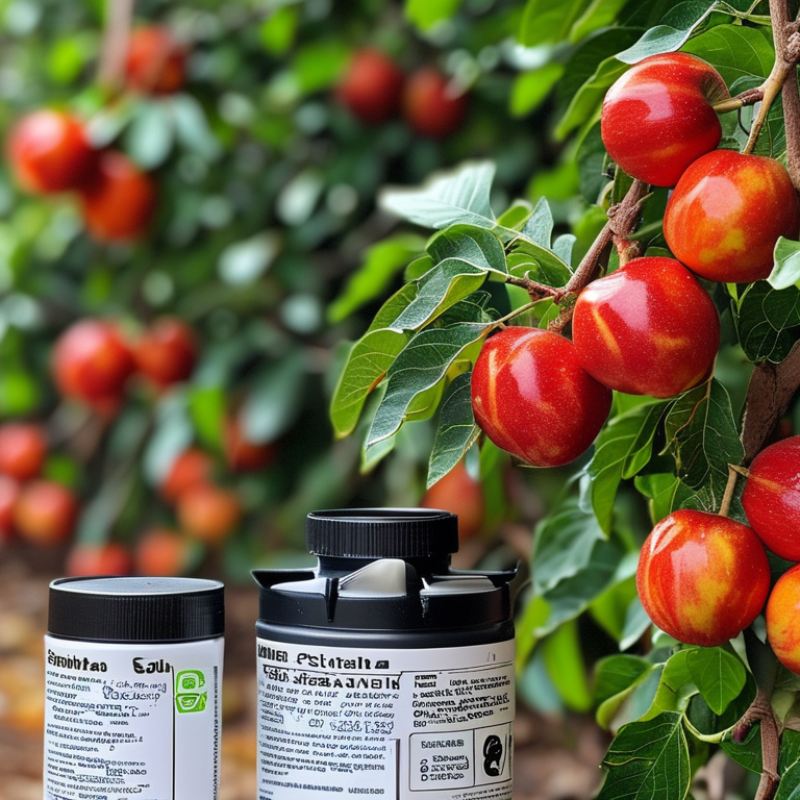
Packaging deserves equal attention. Sealed, light-resistant containers with readable labels help protect product integrity during transport and farm storage. Damaged caps, faded labels, or missing batch details are warning signs. Regulatory compliance is essential. Suppliers should demonstrate the required South African registration for agricultural remedies and maintain accurate labels, safety information, and traceability records. Registration alone does not guarantee practical quality. Buyers should inspect delivery records, complaint handling, and technical support. Some suppliers may appear professional online, yet provide weak documentation. That gap deserves careful questioning.
How to Select the Right Supplier for Your Agricultural Needs
7 Best Gibberellic Acid Suppliers in South Africa?
How to Select the Right Supplier for Your Agricultural Needs
The seven best suppliers are not always the cheapest. Reliability matters more than a polished catalogue. South Africa’s agricultural sector contributed about 2.5% of national GDP in 2023, according to World Bank indicators. Crop timing, therefore, deserves careful supplier screening. A delayed delivery can affect flowering, fruit sizing, and export quality.
Check the product registration status under South Africa’s Agricultural Remedies Act 36 of 1947. Ask for a current certificate of analysis, batch number, manufacturing date, and stated gibberellic acid concentration. The FAO/WHO Manual on Pesticide Specifications supports identity, purity, and impurity testing, so vague laboratory claims should raise concern. Prefer suppliers using laboratories accredited to ISO/IEC 17025. Request verification for every batch, not only one sample.
Delivery conditions also matter. Gibberellic acid should arrive in sealed, clearly labelled packaging, away from heat and moisture. Ask whether the supplier provides compatible dilution guidance and crop-specific application information. I would compare seven suppliers using a simple scorecard: registration, test documentation, technical support, lead time, storage, complaint handling, and total cost. Price can win the spreadsheet. It can also hide risk. A small trial on a limited block is sensible, although it may delay a decision and expose weak field performance. That trade-off deserves honest attention.