China Top Gibberellic Acid for Plant Growth Effects
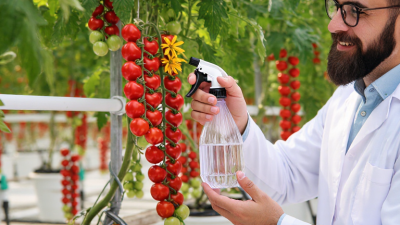
Gibberellic acid is a plant growth regulator used to influence processes such as seed germination, stem elongation, flowering, and fruit development. Its effects depend on the crop, growth stage, dose, and application method. In practical terms, a treated plant may develop longer shoots or more uniform fruit, but those changes are not guaranteed. Results vary.
Understanding the gibberellic acid effect on plant growth means looking beyond a product label. Growers should consider crop-specific guidance, formulation, concentration, and timing, then compare treated plants with untreated ones under similar conditions. A small dose difference can matter. Excessive or poorly timed use may produce unwanted stretching or uneven development, so careful measurement and local agricultural advice are important.
When evaluating leading products from China, buyers should assess transparent specifications, batch consistency, safety information, and reliable technical support rather than relying on “top” claims alone. Reputable suppliers should provide clear product documentation and explain appropriate handling and use. These details help growers make informed comparisons, though documents cannot replace independent testing or field experience. Even experienced growers can misread a response when weather, water, or plant health changes at the same time. That uncertainty is worth acknowledging. A measured trial, accurate records, and realistic expectations offer a more dependable basis for judging performance than promises of rapid growth.
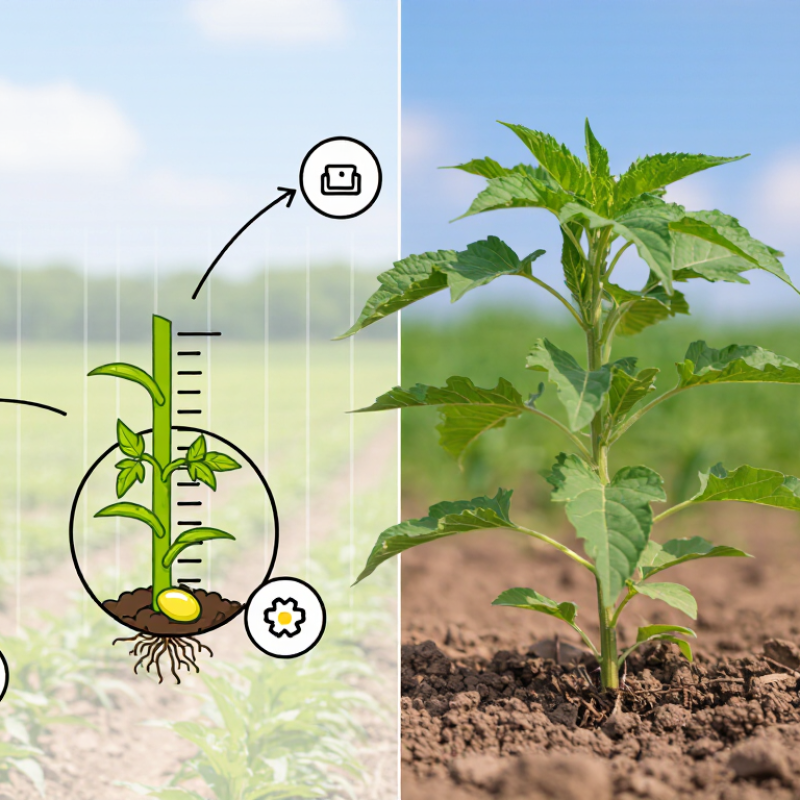
What Gibberellic Acid Is and How It Works
Gibberellic acid is a plant hormone, not a fertilizer. It helps coordinate stem elongation, seed germination, flowering, and fruit development. A specialist review by Hedden and Thomas in Annual Plant Reviews (2012) reports that more than 130 gibberellins have been identified, although only a few are strongly biologically active. Gibberellic acid, or GA3, is one commonly used form. In practice, a grower may notice its effect as longer internodes or more even fruit sizing. Small changes matter.
At the cellular level, GA binds to the GID1 receptor. This interaction helps trigger the breakdown of DELLA proteins, which normally restrain growth. With that restraint reduced, growth-related genes can become active. A 2012 review in The Plant Cell describes this receptor and DELLA pathway as central to gibberellin signaling. The response is not automatic, though. Plant species, developmental stage, temperature, and application rate all influence the result. A young plant may stretch quickly, while another shows little visible change. That variability is easy to underestimate. Gibberellic acid supports growth; it does not replace light, water, or sound crop management.
Effects of Gibberellic Acid on Plant Growth
China Top Gibberellic Acid for Plant Growth Effects
Effects of Gibberellic Acid on Plant Growth
Gibberellic acid is a plant hormone that influences stem growth, seed germination, flowering, and fruit development. In some plants, it can help dormant seeds begin growing when moisture and temperature are suitable. Growers may also use it to encourage longer stems or larger fruit, depending on the crop and application timing. The results vary.
A visible response may appear as faster growth between leaf joints. But more growth is not always better: excessive stem elongation can leave plants weak or prone to bending. Species, growth stage, dose, and growing conditions all affect the outcome. The response is not perfectly predictable, even in similar plants. That deserves attention.
Tips: Test on a small number of plants before treating a whole crop. Small doses matter. Follow the product label, use clean measuring tools, and record the application date and plant response. Avoid treating stressed plants, and reassess after several days. If growth becomes unusually tall or soft, do not assume more treatment will solve the problem.
Effects of Gibberellic Acid on Plant Growth
Established growth-related roles of gibberellic acid (GA₃)
Each bar represents a documented role, not the size of a measured growth response. GA₃ can promote stem elongation and seed germination; effects on flowering and fruit growth depend on species and growing conditions.
Common Agricultural Uses and Application Methods
China Top Gibberellic Acid for Plant Growth Effects
Common Agricultural Uses and Application Methods
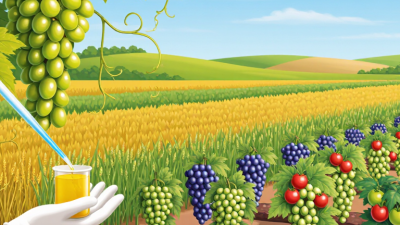
Gibberellic acid is used to influence fruit size, flowering, and seed germination, but its response depends on crop, cultivar, and timing. In seedless table grapes, growers may apply it to flower clusters for thinning or to young berries for sizing. UC Agriculture and Natural Resources’ table-grape guidance gives about 20–40 ppm for certain berry-sizing applications, with timing linked to berry development. This is a crop-specific reference, not a universal recipe.
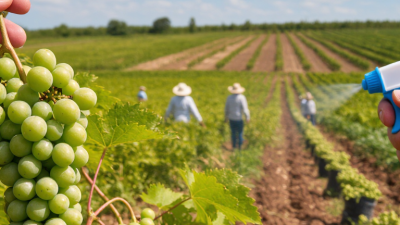
Application methods include directed sprays on flower clusters, foliar sprays, and seed soaks where crop guidance permits. Use calibrated equipment and enough water for even coverage; droplets should coat the target without running off. Oregon State University Extension materials on seed production describe gibberellins as one tool for addressing dormancy, though seed response varies by species. Check the crop label and local extension recommendations before mixing. Small differences matter.
Field results can disappoint. Heat, rain, poor coverage, or late timing may weaken the response, and excessive treatment can produce unwanted growth or uneven fruit. A practical approach is to test a small block, record concentration and application date, then compare treated and untreated plants. The details are easy to overlook. The numbers are not interchangeable.
China Top Gibberellic Acid for Plant Growth Effects - Common Agricultural Uses and Application Methods
| Crop or Use |
Common Purpose |
Typical Application Timing |
Application Method |
Expected Effect and Key Considerations |
| Seedless grapes |
Cluster elongation and increased berry size |
Cluster elongation is generally targeted before bloom; berry sizing is generally targeted after fruit set. Exact timing depends on cultivar and production goals. |
Directed spray to clusters or cluster dipping, where permitted by the product label. |
Can promote cell elongation and larger berries. Responses vary by cultivar, crop load, weather, and timing; excessive or poorly timed treatment may reduce fruit quality or affect return bloom. |
| Citrus |
Delay rind degreening and reduce rind senescence in certain production and market situations |
Often applied as fruit approaches maturity or color break, according to local recommendations and the registered label. |
Foliar or fruit-directed spray with thorough, even coverage. |
May help maintain a greener rind and improve fruit holding under suitable conditions. It does not stop internal fruit maturity, so harvest decisions should consider fruit quality as well as peel color. |
| Seeds with species-specific dormancy or slow germination |
Support germination by promoting embryo growth and related germination processes |
Before sowing, with treatment selected for the crop species and seed lot. |
Seed soaking or another labeled seed-treatment method; sow promptly if the treatment protocol requires it. |
Can improve germination in some responsive seeds, but results are not universal. Untreated and treated samples should be compared when practical, and seed-treatment instructions should be followed carefully. |
| Biennial vegetable seed crops |
Promote stem elongation (bolting) and flowering for seed production in responsive crops |
During the vegetative-to-reproductive transition, at the crop stage specified by local guidance. |
Foliar application or another locally approved method, with uniform coverage. |
May help induce reproductive growth in some biennial crops. This effect can be undesirable in crops grown for leafy or root harvest, where bolting may reduce marketability. |
Application note: Gibberellic acid (GA₃) response depends on crop, cultivar, growth stage, climate, and formulation. There is no single suitable rate for all crops. Use only products registered for the intended crop and purpose, and follow the local label for dose, timing, protective equipment, and pre-harvest interval.
Factors That Influence Treatment Results
China Top Gibberellic Acid for Plant Growth Effects
Factors That Influence Treatment Results
Gibberellic acid can influence stem extension, flowering, or fruit development, but results depend on the crop and treatment conditions. Cultivar matters: two varieties in the same greenhouse may respond differently. Plant stage matters too. Applying it to actively growing tissue can produce a different response than treating a mature plant. Small differences matter.
Temperature, light, water availability, and plant nutrition can all shape the outcome. Heat or drought may stress plants and make responses less predictable. Spray coverage also counts; leaves hidden beneath a dense canopy may receive less solution. Use only directions suited to the specific crop and product, rather than borrowing a rate from another crop.
Tips: Test a small area first. Keep untreated plants nearby for comparison. Record the date, crop stage, weather, and observed changes. Wait long enough to assess the response, and avoid changing several conditions at once. It is easy to mistake normal growth for a treatment effect, especially when plants are developing quickly.
Leading Gibberellic Acid Products in China
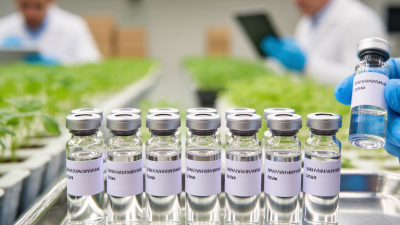
China’s leading gibberellic acid products are available in several formulations, including soluble powders, tablets, and liquid concentrates. The best fit depends on crop, growth stage, equipment, and the product’s stated concentration. Check the active ingredient, batch details, solubility, and clear use instructions before comparing prices.
A low price alone tells little.
Gibberellic acid can encourage stem elongation, support fruit development, or help break dormancy in suitable crops. Effects vary with variety, weather, timing, and dose.
More is not better.
Overuse may produce unwanted growth or affect fruit quality. A small field trial can reveal more than a broad sales claim. Compare treated plants with untreated ones, and record application timing, weather, and visible changes. Follow the product label and applicable local requirements.
One limitation is easy to miss: results from one crop or season may not transfer neatly to another.
The ranking is not simple.