site_4bbb466c-cafd-4edb-8869-71ed8e60d33a
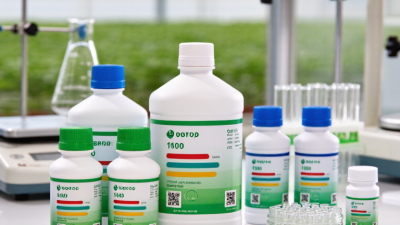
Excellence in PGR technology
South Africa’s fruit industry depends on careful crop management, consistent quality, and reliable agricultural inputs. Gibberellic acid is one tool growers may consider for influencing fruit development, size, or maturity, depending on the crop and application. The practical question is not simply which product is available. It is whether a supplier can provide clear technical information, dependable batch documentation, and guidance suited to local growing conditions.
Industry sources help frame that question. The FAO’s FAOSTAT database provides crop-production data, while the USDA Foreign Agricultural Service’s South Africa Citrus Annual reports on citrus production and export conditions. These sources describe the agricultural context; they do not independently verify individual gibberellic acid products or suppliers. That distinction matters. A large export sector does not automatically mean every input is appropriate for every orchard.
This 2026 guide to gibberellic acid south africa examines suppliers through practical criteria: product specifications, documentation, technical support, packaging options, and supply reliability. Buyers should confirm that product information matches their intended crop and use, and request current documentation before ordering. Details count. A label, safety data sheet, and responsive technical contact can be more useful than a polished catalogue. Supplier information can also change during the year, so this overview should be treated as a starting point, not a final endorsement. Verification is still necessary.
Gibberellic acid is a plant growth regulator related to hormones that plants produce naturally. It influences processes such as stem growth, seed germination, flowering, and fruit development. Its effect depends on the crop, growth stage, weather, and application method. It is not a general-purpose growth booster.
In South African agriculture, growers may consider it for specific crop-management goals, including improving berry development in table grapes. A response seen in one cultivar or season may not appear in another. Timing matters. Heat, water stress, and uneven plant growth can complicate results, so field observations should be interpreted carefully. Not every crop responds.
Good decisions begin with the crop’s needs and the product’s approved directions. Growers should check formulation, concentration, storage conditions, and supplier documentation, then seek advice from a qualified local agronomist when unsure. Small, monitored evaluations can help identify effects before wider use, although they cannot remove every source of variation. The science is useful, but field conditions are rarely tidy.
Gibberellic acid is a plant hormone used in agriculture to regulate processes such as stem elongation, seed germination, flowering, and fruit development. The chart compares the molar masses of three gibberellins; it does not rank suppliers or products. Crop response depends on the gibberellin form, crop, application timing, and dose. Check current South African registration and product-label instructions before use.
Choosing a gibberellic acid supplier involves more than comparing prices. Ask for a current certificate of analysis that identifies the batch, concentration, and relevant quality tests. Check that the product label matches the formulation you need, since powders and liquids can require different handling.
Details matter.
Clear storage instructions are useful, especially when deliveries may face warm conditions or long transit times. Review packaging for intact seals and legible batch information on arrival.
Reliable suppliers can explain product specifications without promising unrealistic crop results. Ask whether technical staff can discuss application timing, dilution, and crop suitability, then confirm advice with a qualified local agronomist. South African growing conditions vary widely, so guidance for one region or crop may not fit another. Check lead times, minimum order quantities, and how the supplier handles damaged or delayed shipments. Also verify that the product and its intended use meet applicable South African requirements before purchasing. A polished brochure is not proof of consistency; compare documents and ask specific questions. No supplier is perfect, and a vague answer may deserve a follow-up before you commit.
Leading Gibberellic Acid Suppliers in South Africa in 2026
South Africa’s leading gibberellic acid suppliers serve fruit growers, nurseries, and commercial crop operations. Buyers should look beyond price. Check whether a supplier provides a current product label, batch traceability, a certificate of analysis, and clear storage guidance. These details matter when products travel through warm depots or sit between planting seasons. Consistency matters.
Demand is supported by export-focused horticulture. The USDA Foreign Agricultural Service reported South African agricultural exports of about US$13.2 billion in 2023. The Citrus Growers’ Association’s 2024 industry outlook estimated citrus exports above 200 million 15-kilogram cartons. Those figures signal the scale of quality-sensitive production, not a guarantee that every crop needs a growth regulator.
Growers should match use to crop stage and obtain advice from a qualified local agronomist. Ask suppliers for technical support, delivery lead times, and documentation confirming that products meet applicable South African requirements. A reliable supplier should explain handling plainly, including what to do if packaging arrives damaged. Small gaps in guidance can become costly.
For buyers comparing gibberellic acid suppliers in South Africa, product quality starts with a traceable batch, not a polished brochure. Request a recent certificate of analysis showing active-ingredient content, batch number, and test date. Check that the label and safety data sheet match the formulation supplied. Small details matter. A powder should arrive dry and free-flowing; liquid products should have clear storage and mixing instructions. Packaging must protect the product from moisture, heat, and light during transport and storage.
Formulation affects handling and application. Solubility, concentration, and recommended dilution should suit the intended crop and equipment. Ask for evidence supporting the stated shelf life, and compare it with the product’s manufacture date. Low price alone tells little. Regulatory checks deserve equal care: confirm that the product is registered for the intended agricultural use under applicable South African requirements, and review its approved label before purchase. Import paperwork or a supplier’s verbal assurance is not a substitute. In practice, documents can look complete while leaving a key detail unclear; ask the supplier to explain any mismatch between the label, analysis, and registration information.
2026 Top Gibberellic Acid Suppliers in South Africa
Ordering, Application Support, and Supplier Comparison Criteria
When comparing suppliers, look beyond price. Check formulation, batch-specific certificate of analysis, safety data sheet, shelf life, and delivery terms. Ask whether technical staff can discuss crop stage, application timing, water quality, and local weather conditions. Advice should match the product label and your crop; broad promises are not useful. Real fields are less tidy than trial plots.
Reliable ordering matters in a large export sector. The Citrus Growers’ Association of Southern Africa estimated 2024 citrus exports at 165.1 million 15-kg cartons. That scale makes clear communication about stock, lead times, and storage especially useful for growers planning seasonal applications. Compare suppliers on written delivery commitments, traceable batches, and how quickly they answer practical questions. A low quote can still be costly if guidance or documentation is missing.
Tip: Before ordering, send suppliers the crop, growth stage, target timing, and intended application method. Compare their answers, not just their prices. Keep records of batch numbers, weather, and application dates. One detail is easy to miss: confirm that the product’s stated use fits your crop and follow its label directions.
Use this practical comparison framework to assess suppliers serving South African buyers. It does not rank or verify individual companies; confirm current product registration, availability, and terms directly with each supplier.
| Comparison dimension | What to request or verify | Why it matters | Useful buyer question |
|---|---|---|---|
| Product identity and formulation | Confirm the active ingredient is gibberellic acid (often identified as GA₃), the stated concentration, formulation type, pack size, and product label. | Concentration and formulation affect handling, dilution, and whether the product suits the intended application. Formulations and pack sizes vary by product. | Can you provide the current label and technical information for the exact product and pack size quoted? |
| South African registration and permitted use | Check the product’s current registration status and approved uses under South Africa’s Agricultural Remedies framework (Act 36 of 1947). Match the intended crop and use to the product label. | Registration and label directions determine whether and how an agricultural remedy may be marketed and used locally. | What is the registration information, and does the label cover my crop and intended use? |
| Batch documentation and quality | Request a batch-specific Certificate of Analysis where available, batch or lot number, manufacture or expiry information, and Safety Data Sheet. | Batch records support traceability and help buyers assess product specifications, safe handling, and storage requirements. | Will the documentation supplied correspond to the batch delivered? |
| Ordering and stock confirmation | Obtain a written quotation showing pack size, quantity, price, tax treatment, stock status, lead time, quote validity, and any minimum order quantity. | Stock, order thresholds, and delivery lead times can vary by supplier and shipment; they should not be assumed from a catalogue listing. | Is the quoted quantity physically available, and what is the confirmed dispatch or delivery lead time? |
| Delivery and storage arrangements | Confirm delivery area, freight charges, packaging, transit arrangements, and the storage conditions stated on the label or product documentation. | Correct storage and suitable transport help maintain product condition. Requirements are product-specific. | How will the product be packed and transported, and what storage conditions should I follow on receipt? |
| Application support | Ask for label-based guidance on the registered crop, application timing, method, rate, dilution, and any stated restrictions. Request written clarification if directions are unclear. | Growth-regulator responses depend on the crop, growth stage, product, and application conditions. Rates and timing should follow the specific product label rather than a generic recommendation. | Can your technical team explain the label directions for my crop and growth stage without recommending an off-label use? |
| Compatibility and spray-water advice | Ask whether the label addresses tank mixing, water quality, adjuvants, or compatibility. Do not assume compatibility where the label or supplier documentation is silent. | Mixing decisions can affect application performance and product handling; compatibility is specific to the products and conditions involved. | Is the proposed tank mix supported by the label or written technical guidance? |
| Technical service and follow-up | Compare access to a qualified technical contact, response times, locally relevant crop experience, and support after delivery. | Reliable support can help buyers interpret product documents and resolve ordering or application questions. | Who handles technical questions, and what follow-up support is available after purchase? |
| Commercial terms and traceability | Review payment terms, returns or damaged-goods procedure, invoice details, delivery records, and how complaints or quality concerns are handled. | Clear written terms and traceable records make procurement and issue resolution more straightforward. | What is the process for reporting damaged packaging, a delivery discrepancy, or a batch-quality concern? |
Buyer note: No supplier names, brands, prices, stock claims, or rankings are listed because these details require current, supplier-specific verification. Follow the exact product label and applicable South African requirements; obtain professional advice where needed.
| Cookie | Duration | Description |
|---|---|---|
| _wpfuuid | 11 years | This cookie is used by the WPForms WordPress plugin. The cookie is used to allows the paid version of the plugin to connect entries by the same user and is used for some additional features like the Form Abandonment addon. |
| cookielawinfo-checkbox-analytics | 11 months | This cookie is set by GDPR Cookie Consent plugin. The cookie is used to store the user consent for the cookies in the category "Analytics". |
| cookielawinfo-checkbox-functional | 11 months | The cookie is set by GDPR cookie consent to record the user consent for the cookies in the category "Functional". |
| cookielawinfo-checkbox-necessary | 11 months | This cookie is set by GDPR Cookie Consent plugin. The cookies is used to store the user consent for the cookies in the category "Necessary". |
| cookielawinfo-checkbox-others | 11 months | This cookie is set by GDPR Cookie Consent plugin. The cookie is used to store the user consent for the cookies in the category "Other. |
| cookielawinfo-checkbox-performance | 11 months | This cookie is set by GDPR Cookie Consent plugin. The cookie is used to store the user consent for the cookies in the category "Performance". |
| viewed_cookie_policy | 11 months | The cookie is set by the GDPR Cookie Consent plugin and is used to store whether or not user has consented to the use of cookies. It does not store any personal data. |
| Cookie | Duration | Description |
|---|---|---|
| CONSENT | 2 years | YouTube sets this cookie via embedded youtube-videos and registers anonymous statistical data. |
| vuid | 2 years | Vimeo installs this cookie to collect tracking information by setting a unique ID to embed videos to the website. |